2026 Best Skincare Routine What Order to Apply Products?

Time:2026-10-18 Author:Henry
0%

A well-ordered skincare routine can make each product easier to use and evaluate. Yet many people still wonder, “what order to apply skincare products” each morning and evening. The answer usually depends on product texture, active ingredients, skin sensitivity, and personal goals. A lightweight serum generally feels different from a rich cream, while sunscreen has a clear daytime role.

This 2026 guide follows practical advice commonly used by dermatology professionals and experienced skincare educators. It explains how to layer cleansers, toners, treatments, moisturizers, and sunscreen without creating unnecessary complexity. You will also see where ingredients such as retinoids, vitamin C, exfoliating acids, and ceramides may fit. Small details matter. For example, applying moisturizer to slightly damp skin can reduce tightness, while sunscreen needs an even final layer over exposed areas.

There is no perfect routine for every face. Skin can become dry, irritated, or unexpectedly reactive. I have sometimes assumed that more products meant better results, but that approach often made evaluation harder. Less can be useful. Patch testing remains sensible, especially when introducing a strong active. A dermatologist can provide safer guidance for persistent acne, eczema, rosacea, or sudden irritation. This article focuses on clear sequencing, realistic expectations, and careful observation. Your skin may need adjustments over time, not a rigid schedule.
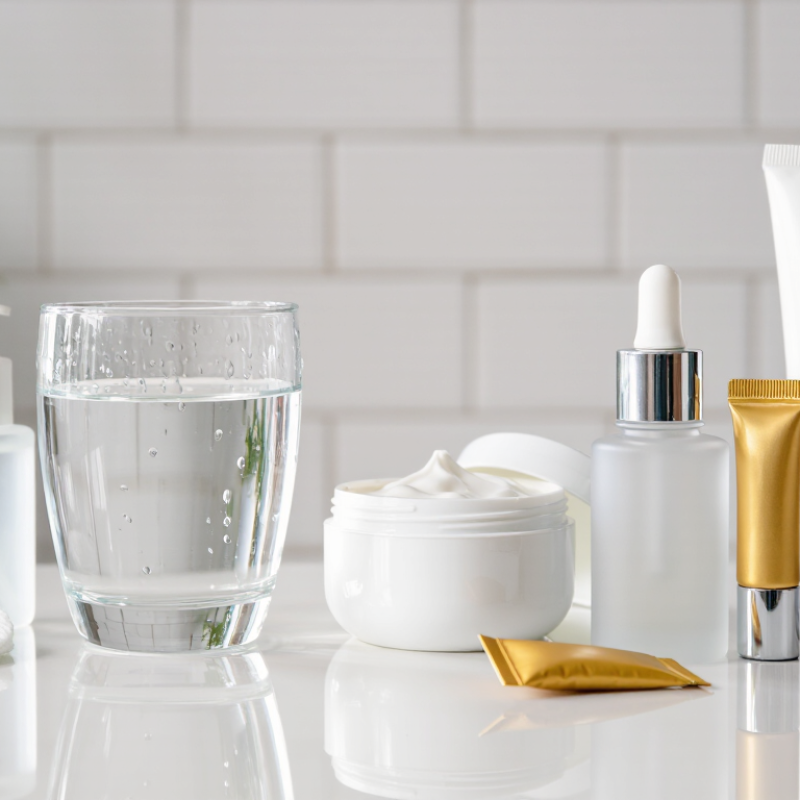
2026 Best Skincare Routine What Order to Apply Products?

Skin Types, Skin Goals, and Routine Planning Basics

2026 Best Skincare Routine: What Order to Apply Products?

Skin Types, Skin Goals, and Routine Planning Basics

An effective skincare routine starts with your skin type, not a crowded shelf. Dry skin often needs gentle cleansing and richer moisturizers. Oily skin may prefer lightweight, non-comedogenic formulas. Sensitive skin usually benefits from fewer ingredients and slower changes. Combination skin may need different textures on separate facial areas. Notice tightness, stinging, flakes, or excess shine after use.

Keep the order simple. After cleansing, apply a watery treatment, then a targeted product, moisturizer, and sunscreen in the morning. Use sunscreen as the final daytime step. At night, cleansing comes first, followed by treatments and moisturizer. Do not introduce several strong actives together. Alternate them when irritation appears. Patch testing can reveal problems before they spread across your face.

Choose products according to one main goal, such as hydration, uneven tone, or breakouts. Give a new routine several weeks unless burning or swelling develops. A dermatologist can assess persistent acne, rashes, or sudden sensitivity. Ingredients behave differently across people. That matters. Even careful planning can fail when sleep, climate, stress, or over-cleansing changes your skin. I would adjust one product at a time, record changes, and question quick promises. Perfect routines are mostly a myth.

2026 Best Skincare Routine: What Order to Apply Products?

A practical weekly planning guide for different skin types and skincare goals

How to Use This Routine

Morning order: Cleanser, treatment serum, moisturizer, then broad-spectrum sunscreen as the final skincare step.

Evening order: Cleanser, treatment product, moisturizer, and optional occlusive products if extra dryness is present.

Use gentle cleansing and moisturizer consistently for all skin types. Oily or acne-prone skin may prefer lightweight, non-comedogenic textures. Dry or sensitive skin generally benefits from fewer active products and more barrier-supportive moisturization.

The chart shows common starting frequencies rather than universal rules: sunscreen is generally used daily, retinoids are introduced gradually, and exfoliation is limited to reduce irritation. Adjust frequency according to tolerance and professional medical advice.

Morning Skincare: Cleanse, Treat, Moisturize, and Protect

A practical morning skincare routine follows a simple order: cleanse, treat, moisturize, and protect. Use lukewarm water and a gentle cleanser to remove overnight sweat without leaving tightness. If your skin feels dry, rinsing with water may be enough. Pat gently with a clean towel.

Apply treatment products next, while your skin is slightly damp or fully dry, depending on the formula. A vitamin C product may support antioxidant protection, while niacinamide can help reduce visible oiliness and redness. Introduce one active ingredient at a time. This makes irritation easier to identify.

I once added several products together and could not tell which one caused stinging. That was a poor experiment.

Follow with moisturizer to reduce water loss and support the skin barrier. Use a lighter layer on oily areas and more around the cheeks if needed.

Finish with broad-spectrum sunscreen on the face, ears, neck, and exposed chest. Two finger-length amounts usually provide a useful starting point, but coverage matters more than measuring perfectly. Reapply during extended outdoor exposure, sweating, or swimming.

Patch testing remains sensible, especially for reactive skin. A dermatologist can help when persistent burning, swelling, or peeling appears. Skin routines are not fixed forever; weather, hormones, shaving, and medication can change what feels comfortable.

Evening Skincare: Remove, Cleanse, Treat, and Repair

2026 Best Skincare Routine: Evening Skincare Order

Evening care begins with removal. Use a soft cotton pad or lukewarm water to dissolve sunscreen and makeup. Do not scrub the eye area. A 2023 McKinsey beauty report valued skincare at about 40% of the global beauty market. That growth reflects interest, but more products do not guarantee healthier skin.

Cleanse next with a gentle, fragrance-free formula. Massage for about 30 seconds, then pat dry with a clean towel. The American Academy of Dermatology recommends mild cleansing and avoiding harsh scrubbing, especially for sensitive skin. Apply one treatment after cleansing. Retinoids, azelaic acid, or exfoliating acids can support different concerns, but they should not all be used together. Start slowly. Skin often needs time.

Finish with repair. Apply a moisturizer while the skin still feels slightly damp. Choose ingredients such as ceramides, glycerin, or petrolatum when dryness is present. A 2024 clinical review in the Journal of Cosmetic Dermatology highlights moisturization as essential for supporting the skin barrier. Patch-test new treatments first. Stop if burning persists. I sometimes find that a simpler routine performs better than an ambitious one, although personal results vary. Clean pillowcases and a separate face towel also help reduce avoidable irritation. Consult a qualified dermatologist when acne, redness, or peeling continues.

How to Layer Skincare Products for Better Absorption

How to Layer Skincare Products for Better Absorption

Cleanse with lukewarm water, then pat your face until slightly damp. Dry skin can feel tight, but dripping skin dilutes lightweight products. Apply watery formulas first, such as hydrating toners or serums. Use only a few drops. More product does not mean deeper absorption.

Follow with treatment products, including antioxidants or prescribed formulas. Press them gently into the skin instead of rubbing aggressively. Wait until the surface feels comfortable, usually about one minute. Then apply moisturizer to reduce water loss. The American Academy of Dermatology recommends moisturizer after cleansing, because damp skin helps trap hydration. This order is practical, although perfect absorption is not guaranteed.

In the morning, sunscreen belongs last. The AAD states that SPF 30 sunscreen filters about 97% of UVB rays when used correctly. Use enough to cover the face, ears, and neck. Reapply after sweating or prolonged outdoor exposure. At night, skip sunscreen and keep the routine simpler. Avoid combining several strong exfoliants in one session. Irritation can weaken the skin barrier and make every product feel less effective. I still sometimes apply too much serum, especially when my skin feels dry. That habit is difficult to break. A patch test remains sensible for new formulas, particularly around the jawline.

Weekly Treatments, Product Compatibility, and Routine Adjustments

In 2026, an effective skincare routine depends on timing, tolerance, and product compatibility. Apply products from the thinnest texture to the thickest. After cleansing, use a hydrating layer, treatment serum, moisturizer, and sunscreen in the morning. At night, remove sunscreen, cleanse gently, then apply targeted treatments before moisturizer. Give each layer a few seconds to settle.

Weekly treatments need restraint. A mild exfoliating treatment may help rough texture, but use it only once or twice weekly at first. Avoid applying it on the same night as a retinoid or another strong active. Combining too many treatments can cause burning, tightness, or peeling. Patch testing matters, especially with new formulas. Skin often gives warnings before irritation becomes severe.

Your routine should change with the season, stress, and skin condition. In dry winter air, add a richer moisturizer and reduce exfoliation. During humid weather, lighter layers may feel better. My own routine would not stay perfectly consistent; that is worth admitting. I sometimes use too many products when my skin looks dull, then regret it the next morning. A simpler plan is usually easier to follow. Persistent redness, swelling, painful acne, or sudden sensitivity deserves advice from a qualified dermatologist.

FAQS

How should I identify my skin type?

Notice tightness, stinging, flakes, or excess shine after cleansing. Dry skin may need richer moisture. Oily skin often prefers lightweight textures. Combination skin may need different products on different areas.

What is the correct morning skincare order?

Cleanse gently, apply a watery treatment, use a targeted product, moisturize, then apply sunscreen. Sunscreen is the final daytime step. Keep it simple.

Should I cleanse every morning?

Use a gentle cleanser if sweat or oil feels noticeable. If your skin feels dry, rinsing with lukewarm water may be enough. Pat with a clean towel.

How much sunscreen should I use?

Two finger-length amounts offer a practical starting point for the face and neck. Cover the ears and exposed chest too. Reapply after sweating, swimming, or long outdoor exposure.

Can I use several active ingredients together?

Avoid introducing several strong actives at once. Use exfoliating treatments on separate nights from retinoids. Burning, tightness, or peeling means your plan needs reconsideration.

How often should I exfoliate?

Start once weekly with a mild exfoliating treatment. Increase to twice weekly only if your skin remains comfortable. Rougher is not always better.

How can I test a new skincare product?

Apply a small amount to a limited area first. Watch for redness, swelling, itching, or burning. Patch testing can reveal trouble before it reaches your whole face.

Should my routine change with the weather?

Yes. Use richer moisturizer and less exfoliation during dry winter air. Choose lighter layers in humid weather. Skin changes with stress, hormones, shaving, and medication.

What should I do if irritation continues?

Stop the suspected product and simplify your routine. Persistent redness, swelling, painful acne, or sudden sensitivity needs professional medical advice. Quick promises deserve skepticism.

Conclusion

A successful skincare routine begins with understanding your skin type, concerns, and personal goals. The right sequence helps products work more effectively while reducing unnecessary irritation. In the morning, start by cleansing, then apply targeted treatments such as antioxidants or hydration boosters, followed by moisturizer and broad-spectrum sunscreen. At night, remove makeup and sunscreen, cleanse thoroughly, apply suitable treatment products, and finish with nourishing or repairing formulas that support the skin’s natural recovery process.

Learning what order to apply skincare products also makes layering easier: generally, apply products from the thinnest texture to the richest, allowing each layer to settle before adding the next. Weekly treatments, such as gentle exfoliation or a calming mask, should be used thoughtfully and not combined too often with strong active ingredients. As seasons, sensitivity, and skin needs change, adjust the routine gradually, monitor your skin’s response, and keep the essentials consistent.

Henry

Henry

Henry is a dedicated marketing professional with a profound expertise in the company's offerings. With years of experience in the industry, he possesses an impressive understanding of the market dynamics and consumer behaviors that drive success. Henry is committed to sharing his insights through......