Choosing sunscreen for sensitive skin can feel like a small decision with a long ingredient list. Yet the right daily formula can make sun protection easier to maintain. The World Health Organization reported about 1.5 million skin cancer cases worldwide in 2020, underscoring the importance of reducing harmful ultraviolet exposure. The American Academy of Dermatology recommends broad-spectrum sunscreen with SPF 30 or higher. Still, a high SPF number alone does not guarantee a comfortable fit.
So, how to choose the right sunscreen for sensitive skin? Start with a broad-spectrum formula, then consider texture and ingredients. Fragrance-free products may be a sensible starting point if fragrance has irritated your skin before. Mineral filters, such as zinc oxide or titanium dioxide, are another option to compare; they are not automatically irritation-proof. Try a small amount on an inconspicuous area first. Watch for redness, stinging, or itching. A label cannot predict every reaction.
Dermatologist Steven Q. Wang is often associated with a practical reminder: “The best sunscreen is the one you’ll use.” That advice matters when a thick cream stays untouched beside the bathroom sink. This 2026 guide will compare sunscreen types, labels, and everyday wear, while keeping sensitive-skin concerns in view. The answer may still take some trial and error. That part is not ideal, but it is worth acknowledging.
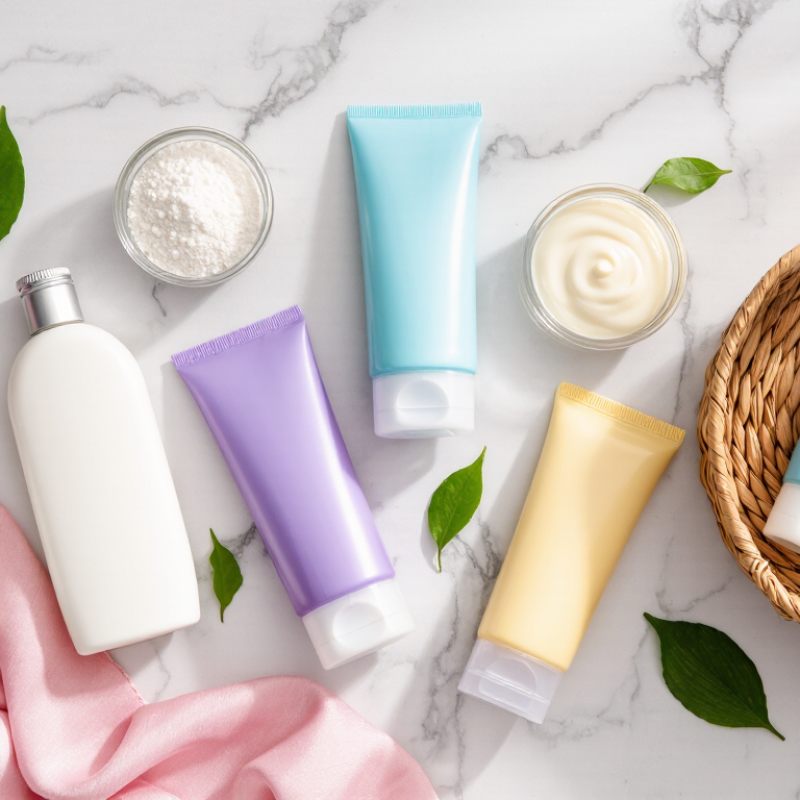
Sensitive skin can react to more than sunlight. Fragrance, alcohol, preservatives, heat, and sweat may trigger stinging or redness. A sunscreen that feels comfortable on one person may bother another. Skin can be unpredictable.
Look for broad-spectrum protection with SPF 30 or higher, then consider a fragrance-free formula. Mineral filters such as zinc oxide or titanium dioxide are often tolerated by sensitive skin, but they are not a perfect fit for everyone. Test a small amount on your inner arm for several days before applying it widely. Watch for itching, burning, or a rash. Stop if irritation develops. Even careful testing is not a guarantee; skin can surprise you.
Protection is more than a bottle. Apply sunscreen generously to exposed skin, including ears, neck, and the backs of your hands. Reapply about every two hours outdoors, and after swimming or heavy sweating. A hat, sunglasses, shade, and tightly woven clothing add practical coverage. If redness or discomfort keeps returning, note what you applied and when symptoms began. A dermatologist can help identify possible triggers. Some days, the simplest routine may be the easiest to tolerate.
Understanding sensitive skin and its sun protection needs
The bars show theoretical UVB blocked, calculated as 100 × (1 − 1/SPF): SPF 15 ≈ 93.3%, SPF 30 ≈ 96.7%, SPF 50 = 98%, and SPF 100 = 99%. These estimates reflect the SPF relationship under test conditions; real-world protection depends on applying enough sunscreen and reapplying as directed. For sensitive skin, choose broad-spectrum protection and consider fragrance-free formulas. Mineral filters such as zinc oxide or titanium dioxide may suit some people, but individual tolerance varies.
Mineral and chemical sunscreens protect skin in different ways. Mineral formulas use zinc oxide, titanium dioxide, or both to help block ultraviolet rays at the skin’s surface. They can suit people who find other formulas irritating, but may feel thick or leave a pale cast. Chemical filters absorb UV energy and release it as heat. Their lighter texture may layer more easily, though some sensitive users notice stinging or redness. Neither type is automatically gentler for everyone.
Check the full ingredient list, not just the sunscreen type. Fragrance, preservatives, and other ingredients can matter as much as the UV filters. Choose broad-spectrum protection with SPF 30 or higher, then test a small amount on an inconspicuous area for several days. Stop using it if irritation develops. A sunscreen that feels comfortable is more likely to be applied generously and reapplied. That practical detail is easy to overlook.
Tips: Try the texture on your jaw or inner arm first. Reapply about every two hours outdoors, and after swimming or sweating. If reactions persist, ask a dermatologist; even careful label reading cannot identify every trigger.
When your skin reacts easily, the ingredient list deserves a careful look. Check for fragrance, essential oils, and any ingredients that have triggered irritation before. These are not problems for everyone, but familiar patterns matter. Mineral filters such as zinc oxide or titanium dioxide may suit some sensitive skin, though no filter is guaranteed to feel comfortable. Patch-test a small amount first.
Read the SPF number and the broad-spectrum label together. SPF mainly indicates protection against UVB rays, which cause sunburn; broad-spectrum products also protect against UVA rays. For everyday outdoor use, choose SPF 30 or higher. Higher numbers do not remove the need to apply enough. A thin, hurried layer can leave skin exposed.
Give the sunscreen a fair trial. Apply it to a small area for several days, and stop if burning, swelling, or a persistent rash develops. If the reaction is severe or keeps returning, ask a qualified healthcare professional. Check the directions for reapplication, especially after swimming or sweating. Water resistant does not mean waterproof. One detail is easy to miss: sunscreen can sting around the eyes even when the rest of your face tolerates it.
| What to Check | What to Look For | Why It Matters | Sensitive-Skin Considerations | Practical Tip |
|---|---|---|---|---|
| Broad-spectrum protection | A clear “Broad Spectrum” label where that labeling standard is used. | In the United States, the label indicates that the sunscreen meets FDA criteria for protection against both UVA and UVB rays. SPF mainly reflects protection against sunburn-causing UVB. | A high SPF alone does not tell you whether a sunscreen provides adequate UVA protection. | Check for both an appropriate SPF and a broad-spectrum claim; labeling rules can differ by country. |
| SPF level | SPF 30 or higher for routine outdoor use, in line with common public-health guidance. | Under test conditions, SPF 30 filters about 97% of UVB rays and SPF 50 about 98%. No sunscreen blocks all UV radiation. | Higher SPF does not remove the need to apply enough product or reapply as directed. | Choose a level you can comfortably apply generously and consistently. |
| Active ingredients | In the U.S., mineral sunscreens commonly use zinc oxide, titanium dioxide, or both. Other regions may authorize different UV filters. | Different filters protect against UV radiation in different ways; a product’s labeled protection depends on its tested formulation. | Some people prefer mineral formulas because they may find them less irritating, but no filter type is guaranteed to suit everyone. | Check the complete ingredient list and choose a locally authorized product with the protection claims you need. |
| Fragrance and potential irritants | Consider a fragrance-free formula and review the full ingredient list for ingredients you already know cause a reaction. | Fragrance and other ingredients can trigger irritation or allergy in some individuals; reactions are personal and cannot be predicted from one ingredient alone. | “Unscented” does not always mean fragrance-free. A “sensitive skin” claim does not guarantee that a product will not irritate you. | If you have a history of skin reactions, consult a dermatologist about ingredients to avoid. |
| Water resistance | If needed, look for a stated water-resistance duration, such as 40 or 80 minutes, where permitted by local labeling rules. | In the U.S., water-resistant claims specify protection during swimming or sweating for the labeled time. No sunscreen is “waterproof.” | Water resistance does not mean a formula is more suitable for sensitive skin. | Reapply after swimming, sweating, or towel drying, and follow the product label. |
| Texture and routine fit | A lotion, cream, gel, or stick that feels comfortable and is practical for the area being covered. | A formula that is easy to apply in a sufficient amount is more likely to be used consistently. | Some textures may sting or feel uncomfortable on particular skin types, especially around the eyes or on compromised skin. | Try a small amount on a limited area first, and stop using it if irritation develops. |
| Application and reapplication | Follow the label’s directions and apply sunscreen generously to exposed skin. | Using too little can reduce the protection achieved compared with the product’s tested SPF. | Application habits matter regardless of whether the formula is mineral or uses other authorized filters. | Reapply at least every two hours outdoors, and sooner after swimming, sweating, or towel drying, as directed on the label. |
| Patch testing and professional advice | Test a new product on a small area before wider use if you are prone to reactions. | A limited trial may help identify a reaction, though it cannot guarantee that the product will never cause one. | Persistent burning, swelling, rash, or worsening symptoms warrant discontinuing the product and seeking medical advice. | For recurring reactions or a known skin condition, ask a dermatologist for individualized guidance. |
Reminder: Sunscreen is one part of sun protection. Seek shade and use protective clothing, a wide-brimmed hat, and sunglasses when appropriate.
Choosing sunscreen for sensitive skin starts with how your skin behaves, not a trendy label. If fragrance or a particular ingredient has caused stinging before, check the full ingredient list and test a small area for several days. Mineral formulas containing zinc oxide or titanium dioxide suit many people, but no formula works for everyone. Patch tests are helpful, not guarantees. Keep it simple. Try one new product at a time, so a reaction is easier to trace.
Match the texture to your skin and routine. A cream may feel comfortable on dry cheeks, while a lighter fluid can sit better on oily skin. If you wear makeup, check that the sunscreen layers without pilling. Look for broad-spectrum SPF 30 or higher; choose water-resistant protection for swimming or heavy sweating. Apply an even, generous layer to your face, ears, and neck, then reapply about every two hours outdoors and after swimming or toweling off. A useful caution: redness is not always caused by sunscreen; heat, wind, or a cleanser may also be involved. If irritation persists, stop using the product and ask a healthcare professional for advice.
A patch test is a useful first check, not a guarantee. Apply a small amount of sunscreen to a discreet spot, such as the inner forearm, and repeat daily for several days. Follow the product directions, and note any itching, burning, swelling, or persistent redness. Keep it simple. Don’t deliberately expose the test area to strong sunlight to provoke a reaction; sunscreen testing is not a reason to risk a burn. If irritation develops, wash the area gently and stop using the product. Seek medical advice for severe or lingering symptoms.
When the test area stays comfortable, try the sunscreen on a small part of your face before using it everywhere. Avoid broken or freshly irritated skin, and keep it away from your eyes. A mild tingle can still be a warning, especially if it continues. Patch testing has limits; reactions may appear later or on different skin.
For outdoor use, apply sunscreen evenly to dry skin before sun exposure, following the label’s timing. Don’t skimp on easy-to-miss spots, including the ears, hairline, and neck. Reapply at least every two hours, and after swimming, sweating, or towel-drying, as directed. A small test patch cannot protect the rest of your skin. Use shade and clothing too, particularly during long stretches outdoors. It’s easy to miss a spot.
Mineral filters help block UV rays at the skin’s surface. Chemical filters absorb UV energy and release it as heat. Feel varies.
No. Zinc oxide or titanium dioxide may suit some people, but no formula works for everyone. Ingredients matter too.
Read the full ingredient list, including fragrance and preservatives. Choose broad-spectrum protection with SPF 30 or higher.
Apply a small amount to your inner arm or jaw for several days. Stop if irritation develops. Small steps help.
SPF mainly indicates protection against UVB rays. Broad-spectrum labeling also indicates UVA protection. A thin layer may leave skin exposed.
Reapply about every two hours. Apply again after swimming, sweating, or toweling off. I sometimes forget the ears.
A cream may feel comfortable on dry cheeks, while a lighter fluid may suit oily skin. Check whether it layers without pilling under makeup.
Stop using it if burning, swelling, or a persistent rash develops. If symptoms are severe or keep returning, ask a healthcare professional. Heat or wind may also contribute.
Choosing sunscreen for sensitive skin starts with understanding what triggers irritation, such as fragrance or certain active ingredients, and looking for a formula that feels comfortable enough to use every day. Mineral sunscreens, which use zinc oxide or titanium dioxide, may suit people who prefer a more gentle-feeling option, while chemical formulas can offer lightweight textures. Individual reactions vary, so compare ingredient lists and choose broad-spectrum protection with an SPF appropriate for your routine.
To decide how to choose the right sunscreen for sensitive skin, consider your skin type, climate, and whether you need a formula that layers well under makeup or resists water during outdoor activities. Introduce a new product with a patch test, following its directions, and stop using it if irritation occurs. Apply a generous, even layer to exposed skin and reapply as directed, especially after swimming, sweating, or towel-drying.
