2026 Best Tips Why Is My Scalp So Itchy and Dry?

Time:2026-06-16 Author:Amelia
0%

Dealing with an itchy and dry scalp can be frustrating. Many people wonder, "why is my scalp so itchy and dry?" This condition often stems from various factors. Dry skin, allergies, and environmental influences may all play a role.

The discomfort can lead to scratching, which further irritates the scalp. This cycle creates even more issues, making the scalp feel uncomfortable. Identifying the root cause is crucial for relief. You may notice that lifestyle choices, such as diet and hair care products, can contribute to scalp health.

Skin conditions like psoriasis or eczema may also arise. Taking a holistic approach can help. Consider seeking professional advice if symptoms persist. Understanding your individual needs is vital. It’s important to reflect on your habits and how they impact your scalp’s health. This awareness can guide you toward effective solutions.
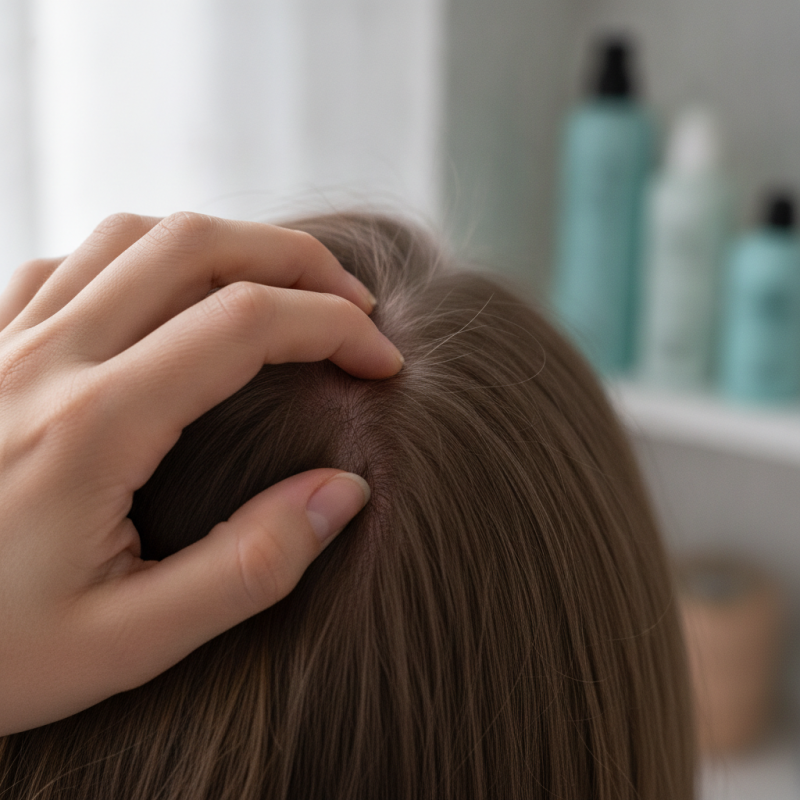
2026 Best Tips Why Is My Scalp So Itchy and Dry?

Understanding Scalp Health: Common Causes of Itchy and Dry Scalp

An itchy and dry scalp can be frustrating. Many people struggle with scalp issues. According to studies, approximately 50% of adults report experiencing scalp dryness. Various factors contribute to this common problem.

Environmental factors play a significant role. Low humidity levels can strip moisture from the scalp. Harsh shampoos and styling products often worsen the condition. These products can contain sulfates, which may irritate the skin. Additionally, some individuals have sensitivities to ingredients in their hair care products. This irritation can lead to discomfort and flaking.

Aging is also a key factor. As we age, our skin loses natural oils. This can result in a drier scalp. Data shows that over 60% of older adults experience scalp dryness. Another common cause is scalp conditions, such as psoriasis or eczema. Both of these conditions can lead to red, itchy patches on the scalp. If these symptoms are persistent, consulting a dermatologist is crucial. Understanding the causes can guide you toward more effective treatment options.

2026 Best Tips: Why Is My Scalp So Itchy and Dry? - Understanding Scalp Health: Common Causes of Itchy and Dry Scalp

Cause Symptoms Suggested Remedies Prevention Tips
Dry Skin Flakes, tightness, redness Use moisturizing shampoos, apply oils Stay hydrated, use humidifiers
Dandruff White flakes, itching, scalp irritation Anti-dandruff shampoos, tea tree oil Regular washing, healthy diet
Allergic Reactions Redness, swelling, itching Identify and avoid allergens, soothing lotions Check ingredient labels, patch test products
Seborrheic Dermatitis Itchy, greasy patches, flakes Prescription shampoos, corticosteroids Manage stress, balanced diet
Psoriasis Thick, red patches with silvery scales Medicated creams, light therapy Avoid triggers, moisturize regularly
Stress Increased itching, irritation Relaxation techniques, scalp massages Regular exercise, mindfulness practices

The Role of Scalp Hydration: Importance of Moisture for Skin Health

Scalp hydration is essential for overall skin health. An itchy, dry scalp often signals a lack of moisture. When the scalp is dehydrated, irritation can occur. This may lead to flakiness and discomfort. Maintaining proper hydration prevents these issues and promotes a healthy scalp.

To nourish your scalp, consider using natural oils. Jojoba and coconut oil can provide deep moisture. Apply these oils sparingly, focusing on dry areas. Hydrating shampoos can also help, but avoid over-washing. Too much shampoo can strip natural oils. Instead, aim to wash your hair less frequently.

Environmental factors can worsen dryness. Cold weather, hot showers, and dry indoor air contribute to an itchy scalp. Maintaining a humid environment can counter this. Regular scalp massages can stimulate blood flow, enhancing moisture retention. It’s not just about products; lifestyle changes matter too. Adjusting your routine may take time, but the effort is worth it for healthy skin.

Impact of Dietary Factors on Scalp Condition: Nutrients and Deficiencies

Diet plays a crucial role in scalp health. Essential nutrients like omega-3 fatty acids, zinc, and vitamins A and E are vital. A deficiency in these can lead to an itchy and dry scalp. Omega-3s promote hydration. Zinc helps regulate oil production. Vitamins A and E support skin health.

Lack of hydration can exacerbate scalp issues. If you're not drinking enough water, you may notice dryness. Foods rich in antioxidants, like berries, also help soothe irritation. However, not everyone eats a balanced diet. Many overlook the importance of these nutrients, leading to ongoing discomfort.

Consider your dietary choices. Are you getting enough nutrients? Reflect on your eating habits. Incorporating foods high in these essential elements can help restore scalp balance. A tailored approach may lead to significant improvements. Prioritize your scalp health with mindful eating.

Environmental Influences: How Weather and Hair Products Affect the Scalp

Changes in the weather can significantly impact scalp health. Cold, dry air is notorious for stripping moisture from your skin. According to a study by the American Academy of Dermatology, about 60% of people experience dry scalp issues during winter months. This is often due to decreased humidity. In contrast, summer brings heat and increased humidity, which may lead to oil buildup. Both extremes require different care approaches.

Hair products play a crucial role in scalp condition. Many shampoos contain sulfates and fragrances that can irritate the scalp. A report from the Journal of Dermatological Science indicates that 30% of users have experienced scalp irritation linked to specific hair products. While products promise to nourish, they can sometimes exacerbate dryness or itching. Assess your routine. Are your products working for you? Reflecting on your scalp's condition can guide better choices.

Water quality also matters. Hard water, rich in minerals, can leave deposits on the scalp. This can worsen dryness and irritation. A survey from the Skin Health Alliance shows that 25% of individuals with sensitive skin reported issues from hard water. It’s essential to understand how environmental factors shape our skin and scalp health. Taking time to analyze these influences can lead you toward better care practices.

When to Seek Professional Help: Recognizing Serious Scalp Conditions

An itchy, dry scalp can be more than just an annoyance. Sometimes, it signals a serious condition. If your scalp feels uncomfortable consistently, it is time to take action. Look for signs like redness, swelling, or painful lesions. These symptoms might indicate dermatitis or psoriasis. Both need professional guidance.

Experiencing hair loss alongside itchiness should not be ignored. It could suggest an underlying issue like alopecia. A dermatologist can assess your condition accurately. It’s crucial to understand any sudden changes. Ignoring recurring symptoms may lead to worsening problems.

Regular moisturizing can help, but it may not suffice. Keep an eye on how your scalp reacts to products. Document your observations. This information is valuable during consultations. Detailed notes can help professionals determine the root cause. Take charge of your scalp health before minor issues escalate.

The Causes of Itchy and Dry Scalp

This bar chart represents the common causes of itchy and dry scalp based on reported frequencies. Understanding these causes can help in determining when to seek professional help for scalp conditions.

FAQS

: Why is scalp hydration important?

: Scalp hydration is essential for skin health. A dry scalp often leads to irritation and discomfort.

What causes a dry scalp?

Environmental factors like cold weather and dry air can strip moisture from the scalp.

How can I nourish my scalp effectively?

Natural oils, like jojoba and coconut oil, provide deep moisture. Apply them to dry areas.

How often should I wash my hair?

Avoid over-washing your hair. It can strip away natural oils and worsen dryness.

What signs indicate a serious scalp condition?

If you notice redness, swelling, or painful lesions, it may signal dermatitis or psoriasis.

How can weather affect my scalp?

Cold, dry air in winter can lead to dry scalp issues, while summer heat can cause oil buildup.

Can hair products irritate my scalp?

Yes, shampoos with sulfates and fragrances can exacerbate dryness and irritation for some users.

What should I do if I experience hair loss?

Hair loss with itchiness could suggest alopecia. It’s important to see a dermatologist.

How does water quality affect my scalp?

Hard water can leave deposits, worsening dryness and irritation on the scalp.

What can I do to improve my scalp care?

Reflect on your routine, document reactions to products, and consult a professional for serious concerns.

Conclusion

Understanding the reasons behind "why is my scalp so itchy and dry" is essential for maintaining scalp health. Common causes include dry skin, eczema, and fungal infections. Hydration plays a crucial role, as moisture helps maintain skin integrity and prevents irritation. Additionally, dietary factors such as nutrient deficiencies can influence scalp condition, emphasizing the importance of a balanced diet rich in vitamins and minerals.

Environmental factors also contribute to scalp discomfort; for instance, harsh weather conditions and certain hair products can exacerbate dryness and itchiness. It’s important to monitor these influences and adjust your hair care routine accordingly. If itching and dryness persist despite self-care measures, seeking professional help may be necessary to rule out more serious scalp conditions and receive appropriate treatment.

Amelia

Amelia

Amelia is a seasoned marketing professional with a wealth of expertise in our company’s core offerings. With an unwavering passion for driving growth and innovation, she plays a pivotal role in shaping our marketing strategies and enhancing brand visibility. A key aspect of her responsibilities......