In 2026, clean makeup brushes are more than a beauty routine. They support healthier application, smoother blending, and more consistent results. If you have searched “what is the best way to clean makeup brushes,” the answer depends on brush fibers, product buildup, and drying conditions. A delicate natural-hair brush needs gentler care than a dense synthetic foundation brush.
From practical experience, lukewarm water, a mild brush cleanser, and careful rinsing remain reliable choices. Hot water can weaken adhesive near the ferrule. Strong household detergents may leave fibers rough and irritated. Wet the bristles downward, massage cleanser through the tips, and avoid soaking the handle. Watch the water turn cloudy. That small detail shows how much residue remains.
Clean tools matter.
This guide will examine a repeatable method for daily, weekly, and deeper brush cleaning. It will also discuss drying brushes flat, replacing damaged tools, and avoiding common hygiene mistakes. Professional makeup artists often clean frequently, but the ideal schedule changes with use, skin sensitivity, and product type. Cream products usually demand more attention than powder formulas.
No cleaning method is perfect. I have sometimes rinsed too quickly and discovered leftover foundation near the center of a brush. That experience is worth remembering. A brush may look clean while hidden residue remains inside. Reliable care requires patience, inspection, and realistic habits rather than harsh products or exaggerated promises.
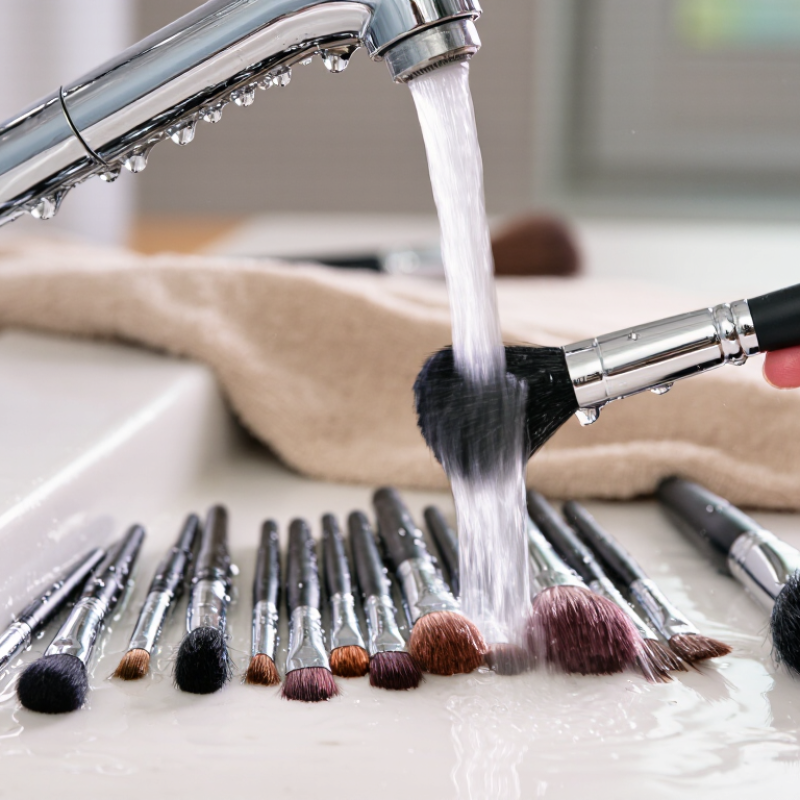
What Is the Best Way to Clean Makeup Brushes in 2026?
Used makeup tools deserve more attention than they usually receive. Studies have reported contamination rates of 70–90% in some used cosmetics, though results vary by product and testing method. These findings do not mean every brush is dangerous. They do show that repeated contact with skin, oil, moisture, and bathroom air can create a better environment for bacteria and fungi. Eye brushes require extra care because the surrounding skin is delicate.
I wash brushes with lukewarm water and a mild, fragrance-free cleanser. I wet only the bristles, then massage cleanser through them with clean fingers. I avoid soaking the handle or metal ferrule, because trapped water may weaken the glue. Rinse until the water runs clear. Let it dry. Reshape the bristles and place the brush flat, with the head extending beyond the counter’s edge. Drying it upright can push moisture into the handle.
I used to clean brushes only when they looked dirty. That was a poor standard. Some contamination is invisible. A weekly wash suits many personal brushes, while cream-product tools may need more frequent cleaning. Brushes used around irritated skin should be cleaned immediately and allowed to dry fully. I still miss a day sometimes, especially during busy weeks. The better habit is not perfection; it is noticing buildup before the brush returns to your face.
Assess contamination risk first: published laboratory surveys have reported microbial contamination in approximately 70–90% of some used cosmetic products.
Reported contamination prevalence in one published survey was highest for reusable makeup sponges, followed by mascara and eyeshadow. Contamination means microorganisms were detected; it does not automatically indicate infection. Wash brushes and reusable applicators regularly with liquid soap or a dedicated cleanser, rinse thoroughly, and allow them to dry completely.
Data basis: published laboratory findings on used cosmetic products, including reported rates of 70–90% overall contamination and item-level results. Rates can vary by sample size, handling, storage, and testing method.
What Is the Best Way to Clean Makeup Brushes in 2026?
A weekly wash cycle is a practical habit for foundation brushes. Dermatologists commonly advise washing them at least once every week. Dense bristles collect foundation, facial oil, dead skin cells, and moisture. Those deposits can irritate sensitive skin and may worsen clogged pores. I notice my foundation applies more evenly after a careful wash. If you use the brush daily, clean it every three or four days. Wash it sooner after a breakout or unusual odor.
Use lukewarm water and wet only the bristles. Keep the metal ferrule and handle mostly dry. Add a small amount of mild, fragrance-free cleanser to your palm. Move the brush in gentle circles until the makeup loosens. Rinse until the water runs clear. Press out excess water with a clean towel. Reshape the bristles, then dry the brush flat with the tips extending beyond a counter edge. Avoid drying it upright while wet.
My routine is not perfect. I sometimes miss the weekly reminder during busy periods. That delay makes the brush feel stiff and less hygienic. A calendar alert helps me stay consistent. Do not share brushes, especially during active skin irritation. Replace a brush when bristles shed heavily, develop a lasting smell, or remain difficult to clean. If redness or itching continues, ask a qualified healthcare professional for advice.
| Brush or Tool | Recommended Wash Cycle | Why It Matters | Cleaning Method | Drying Guidance | Priority |
|---|---|---|---|---|---|
| Liquid foundation brush | At least once a week | Dense bristles can retain oils, pigment, and microorganisms. Frequent washing may help reduce buildup and lessen the chance of clogged pores or irritation. | Wet the bristles with lukewarm water, apply a mild cleanser, and gently work the lather from the ferrule toward the tips. Rinse until the water runs clear. | Press out excess water with a clean towel and lay flat with the bristles extending beyond the edge of a counter. | High |
| Cream concealer brush | Once a week | Cream products leave a film that can trap residue and make bristles stiff, which may increase friction during application. | Use lukewarm water and a gentle, fragrance-free cleanser. Massage only the bristles; avoid soaking the handle or metal ferrule. | Reshape the head and dry flat in a well-ventilated area. | High |
| Powder blush, bronzer, or highlighter brush | Every 1–2 weeks | Powder brushes generally hold less oily residue than cream-product brushes, but they still collect skin cells, makeup particles, and environmental debris. | Use a small amount of mild cleanser and rinse gently. Avoid aggressive twisting, which can loosen bristles. | Lay flat until completely dry before storing. | Medium |
| Eye-shadow brush | Every 1–2 weeks | Eye-area tools can transfer pigment, oils, and microorganisms near sensitive skin. Clean more often when several shades are used in one session. | Clean separately with lukewarm water and a mild cleanser. Rinse carefully so cleanser does not remain between the bristles. | Dry flat and do not use until fully dry. | Medium |
| Eyeliner brush | After each use | Repeated contact with the eyelid and lash line makes residue control especially important. Fresh cleaning can help prevent product buildup and eye-area irritation. | Remove visible product immediately with a gentle cleanser and lukewarm water. Rinse thoroughly without bending the tip. | Air-dry flat with the tip kept clear of surfaces. | Very high |
| Lip brush | After each use | Lip products are often waxy or oily and may leave residue that transfers between applications. | Use a mild cleanser and lukewarm water. Work the cleanser through the full brush head, then rinse well. | Blot gently and let it dry completely before placing it in a case. | Very high |
| Makeup sponge | After every use | Porous tools can retain moisture and product inside the material, creating conditions for microbial growth if they remain damp. | Wet thoroughly, apply a gentle cleanser, and squeeze repeatedly until the water runs clear. Do not share the sponge. | Air-dry completely in an open, clean area; do not store while damp in a closed container. | Very high |
| Brush used on irritated or infected skin | Clean immediately; replace if contamination persists | Using a contaminated tool again may spread irritation or infection to other areas of the face. | Stop using the brush until it has been thoroughly cleaned. If the bristles cannot be cleaned effectively, disposal is the safer option. | Dry fully before any possible reuse. Do not share the tool. | Very high |
| Any brush with shedding, odor, or damaged bristles | Replace rather than continue using | Damaged bristles may feel abrasive, while persistent odor can indicate trapped residue or incomplete drying. | Do not attempt to restore a brush that remains foul-smelling, visibly moldy, or structurally damaged after cleaning. | Discard responsibly and keep replacement tools clean and dry. | High |
| Weekly routine: Wash foundation and concealer brushes once a week, clean eye and lip tools more frequently, and clean sponges after every use. Use lukewarm water and a mild cleanser, keep water away from the ferrule and handle, rinse thoroughly, and allow every tool to dry completely before storage. Stop using a tool if it causes persistent irritation. | |||||
Clean makeup brushes work best with lukewarm water and a gentle, pH-balanced cleanser. Hot water may soften the adhesive inside the ferrule, while cold water leaves oils and pigment behind. Lukewarm water loosens residue without stressing the brush structure.
I rinse each brush with the bristles pointing downward. Water should never pool around the ferrule, the metal section joining bristles to the handle. I place a small amount of cleanser in my palm, then swirl the brush gently until the foam turns cloudy. Stubborn foundation needs patience, not aggressive scrubbing. That mistake can bend bristles and weaken the glue.
Clean thoroughly. Rinse until clear. I press out moisture with a clean towel and reshape the head. Brushes should dry flat, with the bristles extending slightly beyond a counter’s edge. This allows air to reach both sides and keeps water away from the ferrule. Drying them upright can pull moisture into the handle.
I usually wash frequently used face brushes every few days and eye brushes more often. The exact schedule depends on skin sensitivity, product texture, and how many brushes are available. I sometimes leave a brush drying longer than necessary, which makes it feel stiff. A second gentle rinse and reshaping usually helps, but replacing badly cracked or shedding brushes is more hygienic.
What Is the Best Way to Clean Makeup Brushes in 2026?
Clean makeup brushes need more than a quick splash under running water. Start by wetting the bristles with lukewarm water, keeping the handle and metal ferrule mostly dry. Apply a gentle, fragrance-free cleanser, then massage the bristles for 60 seconds. Use your fingertips and work from the base toward the tips. This loosens foundation, powder, oil, and skin residue without rough handling.
Rinse thoroughly under clean water until the stream looks clear and the bristles feel soft. Residue can trap bacteria and irritate sensitive skin. Press the brush gently in a clean towel, reshape it, and lay it flat with the bristles extending beyond the counter. Never dry it upright while wet. Water may seep into the ferrule and weaken the glue. I used to rush this step, and my brushes became stiff faster than expected. That mistake changed my routine.
Tips: Wash complexion brushes after several uses, especially when applying liquid products. Clean eye brushes more often if your eyes feel sensitive. Inspect the bristles before use. If they smell unusual, shed heavily, or remain greasy after washing, replace them. Avoid very hot water and harsh household cleaners. A 60-second massage takes patience, but it removes far more residue than a brief rinse.
Cleaning makeup brushes in 2026 is less about stronger soap and more about controlled drying. The American Academy of Dermatology recommends washing brushes every seven to ten days. A 2022 peer-reviewed study of used cosmetic tools also found frequent bacterial contamination, especially when residue and moisture remained trapped in bristles. Clean weekly, or sooner after heavy cream products.
Use lukewarm water and a mild, fragrance-free cleanser. Keep the handle and metal joint mostly dry. Press the brush gently in a clean towel. Do not twist the bristles. Then lay each brush flat on a dry towel, with the head extending slightly beyond the edge. Air-dry for 8–12 hours. Overnight is practical, but not always enough in humid rooms.
Moisture hides inside dense fibers. I once stored a brush too early, and its center still felt cool the next morning. That small mistake mattered. A 2023 hygiene review from the International Journal of Environmental Research and Public Health links damp storage with greater microbial survival on reusable cosmetic tools. Store completely dry brushes in a ventilated case, leaving space between them. Avoid sealed pouches immediately after washing. A breathable mesh compartment works better than a crowded drawer. Check the ferrule, too. If water repeatedly enters the joint, shedding and loosening may follow. The method is simple, but my own rushed routine was not.
Wash it at least once weekly. If used daily, clean it every three or four days. Skin sensitivity may require more frequent washing.
Wash it after a breakout, unusual odor, or visible buildup. Do not wait for the weekly reminder.
Dense bristles collect foundation, facial oil, dead skin cells, and moisture. These deposits may irritate sensitive skin or worsen clogged pores.
Use lukewarm water. Hot water may soften the ferrule’s adhesive, while cold water can leave oils and pigment behind.
Wet only the bristles, with the brush pointing downward. Keep water away from the metal ferrule and handle.
Use a small amount of mild, fragrance-free, pH-balanced cleanser. Swirl gently in your palm until the makeup loosens.A little patience helps.
Rinse until the water runs clear. Press out moisture with a clean towel, reshape the bristles, and dry the brush flat.
Water can move into the ferrule and handle. This may weaken the adhesive or create longer-lasting dampness.
Avoid sharing brushes, especially during active skin irritation. Shared tools can transfer residue between faces.
Replace it when bristles shed heavily, develop a lasting smell, or remain difficult to clean. A badly cracked brush is not worth saving.
I sometimes miss reminders during busy periods. A calendar alert helps, but delayed cleaning can make bristles stiff and less hygienic.
Stop guessing and ask a qualified healthcare professional for advice. Persistent symptoms need proper assessment.
What is the best way to clean makeup brushes? Start by treating used brushes as potential sources of buildup, since studies have found contamination levels of 70–90% in some used cosmetics. Create a weekly washing routine for foundation and other frequently used brushes, which is commonly recommended by dermatology professionals. Use lukewarm water with a gentle, pH-balanced cleanser to loosen makeup, oils, and residue without being overly harsh on the bristles.
Protect the ferrule—the metal section connecting the bristles to the handle—by keeping it as dry as possible during washing. Massage the cleanser through the bristles for about 60 seconds, rinse thoroughly, and continue until no residue remains. Then reshape the brush and lay it flat to air-dry for 8–12 hours. Once completely dry, store the brushes in a clean, ventilated case to reduce moisture buildup and help maintain their shape.
