7 Best Ways to Get Rid of Textured Skin on Face?

Time:2026-10-27 Author:Charlotte
0%

Textured skin can feel like a quiet problem: uneven cheeks, rough patches, enlarged pores, or shallow acne scars. In certain light, the surface may look smooth. Near a bathroom mirror, every bump seems louder.

The American Academy of Dermatology reports that acne affects up to 50 million Americans annually. Acne inflammation can leave lasting changes in skin texture, including pitted scars and uneven tone. Sun exposure, dehydration, clogged pores, and reduced collagen may also make the surface appear rougher. The American Academy of Dermatology Association recommends broad-spectrum sunscreen with SPF 30 or higher. That advice matters because repeated ultraviolet exposure can weaken collagen and deepen visible unevenness.

So, how to get rid of textured skin on face safely? The answer depends on the cause, skin type, and severity. A gentle cleanser, consistent moisturizer, daily sunscreen, and carefully selected exfoliating ingredients may improve the surface over time. Retinoids, salicylic acid, and alpha hydroxy acids can help, but stronger is not always better. Irritation may create more redness and roughness.

Be patient.

A dermatologist can distinguish clogged pores from acne scarring, eczema, rosacea, or other conditions that need different care. Professional treatments, such as chemical peels, microneedling, or laser procedures, may provide deeper improvement when performed by qualified providers. However, results vary, and online before-and-after images rarely show the full process. This guide examines seven evidence-informed approaches while acknowledging an uncomfortable truth: perfect skin is not a realistic medical standard, and improvement often requires trial, adjustment, and time.
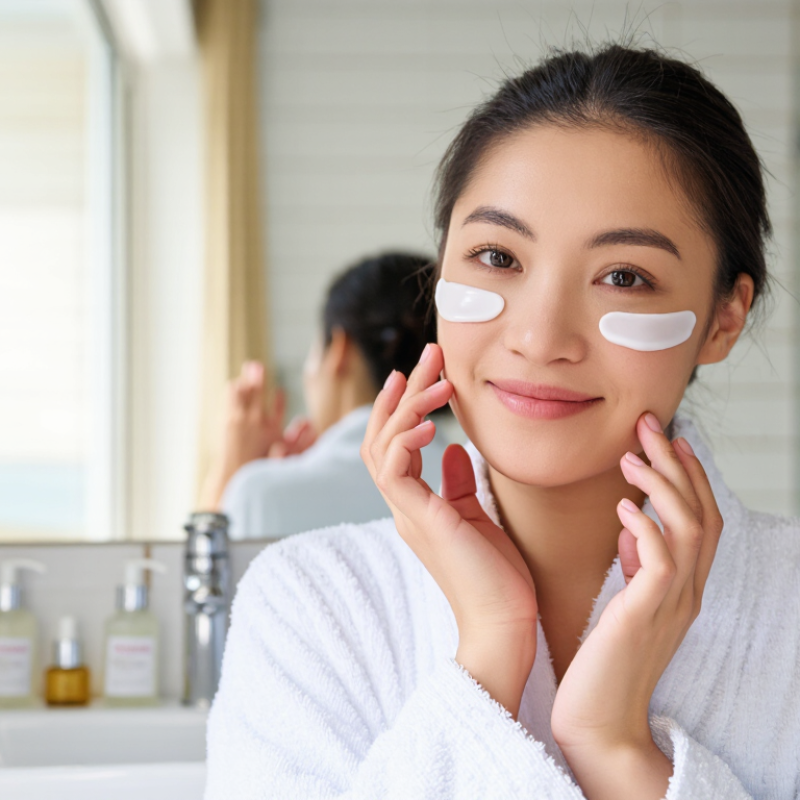
7 Best Ways to Get Rid of Textured Skin on Face?

Understand What Causes Textured Skin on the Face

Textured skin usually describes a rough, uneven, or bumpy surface. It is a symptom, not a single diagnosis.

Small flesh-colored bumps may come from clogged pores, excess oil, or trapped dead skin cells. Dryness can also make the face feel like fine sandpaper.

Acne healing may leave shallow scars, while long-term sun exposure can create uneven patches and thicker texture.

Irritation is another common cause. Overusing scrubs, strong acids, or cleansing brushes can weaken the skin barrier. The face may then become tight, flaky, and unusually rough.

Some people also develop tiny bumps from follicular plugging or keratosis pilaris, although this condition is more common on the arms. Texture can look similar across conditions, but the causes differ. That makes guessing risky.

Notice when the texture appeared. Did it follow a new product, breakouts, dryness, or heavy sweating? This detail can guide a safer routine.

Gentle cleansing, regular moisturising, and daily broad-spectrum sunscreen often support smoother-looking skin. Avoid picking or stacking several exfoliants at once. More treatment is not always better.

A dermatologist can examine persistent bumps, painful lesions, sudden changes, or suspected scarring.

I used to think “rough skin” needed stronger exfoliation, but that assumption can worsen irritation. Skin is rarely perfectly smooth, and chasing perfection may create more texture.

Build a Gentle Daily Cleansing and Moisturizing Routine

Textured skin often becomes more noticeable when the face is over-cleansed, dehydrated, or irritated. A gentle daily routine can improve its appearance without creating more friction. Wash your face in the morning and evening with lukewarm water and a mild, fragrance-free cleanser. Use clean fingertips, not a rough cloth or brush, and massage lightly for about thirty seconds.

Keep it simple. Rinse carefully, especially around the nose and jawline, where cleanser can remain unnoticed. Pat your skin dry with a soft towel, leaving it slightly damp.

Apply a plain moisturizer within a minute. Ingredients such as glycerin, ceramides, and hyaluronic acid can help support the skin barrier and reduce dry, uneven-looking patches.

In the daytime, use broad-spectrum sunscreen because repeated sun exposure can worsen roughness and uneven tone.

Dermatology guidance generally favors consistency over aggressive exfoliation. Scrubs, strong acids, and frequent product changes may produce temporary smoothness, but they can also cause redness and sensitivity.

I learned this the inconvenient way: more products did not mean better skin.

Try one change at a time, and patch-test new products near the jaw before applying them widely. If tiny bumps, itching, or persistent rough texture continue, a qualified dermatologist can check for acne, eczema, or other conditions. Some texture may not disappear completely, and that is worth accepting.

Exfoliate Safely to Smooth Uneven Facial Texture

7 Best Ways to Get Rid of Textured Skin on Face?

Exfoliate safely to smooth uneven facial texture. Roughness can come from dryness, clogged pores, acne marks, irritation, or normal skin changes. Gentle exfoliation lifts dead cells and helps skincare products spread more evenly. Harsh scrubs can create tiny abrasions and worsen redness. That mistake is common. Choose a mild chemical exfoliant, such as lactic acid or salicylic acid, based on your skin’s needs. Start once weekly, then increase only if your skin remains comfortable.

Tips: Patch-test first. Apply exfoliant to clean, dry skin. Avoid the eye area and broken skin. Do not combine several exfoliating products on the same night. Follow with a simple moisturizer. Daily broad-spectrum sunscreen also matters, because ultraviolet exposure can deepen uneven tone and slow visible improvement.

Skin should feel smooth, not raw. If burning, persistent peeling, or swelling develops, stop using the product and seek professional advice. A dermatologist can check whether acne, eczema, or another condition is causing the texture.

Results may take several weeks, which can feel frustrating. Still, using more product will not speed the process. I sometimes see people exfoliate too often after noticing one rough patch, and their barrier becomes more irritated. A slower routine usually gives the skin more room to recover.

Use Proven Ingredients to Support Skin Renewal

Textured skin often reflects clogged pores, dehydration, uneven shedding, or past breakouts. Gentle care can support smoother renewal without damaging the skin barrier. A mild cleanser removes oil and sunscreen, while a moisturizer containing ceramides or glycerin helps reduce rough, tight patches. Daily broad-spectrum sunscreen also protects fresh skin from uneven pigmentation and collagen damage.

Retinoids can encourage regular cell turnover and soften uneven texture over time. Begin with a low strength twice weekly, using a pea-sized amount on completely dry skin. Alpha hydroxy acids, such as lactic or glycolic acid, loosen dead surface cells. Salicylic acid works differently by entering oily pores. Do not use every active together. That approach often causes redness, peeling, and discouragement.

Niacinamide may support the barrier and improve the look of enlarged pores. Patch test each new ingredient near the jawline for several days. Stop if burning, swelling, or persistent irritation develops. A dermatologist can assess acne scars, eczema, or raised bumps that resemble ordinary texture. Results need patience. Skin renewal is gradual, and progress is rarely perfectly linear. I used to assume stronger products worked faster, but over-exfoliation only made texture more noticeable. Consistency matters more than intensity.

Know When Professional Skin Treatments May Help

Textured skin can look like tiny bumps, rough patches, enlarged pores, or shallow acne scars. A gentle cleanser, daily moisturizer, and broad-spectrum sunscreen can improve uneven texture over time. Avoid harsh scrubs, since aggressive rubbing may cause redness and make the surface feel rougher. A nighttime retinoid may support smoother skin, but it should be introduced slowly and discussed with a qualified clinician, especially during pregnancy.

Professional care becomes useful when home routines produce little change after several weeks. A dermatologist can examine whether acne, irritation, scarring, dryness, or another condition is responsible. Chemical peels may soften dull, uneven surfaces. Microneedling can encourage collagen production for certain scars. Laser resurfacing may help deeper irregularities, but it requires careful skin assessment and recovery planning. These options are not interchangeable. Skin tone, sensitivity, scar depth, and medical history all matter.

Ask about expected results, downtime, side effects, and the practitioner’s training. That conversation matters. I have seen people chase quick fixes and underestimate healing time. Improvement is often gradual, not dramatic after one appointment. Poorly selected treatments can worsen discoloration or irritation, particularly in sensitive or deeper skin tones. A patch test, conservative settings, and proper aftercare may reduce risk, though no procedure is completely risk-free. Professional advice is especially important for painful bumps, sudden changes, persistent redness, or texture that does not respond to gentle care.

FAQS

What does textured facial skin mean?

Textured skin feels rough, uneven, or bumpy. It describes a symptom, not one specific diagnosis. The surface may feel like fine sandpaper.

What commonly causes small facial bumps?

Clogged pores, excess oil, and trapped dead skin cells can create tiny bumps. Follicular plugging may look similar. The cause is not always obvious.

Can dryness make skin look textured?

Yes. Dry skin may feel tight, flaky, and uneven. Moisturizer can help reduce dry-looking patches. Keep the skin slightly damp before applying it.

Can irritation create rough facial texture?

Yes. Strong acids, scrubs, and cleansing brushes may weaken the skin barrier. Redness, tightness, and flaking can follow. More exfoliation is not always better.

How should I cleanse textured skin?

Wash gently in the morning and evening. Use lukewarm water and a mild, fragrance-free cleanser. Clean fingertips are better than rough cloths or brushes. Massage lightly for about thirty seconds.

Which moisturizer ingredients may support smoother-looking skin?

Glycerin, ceramides, and hyaluronic acid may support the skin barrier. Apply moisturizer within one minute of drying your face. That small timing detail helps retain moisture.

Can sunscreen affect facial texture?

Daily broad-spectrum sunscreen may help protect against worsening roughness and uneven tone. Repeated sun exposure can make texture more noticeable. Use it consistently.

Should I use several exfoliants for faster results?

It is safer to avoid stacking several exfoliants. Scrubs and strong acids may cause temporary smoothness, redness, or sensitivity. I once assumed stronger treatment was better. That assumption can backfire.

When should I seek professional advice?

Seek dermatology advice for persistent bumps, painful lesions, sudden changes, or suspected scarring. Itching and ongoing roughness also deserve attention. Guessing can delay the right care.

Will textured skin disappear completely?

Not always. Acne healing may leave shallow scars, and some unevenness can remain. Skin is rarely perfectly smooth. Accepting that may prevent unnecessary irritation.

Conclusion

Textured skin on the face can appear as roughness, visible pores, small bumps, or uneven areas caused by dryness, clogged pores, irritation, sun exposure, or natural skin changes. Learning how to get rid of textured skin on face begins with identifying possible triggers and following a gentle routine. Cleanse without scrubbing, use lukewarm water, apply a suitable moisturizer, and wear daily sunscreen to help protect the skin barrier. Avoid harsh products and frequent washing, which may worsen uneven texture.

Careful exfoliation can help remove excess dead skin, but it should be introduced gradually and stopped if irritation occurs. Ingredients that support skin renewal, such as mild exfoliating acids or retinoid-based formulas, may improve smoothness when used correctly and consistently. If texture remains persistent, painful, or suddenly changes, a qualified dermatologist may recommend professional options such as controlled peels, microneedling, or laser-based treatments. A patient, gentle approach is essential for healthier-looking, smoother skin.

Charlotte

Charlotte

Charlotte is a seasoned marketing professional with a deep understanding of the company's portfolio and a passion for elevating its presence in the market. With a keen eye for detail and a commitment to excellence, she ensures that our professional blog is regularly updated with insightful articles......