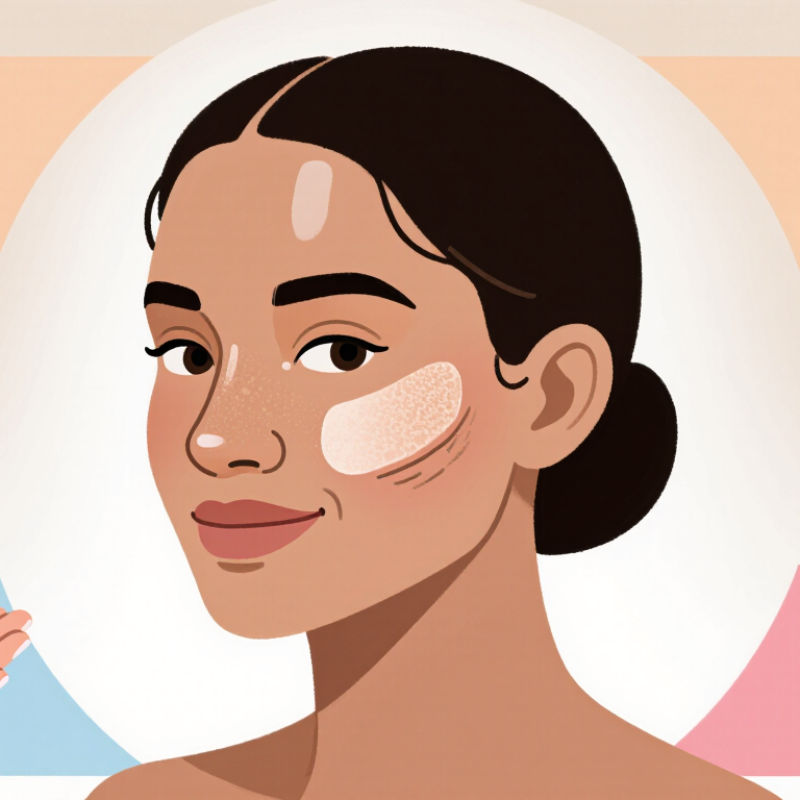
Why Does My Foundation Look Cakey 7 Tips to Fix It?

Time:2026-10-08 Author:Liam
0%

Why does my foundation look cakey? The answer is rarely just the foundation itself. Uneven skin preparation, too much product, unsuitable formulas, and hurried application can all create a thick, cracked finish. Dry patches may appear around the nose, while excess foundation can settle into smile lines by lunchtime. Even a carefully matched shade may look heavy when applied over rich skincare that has not fully absorbed.

Professional makeup artist and educator Wayne Goss advises, “The key to a flawless foundation is to use less.” That simple idea deserves attention. A thin layer usually looks more realistic than repeated coverage, especially in natural daylight. Still, “less” does not mean careless. Skin texture, humidity, application tools, and foundation ingredients also matter. A damp sponge can soften visible edges, while a clean brush may provide more controlled coverage around the cheeks and chin.

This guide explores seven practical ways to fix a cakey base. You will learn how to prepare dry skin, choose a compatible formula, control product quantity, and blend troublesome areas. The process is not always perfect. Sometimes a foundation fails because the formula clashes with your moisturizer. Sometimes the real issue is an old sponge. Check the texture closely. Look near a window. Then adjust one step at a time, instead of adding more product and hoping it improves.

Why Does My Foundation Look Cakey 7 Tips to Fix It?

What Makes Foundation Look Cakey?

Foundation looks cakey when the skin, product, and application method disagree. Dry patches absorb moisture unevenly, while excess oil breaks down pigment around the nose and forehead. Dead skin cells can also create tiny ridges, making coverage appear thick. Mintel’s 2024 Global Beauty and Personal Care Trends report highlights growing demand for makeup with skincare benefits, but “skin-like” claims cannot replace proper skin preparation.

Start with gentle cleansing, then apply a lightweight moisturizer to slightly damp skin. Wait several minutes. Add a thin layer of smoothing primer only where texture is visible. Use less foundation than expected, spreading it from the center of the face outward. A damp sponge can soften edges, while a small brush offers better control around the nostrils. Avoid rubbing over dry areas.

Seven practical fixes help: exfoliate gently, moisturize, allow layers to settle, use less foundation, press instead of drag, powder only oily zones, and refresh with a fine mist. According to Circana’s 2024 U.S. beauty market reporting, complexion products remain a significant makeup category, increasing the pressure for flawless results. Yet flawless skin is not always realistic.

I used to blame the formula. That was lazy. Sometimes the real problem was applying three layers to hide one small blemish. Heavy coverage often magnifies texture instead of correcting it.

How Skin Type and Preparation Affect Foundation Texture

Why Does My Foundation Look Cakey? 7 Tips to Fix It

Foundation texture often reflects your skin type more than the formula itself. Dry or dehydrated skin can make makeup cling to flaky areas. Oily skin may break foundation apart around the nose and forehead. Combination skin needs different preparation across the face. I learned this after repeatedly adding foundation to dry patches. More product only made the texture louder.

Start with a gentle cleanse, then apply a lightweight moisturizer suited to your skin. Give it time. Wait several minutes before makeup, so skincare can settle instead of mixing with foundation. Use sunscreen during the day, but avoid applying a thick, slippery layer. If your skin feels tight, add hydration rather than rubbing harder. Exfoliate carefully and infrequently; over-exfoliation can increase irritation and visible dryness. I used to exfoliate before every event, and that clearly backfired.

Apply a small amount of foundation from the center of the face outward. Thin layers usually look more natural than one heavy coat. Press with a slightly damp sponge or use a clean brush with gentle strokes. Avoid dragging over flaky skin. Choose powder only where shine appears, such as the sides of the nose. Blot excess oil first. If creasing continues, check whether your moisturizer, sunscreen, and foundation have conflicting textures. Skin changes with weather, stress, and hormones, so one routine may not work every day. Note what happens after a few hours, not just in the mirror.

How to Apply Foundation for a Smoother, More Natural Finish

Why Does My Foundation Look Cakey 7 Tips to Fix It?

A smoother finish begins before foundation touches your skin. Cleanse gently, then apply a lightweight moisturizer to dry areas. Wait several minutes before adding makeup. I often rush this step, and the base can separate around my nose. Skin preparation matters more than applying extra product.

Use a small amount of foundation and build coverage slowly. Seven practical adjustments can help: choose a formula suited to your skin, match your shade in natural light, warm the product on your hand, and apply thin layers. Press foundation with a damp sponge instead of dragging it across the skin. Use a brush only where you need more coverage. Keep powder away from dry cheeks, and set only oily areas. Finally, mist lightly if the surface looks too powdery.

Check your face near a window. Bright bathroom lighting can hide uneven texture. If foundation gathers in fine lines, remove excess with a clean cotton swab before pressing the area smooth. Avoid rubbing, especially around the eyes and nose. I still sometimes apply too much around blemishes, expecting fuller coverage to look better. It usually looks heavier. A small concealer brush gives more control, while a thin foundation layer keeps the surrounding skin natural. Allow each layer to settle. Be patient.

Why Does My Foundation Look Cakey? 7 Tips to Fix It — How to Apply Foundation for a Smoother, More Natural Finish
Tip Common Cakey-Finish Problem Likely Cause How to Fix It Application Technique Expected Result
1 Foundation clings to dry patches or flakes around the nose, cheeks, or mouth. Dehydrated surface skin, visible flakes, or insufficient skin preparation. Gently cleanse, apply a lightweight moisturizer, and allow it to absorb before makeup. Avoid scrubbing immediately before application. Press moisturizer into the skin rather than rubbing aggressively. Apply foundation only after the surface feels comfortable, not wet. Smoother texture with less patchiness
2 Makeup separates, slides, or becomes thick in some areas. Skincare or sunscreen has not settled, or too many products were layered underneath. Use thinner skincare layers and give each layer time to settle. If the skin still feels slippery, gently press away excess with a clean tissue. Apply foundation in thin sections instead of covering the entire face with a large amount at once. Better adhesion and more even coverage
3 Foundation looks heavy even though the shade matches. Too much product or several full-coverage layers have been applied. Start with a small amount and build only where additional coverage is needed. Let the first thin layer settle before adding more. Place most of the product where redness or discoloration is strongest, then blend outward with the remaining product. More natural coverage without a mask-like appearance
4 Visible streaks or uneven areas appear after application. The tool is dragging the product, or the foundation is drying before it is blended. Work in small sections and use a clean, suitable tool. If using a sponge, dampen it and squeeze out excess water before use. Use tapping or pressing motions with a sponge, or short buffing motions with a brush. Avoid repeatedly brushing over areas that have already set. More uniform, blended coverage
5 Foundation settles into pores, fine lines, or expression lines. Excess product has collected in textured areas, often made more noticeable by heavy powder. Use a thin layer, remove excess from creases with a clean fingertip or small brush, and powder only where needed. Press foundation into textured areas, then lightly tap over them to remove buildup before setting. Less visible buildup in textured areas
6 The T-zone becomes shiny while the cheeks look thick or dry. Different areas of the face have different oil and moisture levels, but the same amount of product was applied everywhere. Use lighter coverage on dry areas and set only the areas that become oily. Blot excess oil before adding any powder. Apply foundation from the center of the face outward, using less product near the cheeks and jawline. More balanced finish across the face
7 The finished makeup looks powdery, flat, or obviously layered. Too much setting powder or a dry formula has removed the skin's natural dimension. Use a small amount of finely milled powder only where necessary. Lightly mist with a setting spray if appropriate, then allow the makeup to settle without touching it. Press powder onto oily areas instead of sweeping it over the entire face. Remove visible excess with a clean, soft brush. A softer, more skin-like finish

Seven Practical Ways to Fix Cakey Foundation

Cakey foundation usually reflects excess product, dry texture, or poor preparation. Circana reported that U.S. prestige makeup sales increased 15% in 2023, making application technique increasingly important. The following seven practical ways can create a smoother finish.

Cleanse gently before makeup. Residue and oil can make foundation separate. Apply a lightweight moisturizer to slightly damp skin, as the American Academy of Dermatology recommends. Wait five minutes. Gently smooth flaky areas with a soft, damp cloth, but avoid harsh scrubbing. Over-exfoliation can increase visible dryness. Choose a foundation texture that suits your skin; drier skin often benefits from flexible, hydrating formulas. Use less product. A thin layer around the nose and mouth usually looks more natural than heavy coverage. Press foundation into the skin with a damp sponge or clean fingertips, rather than dragging it across the face. Build coverage only where redness remains.

Set strategically. Use a small brush and apply powder only to the forehead, nose, and chin. Blot excess shine first. Too much powder can turn fine lines into sharp, dry-looking creases. Circana’s 2023 makeup data also reflects strong demand for complexion products, but popularity does not guarantee a flawless result. I sometimes use too much coverage when a small blemish feels obvious. It looks worse in daylight. Check your base beside a window, then remove a little product if the texture still appears heavy.

How to Prevent Foundation from Looking Cakey Again

Why Does My Foundation Look Cakey? 7 Tips to Fix It

How to Prevent Foundation from Looking Cakey Again

Cakey foundation usually begins before makeup touches your face. Dry flakes, excess skincare, and incompatible textures can create visible layers. The American Academy of Dermatology Association recommends applying moisturizer while skin remains slightly damp. This helps reduce surface dryness. Wait five minutes before makeup. Let it settle. I often skipped this step, then blamed the foundation.

Use a gentle cleanser, followed by a lightweight moisturizer suited to your skin type. Apply sunscreen separately, since the U.S. Food and Drug Administration recommends broad-spectrum SPF 30 or higher. Allow it to dry fully. A 2024 Circana beauty report showed continued consumer demand for natural-looking complexion products. That trend makes skin preparation more important, because heavy layers reveal texture quickly. Avoid rubbing. Press products into the skin instead.

Choose a thin foundation layer and build coverage only where redness appears. A damp sponge can remove excess product around the nose and mouth. Clean it regularly, since product buildup changes application. The American Academy of Dermatology advises washing makeup tools every seven to ten days. That schedule is easy to forget. I sometimes over-powder my forehead, especially under bright lights, and the result looks worse later. Use a small brush for targeted powder. Leave flexible areas nearly bare. Less is kinder. Reassess the finish after ten minutes, not immediately after application.

FAQS

Why does foundation look cakey?

Dry flakes, excess oil, and too much product can create a thick, uneven finish. Texture becomes more visible under bright light.

How should I prepare my skin before applying foundation?

Cleanse gently and apply lightweight moisturizer to slightly damp skin. Wait about five minutes before adding makeup.

Should I exfoliate before foundation?

Gently smooth flaky areas with a soft, damp cloth. Avoid harsh scrubbing, because over-exfoliation may increase dryness.

How much foundation should I use?

Start with a thin layer across the face. Add coverage only where redness or a blemish remains.

What application method helps prevent a cakey finish?

Press foundation into the skin with a damp sponge or clean fingertips. Do not drag it across dry patches.

Where should I apply powder?

Powder only oilier zones, such as the forehead, nose, and chin. Leave flexible areas nearly bare.

What can I do when foundation looks heavy around my nose?

Use a small brush or damp sponge to remove excess product. A fine mist can soften the finish later.

How can I check whether my makeup looks natural?

Wait ten minutes, then inspect your face beside a window. I sometimes blame the formula, but three layers may be the real problem.

How often should makeup tools be cleaned?

Wash sponges and brushes every seven to ten days. Product buildup can make application uneven and less hygienic.

Conclusion

If you have ever wondered, “why does my foundation look cakey,” the answer may be linked to dry skin, excess oil, uneven application, or using too much product. Foundation can emphasize flakes, settle into pores and fine lines, or appear heavy when the skin is not properly prepared. Skin type also matters: dry skin needs hydration, while oily skin benefits from balanced moisture and controlled shine. A smooth, natural finish begins with clean, moisturized skin and a thin, evenly applied layer of foundation.

This guide shares seven practical ways to fix cakey foundation, including preparing the skin, using less product, applying it in light layers, blending carefully, and removing excess with a damp sponge. Lightly setting only the areas that need it can also prevent a thick appearance. To avoid cakiness in the future, choose products suited to your skin type, allow skincare to absorb, avoid mixing too many layers, and touch up gently instead of repeatedly adding foundation.

Liam

Liam

Liam is a dedicated marketing professional with a profound expertise in the industry, where he excels at highlighting the unique advantages of our core products. With a keen understanding of market trends and consumer needs, Liam frequently updates our company’s professional blog, providing......