Understanding why does my foundation look cakey is crucial for achieving flawless makeup. According to a report by the American Academy of Dermatology, over 30% of women experience issues with makeup application. This leads to frustration and disappointment. As makeup artist Lisa Eldridge notes, “Cakey foundation can strip away your natural glow and create an unnatural finish.”
One common reason for cakey appearance is improper skin preparation. Many neglect to moisturize or prime, which are vital steps. The skin's texture plays a significant role too. Uneven skin can amplify the issue. Furthermore, heavy-handed application or choosing the wrong formula can cause your makeup to sit awkwardly on the skin.
To address the question of why does my foundation look cakey, consider your technique and products. Using a damp sponge or brush can help blend foundation better. Experimenting with lighter formulas may also yield better results. Reflection on personal application habits can elevate your makeup game. Each attempt brings a lesson—embracing these challenges enables beauty growth.
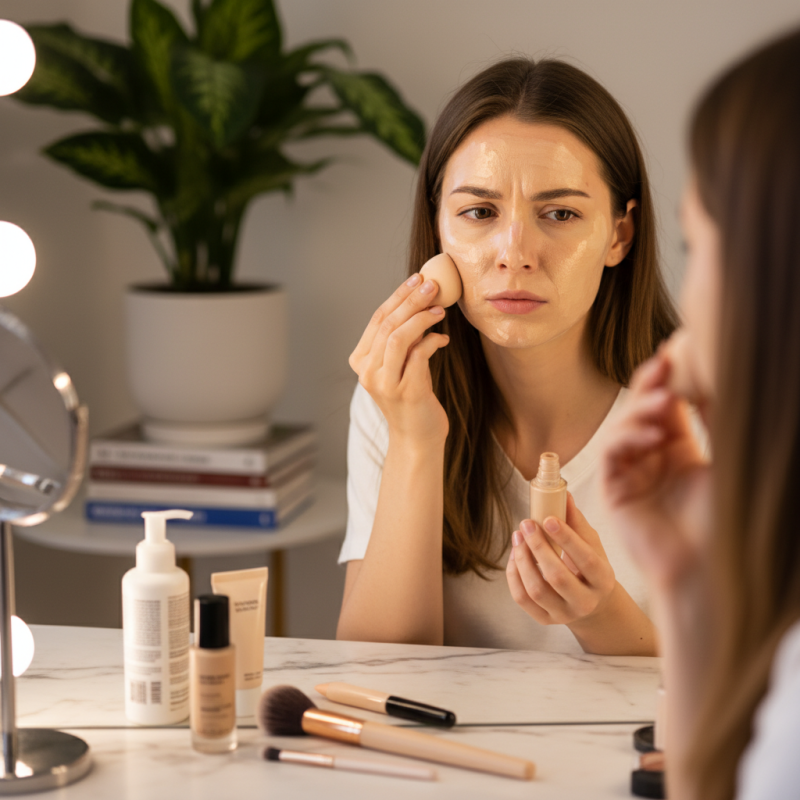
Cakey foundation often stems from several common issues during application. One primary cause is inadequate skin preparation. If the skin is not properly moisturized, foundation can cling to dry patches. This leads to an uneven and flakey appearance. Exfoliating regularly can help prevent dead skin buildup, which also contributes to a cakey look.
Another factor is the choice of foundation formula. A thick or matte formula might not blend well, especially on drier skin types. Over-applying product often worsens the issue, as more layers can emphasize texture. It’s important to apply foundation sparingly. Light layers allow for better blending and a more natural finish. Testing different techniques can reveal what works best for your unique skin type.
Environmental factors play a role too. Humidity can cause products to break down, leading to a cakey appearance. Keep that in mind when choosing your makeup routine for the day. Often, trial and error is necessary to find the perfect balance between product, technique, and environment. Reflecting on your application process can yield improvements. Aim for a flawless look by embracing these principles.
| Cause | Description | Solution |
|---|---|---|
| Insufficient Hydration | When the skin is dry, foundation can cling to dry patches. | Use a hydrating moisturizer before applying foundation. |
| Too Much Product | Applying excessive amounts of foundation can lead to a thick, cakey appearance. | Apply foundation in thin layers, building up coverage as needed. |
| Wrong Formula | Using a foundation that doesn't suit your skin type can cause issues. | Choose a foundation formula that aligns with your skin type (e.g., matte for oily skin, dewy for dry skin). |
| Improper Tools | Using the wrong brush or sponge can lead to uneven application. | Use a damp beauty sponge or a brush designed for liquid foundations. |
| Lack of Setting | Not setting foundation can cause it to move and look uneven. | Finish your makeup with a setting powder or spray to lock everything in place. |
Applying foundation can be tricky. Many struggle with a cakey appearance. This often arises from several common mistakes. A report by the American Academy of Dermatology highlights that nearly 70% of people apply foundation incorrectly. These mistakes can lead to an unnatural look.
One mistake is not preparing the skin. Exfoliation and hydration are crucial. Using a primer can also help create a smooth surface. A study shows that 65% of make-up wearers skip primer, leading to uneven application. When foundation is placed on dry skin, it clings and appears heavy.
Tip: Always moisturize before makeup. This helps foundation blend seamlessly. Another common error is choosing the wrong shade. A mismatch can alter your entire look, making it appear unnatural. Make sure to test shades under natural light.
Review your application technique as well. Using the right tools is essential. Brushes, sponges, or fingers each offer different results. A survey from a beauty group found that 80% of users prefer sponges for a natural finish. Sometimes, less is more. Applying too much product exacerbates the issue. Aim for thin layers and build up coverage gradually.
Achieving a flawless foundation begins with effective skin prep. Proper skin care can reduce the chances of a cakey foundation. A study conducted by The Journal of Cosmetic Dermatology found that 70% of makeup wearers reconsider their foundation choices based on skin texture. Prepping your skin ensures a smooth canvas for makeup.
Exfoliation is essential. It removes dead skin cells and promotes even texture. According to a report from the American Academy of Dermatology, regular exfoliation can enhance product absorption by up to 50%. Hydration matters too. A moisturizer compatible with your skin type helps in creating a barrier that ensures foundation adherence without clinging to dry patches.
Taking a moment to assess your skin’s needs is crucial. Are you dealing with dryness or oiliness? This reflection can guide your product choices. A lightweight primer can provide a grip for foundation while allowing your skin to breathe. Even with the best techniques, imperfections may still occur. Identifying your unique skin concerns can make a significant difference in your overall look.
Choosing the right foundation formula can make a significant difference in your makeup routine. The texture and blendability of the foundation are essential. For a natural finish, opt for lightweight formulas like tinted moisturizers or BB creams. These options offer coverage without caking. If you need more coverage, consider a liquid foundation with a dewy or satin finish. These formulas typically provide a more skin-like appearance.
When selecting a foundation, skin type plays a crucial role. Oily skin types benefit from matte foundations that control shine. On the other hand, dry skin types should seek hydrating formulas. Pay attention to the ingredients. Foundations with moisturizing properties can prevent that dreaded cakey look. You may need to test several formulas to find the perfect match. It’s okay to experiment; finding the right one takes time and patience.
Skin tone is another vital factor. Choose shades that closely match your undertone. Warm, cool, or neutral undertones can affect how the foundation looks on your skin. Remember that lighting can also alter your foundation's appearance. Test the shade in natural light for the best evaluation. Don’t rush this process. Embrace the learning curve and enjoy the journey to flawless skin.
This chart displays the popularity of different foundation formulas based on their finish types. Matte foundations are the most popular, followed by dewy and satin finishes. Understanding these preferences can help you choose the right foundation to avoid a cakey look.
Achieving a natural finish with foundation often feels elusive. Many individuals find their makeup looking heavy or cakey due to improper application techniques. Research by the American Academy of Dermatology indicates that up to 70% of women experience issues with foundation settling into fine lines and dry patches. This highlights the significance of technique when applying foundation.
Using the right tools can make a significant difference. A damp makeup sponge can help apply foundation evenly, resulting in a more seamless finish. According to a survey by the Beauty Industry Research Institute, 65% of professionals recommend a damp sponge for liquid foundations over brushes. This method can minimize the appearance of cakeiness, distributing the product in a thin, buildable layer.
Skin preparation is equally important. Exfoliating regularly can remove dead skin cells, which often contribute to uneven texture. Additionally, a quality moisturizer tailored to one’s skin type creates a smooth canvas. A study from the Journal of Cosmetic Dermatology found that 80% of participants saw improved texture by incorporating a hydration routine. Being mindful of skin types and conditions can transform how makeup adheres and appears, leading to a more natural finish.
: Cakey foundation often results from inadequate skin preparation. Dry skin leads to uneven, flakey makeup.
Regular exfoliation and hydration are vital. Use a suitable moisturizer to avoid clinginess on dry patches.
Thick formulas may not blend well, especially on dry skin. Light layers help achieve a natural finish.
Humidity can break down makeup, leading to a cakey appearance. Adjust your routine accordingly.
Always test shades under natural light. A mismatch can make your makeup look unnatural.
Brushes, sponges, or fingers provide different results. Many prefer sponges for a natural look.
Yes, over-applying can worsen cakeyness. Aim for thin layers and build up coverage as needed.
Understanding your skin type helps guide product choices. Reflect on whether your skin is dry or oily.
Many users skip primer. This can lead to uneven application. A good primer creates a smooth surface.
Imperfections may still occur despite good techniques. Reflect and adjust your methods for improvement.
Understanding why does my foundation look cakey can be pivotal in achieving a flawless makeup application. Cakey foundation often results from common mistakes such as applying too much product, neglecting proper skin preparation, or choosing the wrong formula for your skin type. To avoid this, it’s essential to prepare your skin with moisturizers and primers that create a smooth canvas and to select a foundation that suits your specific needs.
Additionally, mastering application techniques can significantly influence the final look. For a natural finish, consider using tools like beauty sponges or brushes to blend the foundation evenly, and always build coverage gradually. By addressing these factors, you can enhance your makeup routine and ensure your foundation looks seamless rather than cakey.
