Clay masks remain popular in skincare routines, especially among people exploring China best clay masks made with kaolin, bentonite, or other mineral-rich ingredients. They can absorb excess oil, lift surface impurities, and leave skin feeling smoother. However, the right schedule depends on your skin type, the formula, and your daily environment.
So, how often should you use a clay mask? Most people can begin with once weekly. Oily or congested skin may tolerate two applications weekly, while dry, sensitive, or eczema-prone skin often needs less. Less can be better. A mask should feel mildly tightening, not painful, burning, or aggressively dry. If your cheeks feel rough afterward, your routine may be too frequent.
Apply a thin, even layer to clean skin, avoiding the eyes and lips. Do not wait until the mask cracks heavily across your face. Rinse with lukewarm water, then use a gentle moisturizer. This small step matters. Clay can remove oil, but it cannot replace hydration. Dermatology guidance generally supports patch testing new products, especially when fragrances, botanical extracts, or strong exfoliating ingredients are included. Results also vary between products labeled similarly. Some formulas are gentle; others are surprisingly intense.
There is no perfect schedule. Observe redness, tightness, flakes, and comfort over several weeks. If irritation continues, stop using the mask and seek professional advice. A careful routine may look less impressive, but healthier skin usually responds better to consistency than excess.
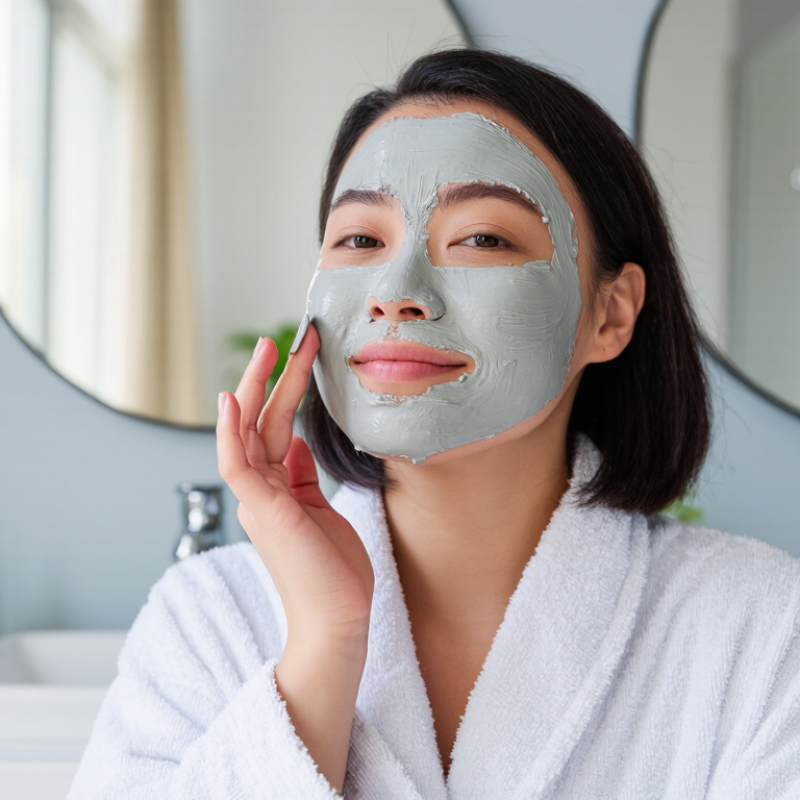
China Best Clay Masks: How Often Should You Use a Clay Mask?
Clay masks are topical skincare products made with absorbent minerals. Common examples include kaolin and bentonite. These ingredients can bind excess oil, sweat, and surface impurities. They may leave skin feeling cleaner and less shiny after rinsing. They do not pull toxins from the body. Think of them as temporary oil managers, not deep-cleaning magic.
How often should you use one? Oily, resilient skin may tolerate a clay mask once or twice weekly. Dry or sensitive skin often needs it every 10 to 14 days. Applying it only to the forehead, nose, and chin can reduce dryness. Keep the layer thin, and follow the product’s timing instructions. Five to ten minutes is often enough. Do not wait for the mask to crack completely. That tight feeling is not proof of better results.
I once left a clay mask on until it felt stiff and uncomfortable. My cheeks became flaky afterward. That was too long. Skin can be confusing. A patch test helps identify irritation before applying the mask widely. Avoid using it on broken, sunburned, or inflamed skin. Rinse gently with lukewarm water, then apply a simple moisturizer. If persistent acne, redness, or itching continues, a qualified dermatologist can assess the cause.
Choosing the best clay mask from China requires more than attractive packaging. Check the full ingredient list, manufacturing details, and product testing information. Kaolin often feels mild, while bentonite may absorb more oil and feel tighter. Mineral-rich clays can vary by source, so clear origin information matters. Look for batch numbers, usage directions, and responsible quality control. A reliable supplier should explain the clay type and suitable skin concerns without promising instant results.
For oily or combination skin, use a clay mask once or twice weekly. Dry or sensitive skin may need it only every ten to fourteen days. Apply a thin layer to clean, damp skin, and remove it before it becomes completely cracked. I once left a mask on too long, expecting better results. My cheeks felt tight for hours. That experience changed my routine. A slight tingling can occur, but burning or swelling means immediate removal. Patch testing remains sensible, even with familiar ingredients.
Tips: Choose a formula without heavy fragrance if your skin reacts easily. Avoid masks with unclear ingredient translations or missing manufacturing information. Moisturize afterward, especially around the nose and cheeks. Skin does not always need stronger cleansing. Sometimes, less works better.
Oily skin can usually tolerate a clay mask once or twice weekly. Apply a thin layer to the forehead, nose, and chin. These areas often feel shiny by afternoon. Combination skin needs a more selective routine. Use the mask on oily zones once weekly, but avoid dry cheeks. Normal skin may need clay only every seven to ten days. More frequent use is not automatically better.
Dry or sensitive skin should start every two weeks. Leave the mask on for five to eight minutes. Do not wait until it cracks completely. That tight, dusty feeling may signal excessive moisture loss. The American Academy of Dermatology reports that contact dermatitis affects about 15 million Americans each year, so patch testing matters. Test a small area near the jaw first. Stop if burning, swelling, or persistent redness appears. Clinical evidence supports clay’s oil-absorbing ability, but long-term facial benefits remain limited in dermatology reviews. That uncertainty deserves attention.
Tips: Mix the mask with water, not harsh acids. Rinse with lukewarm water, then apply a fragrance-free moisturizer. Avoid clay after shaving, exfoliating, or using retinoids. I have found that shorter contact time often works better than a perfectly dry mask. Skin changes with weather, stress, and medication, so adjust slowly.
How to Apply a Clay Mask Safely and Effectively
Clay masks can absorb surface oil, but they are not daily cleansers. The American Academy of Dermatology estimates that acne affects up to 50 million Americans annually. Many users therefore seek products for visible oil control. Still, more absorption does not mean better skin. I once left a mask until it fully cracked. My cheeks felt tight for hours. That was unnecessary.
Patch-test the formula behind your ear or on your jawline for 24 hours. The U.S. Food and Drug Administration notes that cosmetic ingredients can trigger irritation or allergic reactions. Apply a thin, even layer to clean, slightly damp skin. Avoid eyelids, lips, broken skin, and active rashes. Keep the mask on for five to ten minutes, or follow its tested instructions. Do not wait for dramatic cracking. Rinse with lukewarm water, using your fingertips rather than a rough cloth.
Once weekly suits many oily or combination skin types. Dry or sensitive skin may need every two weeks. Dermatology literature also warns that excessive cleansing can weaken the skin barrier. Stop immediately if burning, swelling, or persistent redness appears. Use a fragrance-free moisturizer afterward. Sunscreen matters the next morning. Results vary, and that is easy to forget. A clay mask may reduce shine temporarily, but it cannot replace acne treatment or professional diagnosis.
| Skin Type or Concern | Suggested Frequency | Recommended Application Area | How to Apply Safely | Typical Leave-On Time | Important Precautions |
|---|---|---|---|---|---|
| Oily Skin | Once or twice weekly | Forehead, nose, chin, and other visibly oily areas | Apply an even, thin layer to clean, slightly damp skin. Avoid the eye and lip areas. | Follow the product instructions; commonly about 5–10 minutes | Do not use more often simply to control oil, as overuse may cause dryness and irritation. |
| Combination Skin | Once weekly, with targeted use as needed | Use mainly on the T-zone; apply a gentler hydrating product to dry areas if needed | Use a smaller amount on oily zones and avoid applying a full-face layer when the cheeks feel dry. | About 5–10 minutes, or according to the label | Stop or reduce use if tightness, flaking, redness, or discomfort develops. |
| Normal Skin | Once every 1–2 weeks | Full face or selected areas, depending on the formula | Spread gently without rubbing. Keep the mask away from eyebrows, eyes, lips, and broken skin. | Usually 5–10 minutes | Regular moisturization after rinsing helps support the skin barrier. |
| Dry or Dehydrated Skin | About once every 2–4 weeks, or avoid if uncomfortable | Prefer limited, targeted application rather than a full-face application | Choose a suitable formula and remove it before the skin becomes excessively tight or fully cracked. | Use the shortest time stated on the product instructions | Apply moisturizer afterward. Avoid using on actively peeling or irritated areas. |
| Sensitive or Reactive Skin | Infrequently, only if well tolerated | Small, non-irritated areas first | Perform a patch test before wider use. Apply a thin layer and rinse immediately if burning or strong stinging occurs. | Begin with a short application time based on the label | Do not use on inflamed, sunburned, scratched, or damaged skin. |
| Acne-Prone Skin | Once weekly at most unless a dermatologist advises otherwise | Oily areas rather than the entire face | Use clean hands or a clean applicator. Apply without scrubbing or picking at blemishes. | Follow the product directions; avoid leaving it on longer for stronger results | Clay masks do not replace clinically appropriate acne treatment. Avoid combining with multiple irritating products. |
| Before Application | Not applicable | Clean face and clean hands | Remove makeup and surface oil with a gentle cleanser. Patch-test a new product, especially if skin is sensitive. | Not applicable | Do not apply immediately after shaving, waxing, strong exfoliation, or other procedures that may increase sensitivity. |
| During Application | Not applicable | Leave a small gap around the eyes, lips, nostrils, and hairline | Keep the layer thin and even. Do not wait for the mask to become hard, cracked, or painfully tight. | Never exceed the stated maximum time | Burning, swelling, intense itching, or worsening redness means the mask should be removed immediately. |
| After Application | Not applicable | Entire treated area | Rinse gently with lukewarm water and pat dry. Avoid scrubbing off residue. | Not applicable | Apply a simple moisturizer. Use daytime sun protection, particularly if the routine also includes exfoliating products. |
A clay mask can help absorb excess oil, but “more” does not mean better. For many oily or combination skin types, once weekly is enough. Dry or sensitive skin may tolerate it every two weeks, or not at all. Leave it on for the recommended time. Waiting until it cracks completely can increase dryness.
Watch your skin after each use. Persistent tightness, stinging, redness, flaking, or rough patches suggests your routine is too strong. Stop for several days. Use a gentle cleanser and a plain moisturizer instead. If your face becomes shinier soon after masking, your skin may be compensating for lost moisture. Reduce the frequency rather than applying another mask.
Breakouts also deserve careful attention. A few small spots may reflect irritation, not “purging,” since clay masks do not usually cause a true purging process. That distinction is easy to miss. Try using less product and avoiding active ingredients on the same day, such as exfoliating acids or retinoids. Patch testing remains sensible, especially with fragrance or botanical ingredients. If burning, swelling, or redness continues, seek advice from a qualified dermatologist. Skin routines are not fixed formulas; even a mask that worked last month may feel too drying after weather, medication, or stress changes.
Clay masks are generally used once a week for oily or combination skin and less often for dry or sensitive skin. Reduce the frequency if you notice tightness, redness, flaking, burning, or increased irritation.
Once or twice weekly usually works. Apply a thin layer to the forehead, nose, and chin. These areas often look shiny by afternoon. More frequent use may cause dryness.
Use it once weekly on oily zones only. Avoid the cheeks if they feel dry or tight. Selective application works better than covering the whole face.
Start once every two weeks. Leave it on for five to eight minutes. Do not wait for complete cracking. That dusty tightness may signal moisture loss.
Not necessarily. Every seven to ten days may be enough. More use is not automatically better. Watch how your skin responds.
Apply a small amount behind the ear or near the jaw. Leave it for 24 hours. Stop if burning, swelling, or lasting redness appears. Patch testing feels slow, but it matters.
Cleanse first, then apply a thin layer to slightly damp skin. Avoid eyelids, lips, broken skin, and active rashes. Keep it on for five to ten minutes. Rinse with lukewarm water and fingertips.
Avoid using it after shaving, exfoliating, or applying retinoids. Do not mix it with harsh acids. Irritation can build quietly. I once left a mask until it cracked, and my cheeks felt tight for hours.
Apply a fragrance-free moisturizer immediately. Use sunscreen the next morning. A clay mask may reduce shine temporarily, but it cannot replace acne treatment or professional advice. Results vary, and that is easy to forget.
Clay masks are skincare treatments designed to absorb excess oil, remove surface impurities, and leave the skin feeling cleaner and smoother. When choosing the best clay mask from China, consider your skin type, ingredient quality, texture, and whether the formula includes gentle, skin-supporting components. Avoid selecting a product based only on its color or marketing claims; a suitable formula should feel comfortable and match your personal skincare needs.
The answer to “how often should you use a clay mask” depends on your skin type and the mask’s strength. Oily skin may tolerate it once or twice a week, while combination skin can focus on areas that become shiny. Normal skin may need it about once weekly, and dry or sensitive skin may benefit from every two weeks or occasional use. Apply a thin, even layer to clean, dry skin, avoid the eye and lip areas, and rinse before the mask becomes uncomfortably tight. If you notice persistent dryness, redness, itching, or breakouts, reduce frequency or stop using it.
