What is the Difference Between Physical and Chemical Sunscreen?

Time:2026-06-22 Author:Mason
0%

Sunscreens are vital for skin protection, but many consumers remain confused about their types. Particularly, the question arises: what is the difference between physical and chemical sunscreen? According to a report from the Skin Cancer Foundation, one in five Americans will develop skin cancer in their lifetime. This statistic underscores the importance of choosing the right sunscreen.

Physical sunscreens contain active mineral ingredients, like zinc oxide or titanium dioxide. They work by sitting on the skin's surface to block UV rays. A study highlighted in the Journal of Cosmetic Dermatology shows that physical sunscreens offer immediate protection upon application. Conversely, chemical sunscreens absorb UV radiation and convert it into heat. This process can sometimes lead to skin irritation, especially for sensitive skin types, as noted in research published in the International Journal of Cosmetic Science.

Overall, understanding these differences is crucial for effective sun safety. While physical sunscreens are often recommended for children and sensitive skin, chemical sunscreens can be favored for their lightweight feel. Consumers must reflect on their skin type and needs when selecting a sunscreen. Identifying what is the difference between physical and chemical sunscreen will empower them to make informed decisions.
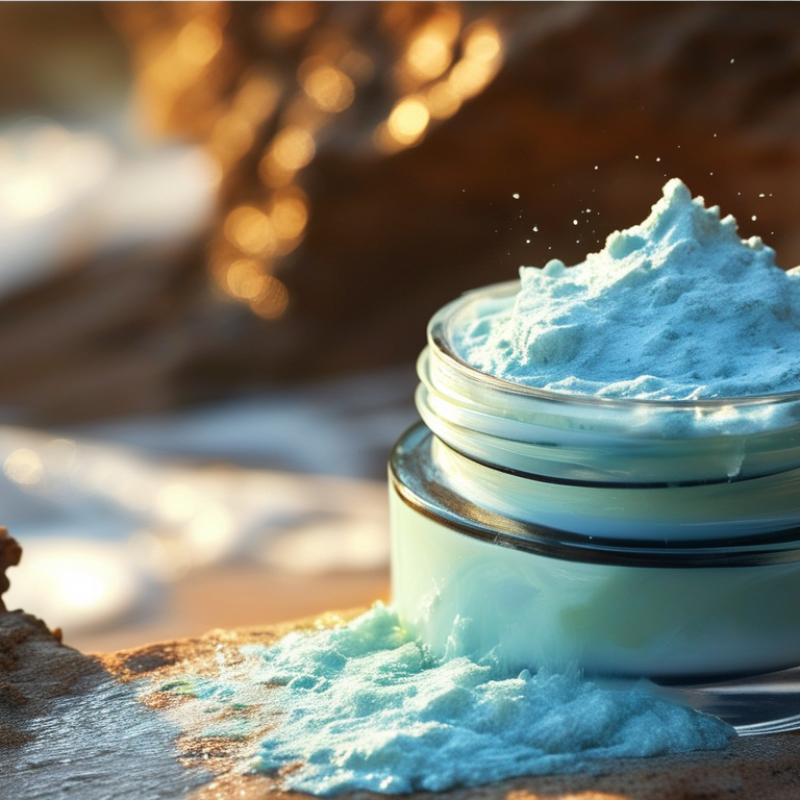
What is the Difference Between Physical and Chemical Sunscreen?

Understanding the Basics of Sunscreens: Physical vs. Chemical

Sunscreens are essential for skin protection. However, not all sunscreens work the same way. Understanding the difference between physical and chemical sunscreens is crucial for making informed choices.

Physical sunscreen contains mineral ingredients like zinc oxide or titanium dioxide. These minerals sit on the skin’s surface and reflect UV rays. They start working immediately upon application. This type is often recommended for sensitive skin. However, it can leave a white cast and may feel heavier on the skin. Some users dislike the texture and appearance.

Chemical sunscreen, on the other hand, absorbs UV rays into the skin. It usually includes compounds like avobenzone or octisalate. It tends to have a lighter feel and is usually more cosmetically elegant. However, it can take about 20 minutes to become effective. Some individuals may experience irritation or allergic reactions. Finding the right type often requires trial and error. Both options offer protection, yet personal preferences and skin types matter significantly. Balancing effectiveness and comfort can be challenging.

What is the Difference Between Physical and Chemical Sunscreen?

Type of Sunscreen Active Ingredients How it Works Skin Type Suitability Application Duration of Protection
Physical Sunscreen Zinc Oxide, Titanium Dioxide Sits on top of the skin and reflects UV rays Good for sensitive skin Apply 15 minutes before sun exposure Lasts longer, may require less frequent reapplication
Chemical Sunscreen Avobenzone, Octisalate, Octocrylene Absorbs UV radiation and transforms it into heat Can irritate sensitive skin Apply 30 minutes before sun exposure May require more frequent reapplication

Mechanism of Action: How Physical Sunscreens Work

Physical sunscreens work by forming a barrier on the skin that reflects and scatters UV rays. This type of sunscreen usually contains mineral ingredients like zinc oxide or titanium dioxide. These ingredients sit on the skin's surface, acting as a shield. They do not absorb into the skin, which distinguishes them from chemical sunscreens.

When applying physical sunscreen, the amount used can impact effectiveness. Most people underestimate how much is needed. A thin layer can mean less protection. It's important to apply it generously and evenly to ensure full coverage. This application method may feel heavy to some. Users often find it leaves a white cast, which can be a downside. However, many appreciate the immediate protection it offers.

Physical sunscreen begins working the moment it is applied, unlike its chemical counterparts, which require time to absorb. For those with sensitive skin, this type is often less irritating. Yet, finding the right formula can take time and testing. Everyone’s skin is different, and what works for one may not work for another. Consideration of texture and finish is vital for a pleasant user experience.

Mechanism of Action: How Chemical Sunscreens Work

Chemical sunscreens function through a complex mechanism that involves absorbing UV radiation. These products often contain organic compounds that interact with sunlight. When applied to the skin, they penetrate and absorb harmful rays, transforming them into heat. This heat is then released from the skin, helping to prevent sunburn and skin damage.

The effectiveness of chemical sunscreens hinges on their specific ingredients, such as avobenzone or octisalate. These molecules absorb light across various UV wavelengths. However, not everyone reacts the same way to these ingredients. Some individuals may experience irritation or allergic reactions. It’s crucial to read labels and conduct patch tests if you have sensitive skin.

While chemical sunscreens offer convenience, they also raise some concerns. The environmental impact is still a topic of debate. Certain chemicals may cause harm to marine life. This has prompted discussions about the balance between skin protection and ecological integrity. Additionally, the need for reapplication every two hours can be a hassle. The simplicity of application does not negate the complexity of choosing the right product for your skin type.

Efficacy Comparison: SPF Ratings and Protection Spectrum

When comparing physical and chemical sunscreens, understanding their differences in SPF effectiveness is crucial. Physical sunscreens work by creating a barrier that reflects UV rays. They often have SPF ratings that indicate their ability to block UVB rays, important for preventing sunburn. On the other hand, chemical sunscreens absorb UV rays. Their SPF ratings depend on their ability to transform UV radiation into heat, which the skin can then release.

Efficacy can vary significantly between the two types. Studies suggest that traditional chemical sunscreens provide broad-spectrum protection. However, some formulations may lack certain protective elements. Physical sunscreens generally provide immediate protection but may leave a visible residue on darker skin tones. Users often express concern about application frequency and reapplication methods.

It's essential to consider personal skin types and preferences when choosing a sunscreen. Experimenting with different types can lead to better protection suited to individual needs. The pursuit of perfect UV protection requires continuous learning and might not yield flawless results for everyone. Balancing efficacy with comfort often leads to a more satisfactory experience in sun care.

Skin Compatibility: Sensitivities and Allergic Reactions to Formulations

Sunscreens are vital for skin protection, but they can cause sensitivities in some individuals. Understanding the differences between physical and chemical sunscreens is crucial for addressing potential allergic reactions. A recent report from the American Academy of Dermatology indicates that approximately 10% of individuals experience reactions to chemical sunscreen formulations.

Chemical sunscreens work by absorbing UV radiation, while physical sunscreens reflect it. Some people may find chemical ingredients irritating. Common irritants include oxybenzone and avobenzone. These ingredients can lead to redness, rashes, or hives for sensitive skin. In contrast, physical sunscreens with zinc oxide or titanium dioxide are often recommended for those prone to allergies.

When choosing a sunscreen, consider patch testing first. Apply a small amount on your inner arm and observe for any adverse reactions. Look for formulas labeled as "hypoallergenic" or "fragrance-free" to minimize the risk of irritation. Always consult a dermatologist if uncertain about suitable products. A focused approach to sunscreen selection will help in achieving both protection and skin comfort.

Environmental Impact: Biodegradability and Marine Safety Concerns

Sunscreens are essential for skin protection, but their environmental impact warrants attention. Physical sunscreens contain minerals that sit on the skin's surface, while chemical sunscreens absorb UV radiation. When evaluating their effects on marine life, biodegradable options in physical formulations appear less harmful. Traditional chemical sunscreens may contain ingredients that disrupt aquatic ecosystems.

Concerns arise when certain chemicals wash off into oceans. Some studies indicate these substances can harm coral reefs. Coral bleaching is a significant issue linked to these formulations. Physical options, being more biodegradable, might reduce the risk. However, not all physical sunscreens are created equal; some still contain non-biodegradable components.

Choosing a sunscreen requires careful consideration. Effective protection for your skin should not compromise marine safety. It is a challenge to find formulas that balance efficacy and environmental responsibility. Research continues to evolve, revealing the depths of these issues. Awareness can lead to informed choices, impacting both personal health and the planet.

FAQS

: How do physical sunscreens work?

: They form a barrier on the skin that reflects and scatters UV rays.

What ingredients are commonly found in physical sunscreens?

They usually contain mineral ingredients like zinc oxide or titanium dioxide.

Why is the application amount important for effectiveness?

A thin layer can mean less protection. Generous application ensures better coverage.

Why might users find physical sunscreens uncomfortable?

They can feel heavy and leave a white cast on the skin.

How quickly do physical sunscreens offer protection?

They begin working immediately upon application, unlike chemical sunscreens.

What should people with sensitive skin consider?

They often find physical sunscreens less irritating, but testing is important.

What are the active mechanisms of chemical sunscreens?

They absorb UV radiation and convert it into heat, which is released from the skin.

What common irritants are in chemical sunscreens?

Ingredients like oxybenzone and avobenzone may cause redness or rashes.

How can one minimize the risk of an allergic reaction?

Conduct patch testing or choose hypoallergenic and fragrance-free products.

What environmental concerns surround chemical sunscreens?

Certain ingredients can harm marine life, raising ecological concerns.

Conclusion

When exploring "what is the difference between physical and chemical sunscreen," it is essential to understand their fundamental characteristics and mechanisms of action. Physical sunscreens contain mineral ingredients like zinc oxide or titanium dioxide that act as a physical barrier, reflecting and scattering UV rays away from the skin. In contrast, chemical sunscreens absorb UV radiation through synthetic compounds and convert it into heat, which then gets released from the skin.

The efficacy of both types is often measured by SPF ratings, indicating their protective capabilities against sunlight. However, skin compatibility can vary, with some individuals experiencing sensitivities or allergic reactions to certain formulations. Additionally, environmental concerns regarding biodegradability and marine safety have emerged, particularly with chemical sunscreen ingredients impacting aquatic ecosystems. Understanding these differences can help consumers make informed choices about their sun protection methods.

Mason

Mason

Mason is a seasoned marketing professional with a deep expertise in the company's offerings and a passion for driving brand awareness. With a strong background in digital marketing strategies, he has an innate ability to connect with diverse audiences and effectively communicate product benefits.......