In today's fast-paced world, self-care has become essential. Many seek ways to relieve stress and enhance well-being. One popular method is learning how to do a spa facial at home. This practice allows individuals to enjoy the benefits of a facial without spending on expensive spa services.
Creating a spa-like experience at home can seem overwhelming. However, with the right tips, it becomes manageable. You might wonder if you can achieve professional results. The answer lies in understanding your skin type and using suitable products. Focus on cleanliness and relaxation.
Incorporating simple techniques can elevate your skincare routine. Yet, mistakes may occur. Perhaps you used too much product or rushed the process. Reflect on these hiccups; they can lead to better results next time. Embrace the journey of self-improvement in your facial regimen. With patience and practice, the dream of a rejuvenating spa experience can be closer than you think.
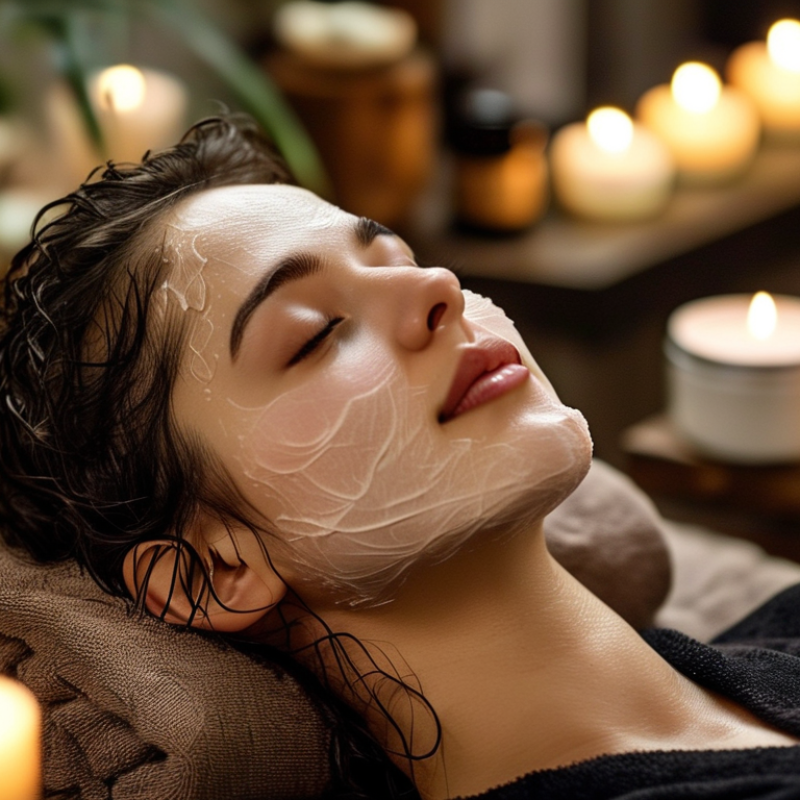
Home facials can be a delightful treat for your skin. They provide various benefits that improve skin health. Statistics show that regular at-home facials can increase hydration levels significantly. A good facial can also boost circulation, promoting a natural glow. Many people underestimate the power of self-care in daily routines. Yet, a simple ritual can contribute to long-lasting beauty and well-being.
Skin health is intricately linked to our overall lifestyle. Studies indicate that stress can exacerbate skin issues. By taking time for a facial, you create a calming experience. This can help reduce stress levels. However, achieving the perfect facial at home does take practice. It may require experimenting to find what works best for your skin type. Not every DIY recipe may yield desired results. Sometimes, it can lead to frustration rather than relaxation.
Nourishing your skin from the comfort of home doesn’t have to be daunting. Simple ingredients, like honey and yogurt, can hydrate and soothe the skin. However, be cautious with natural ingredients; not all are suitable for every skin type. Finding balance is vital. Learning through trial and error is part of the process. With time, you will discover what brings out your skin's natural beauty.
Creating a spa facial at home is not as daunting as it seems. To achieve the best results, you need some essential tools. First, a gentle cleanser is crucial for removing impurities. Choose one that suits your skin type. Next, having a good exfoliator helps to slough off dead skin cells. Look for products with natural ingredients for a soothing experience.
A facial steamer can elevate your at-home spa day. The steam opens up your pores, allowing for deeper cleansing. If you don’t have a steamer, boiling water in a bowl works too. Use a clean towel to trap the steam. After steaming, a quality face mask is essential. Try clay or hydrating masks based on your skin's needs. Remember to adjust the frequency of mask usage to avoid irritation.
Utilizing a jade roller or gua sha can enhance your facial routine. These tools promote circulation and lymphatic drainage. Always ensure they are clean before use. Additionally, don't forget about moisturizing afterward. Sometimes, people skip this step, thinking their skin doesn’t need it, but hydration is vital. Reflect on your routine and tweak it as needed. Finding the right balance may take time, but it’s worth it for glowing skin.
Creating a spa facial at home begins with effective skin preparation. Start by cleansing your face to remove makeup and dirt. Use a gentle cleanser suitable for your skin type. This initial step is crucial. It paves the way for better product absorption. After cleansing, take a moment to steam your face. If you don’t have a steamer, boil water and pour it into a bowl. Lean over it with a towel draped around your head. This will help open up your pores, allowing for deeper cleansing.
While the skin is still warm, it’s an ideal time to exfoliate. Choose a physical or chemical exfoliant, depending on your preference. Be mindful not to over-exfoliate. This can lead to irritation or dryness. Applying a mask is the next step. Select one that targets your skin concerns, such as hydration or oil control. After the mask, be sure to apply a nourishing serum. This helps to lock in moisture and enhances skin vitality. The result of properly preparing your skin will be more pronounced during the facial treatment. Take the time to enjoy each step, embrace the process, and reflect on what your skin needs.
When doing a spa facial at home, it's crucial to choose the right ingredients based on your skin type. Different skin concerns require tailored solutions for optimal results. For example, people with oily skin should look for products containing salicylic acid. This ingredient helps control excess oil and reduces breakouts, as reported by the Journal of Clinical Dermatology.
Dry skin has different needs. Hyaluronic acid can be a game-changer for hydration. A study in the Journal of Cosmetic Dermatology highlights that it effectively retains moisture. Incorporating aloe vera gel into your routine can also boost hydration levels. Consider using it to soothe and restore your skin’s moisture barrier.
Here's a quick tip: always perform a patch test when trying new products. Even natural ingredients can provoke reactions. Observe your skin for 24 hours to avoid unpleasant surprises. The key is to find what works best for you. Finally, remember to regularly assess your skin's needs. Changes in climate or lifestyle can affect how your skin reacts to products. Embrace the journey of discovering what makes your skin feel its best.
Post-facial care is essential in maintaining the results of your home spa facial. According to a report by the American Academy of Dermatology, hydration plays a crucial role in skin health, with about 60% of skin aging attributed to moisture loss. Therefore, following a facial, ensuring your skin stays hydrated is vital. Use a gentle moisturizer to lock in moisture right after your treatment. Look for ingredients like hyaluronic acid, which can retain up to 1,000 times its weight in water.
For the best outcomes, you should also avoid harsh products for at least 24 hours after your facial. Your skin needs time to recover and recalibrate. Instead, focus on soothing products. Aloe vera and chamomile are great options due to their calming effects. Daily hydration and consistent use of sunscreen are non-negotiable practices. Research indicates that UV damage can negate the benefits of your facial.
Sometimes, it’s easy to overlook the simple things. Regularly reapplying moisturizer throughout the day can greatly improve hydration levels. Drinking enough water—at least eight glasses daily—also helps. Many people forget to check their water intake, which can lead to dry skin. Reflect on your habits. Are you doing enough to maintain that post-facial glow? Small adjustments can make a significant difference.
| Tip Number | Spa Facial Tip | Post-Facial Care | Hydration Best Practices |
|---|---|---|---|
| 1 | Cleanse your skin thoroughly | Avoid makeup for at least 24 hours | Drink plenty of water |
| 2 | Exfoliate gently | Use a soothing toner | Use a humidifier in your room |
| 3 | Steam your face to open pores | Keep skin moisturized with cream | Apply hydrating masks regularly |
| 4 | Apply a facial mask suited to your skin | Avoid sun exposure | Moisturize twice daily |
| 5 | Gently massage your face | Incorporate serums into your routine | Limit caffeine intake |
| 6 | Apply moisturizer to lock in hydration | Use sunscreen for protection | Eat fruits high in water content |
| 7 | Use a jade roller for lymphatic drainage | Keep your skin-care tools clean | Opt for hydrating foods |
| 8 | Focus on problem areas | Don’t skip your nightly routine | Increase omega-3 fatty acids |
| 9 | Finish with a hydrating mist | Regularly assess your skin's needs | Apply lotion right after showering |
| 10 | Enjoy some relaxation time | Stay consistent with your routine | Avoid hot showers |
: Home facials improve skin health by increasing hydration, boosting circulation, and promoting a natural glow.
Taking time for a facial creates a calming experience that helps reduce stress levels significantly.
Post-facial care maintains results and hydration, preventing moisture loss that can affect skin health.
Use a gentle moisturizer right after your facial to lock in moisture and support skin recovery.
Avoid harsh products for at least 24 hours. Opt for soothing options like aloe vera instead.
Reapply moisturizer throughout the day and drink at least eight glasses of water daily to maintain hydration.
Ingredients like hyaluronic acid can help retain moisture, making it ideal post-facial.
Not every DIY recipe works for all skin types. It can require some trial and error to find what suits you.
Consistent use of sunscreen is crucial, as UV damage can diminish the benefits of your facial.
Consider your hydration habits and daily skincare routine; small changes can yield significant improvements.
This article titled "10 Easy Tips on How to Do a Spa Facial at Home" provides a comprehensive guide for those interested in enhancing their skincare routine without the need for a professional spa visit. It begins by discussing the benefits of home facials, supported by skin health statistics that highlight their positive impact on complexion and well-being. Essential tools are then outlined, with expert recommendations that ensure a successful treatment experience.
Following this, a step-by-step guide is provided to help you prepare your skin effectively for a home facial treatment. The article also delves into key ingredients tailored for various skin types, offering professional insights to help readers select the best options for their unique needs. Finally, the importance of post-facial care is emphasized, presenting best practices to maintain results and ensure optimal skin hydration. This resource serves as a valuable tool for anyone looking to learn how to do a spa facial at home while promoting healthy skin.
