How to Fade Dark Spots and Hyperpigmentation Naturally?

Time:2026-07-30 Author:Sophia
0%

Dark spots and hyperpigmentation are common skin concerns that affect millions worldwide. Studies show that over 50% of women experience some form of hyperpigmentation. This can result from sun exposure, hormonal changes, or skin injuries. Understanding how to fade dark spots and hyperpigmentation naturally is essential for many seeking clearer, healthier skin.

Natural remedies often appeal due to their perceived safety and accessibility. Ingredients like vitamin C, licorice extract, and alpha arbutin have shown promising results in clinical studies. For instance, a report by the American Academy of Dermatology found that vitamin C can reduce melanin production effectively. However, results can vary significantly based on skin type and the severity of the pigmentation.

While many seek fast solutions, patience is crucial. Topical treatments may take weeks to show results. Moreover, not all natural solutions are foolproof or universally effective. Some individuals might face skin irritation or allergies. It highlights the need for a thoughtful approach to how to fade dark spots and hyperpigmentation. Navigating this journey requires awareness and understanding, both for optimal skin health and realistic expectations.
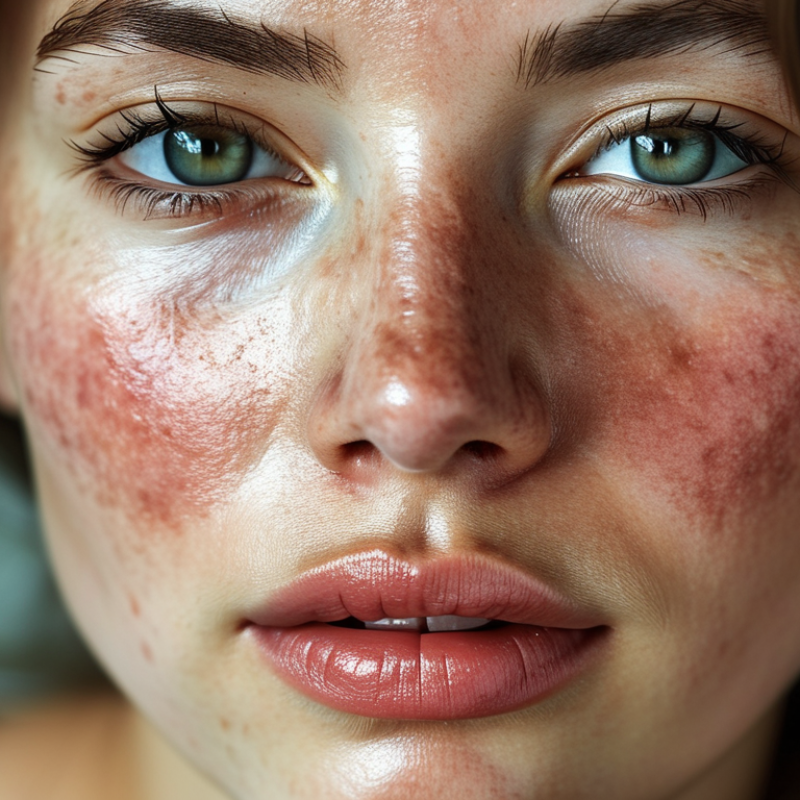
How to Fade Dark Spots and Hyperpigmentation Naturally?

Understanding Dark Spots and Hyperpigmentation

Dark spots and hyperpigmentation are common skin concerns that many people face. According to the American Academy of Dermatology, nearly 86% of individuals aged 50 and older experience some form of hyperpigmentation. This condition occurs when excess melanin accumulates in certain areas of the skin, leading to uneven skin tone. Factors such as sun exposure, hormonal changes, and certain medications can exacerbate this issue.

Understanding the causes of dark spots is essential. For instance, post-inflammatory hyperpigmentation often follows acne or skin trauma. Moreover, a study published in the Journal of Cosmetic Dermatology highlighted that 30% of patients reported dark spots as their main skin concern. This statistic emphasizes the need for natural remedies and interventions. Recognizing these factors can help individuals make informed decisions about their skincare routines. Fading spots naturally requires patience and consistency, as results may take time to manifest.

Natural Remedies for Fading Dark Spots

Dark spots and hyperpigmentation can affect anyone, making them a common concern. Natural remedies have gained popularity due to their gentle approach and fewer side effects. According to a study from the Journal of Clinical and Aesthetic Dermatology, about 85% of adults experience some form of hyperpigmentation in their lifetime. Therefore, many people are searching for effective, natural ways to reduce these skin imperfections.

Lemon juice is a well-known remedy for its natural bleaching properties. It contains citric acid, which can help lighten dark spots over time. Researchers have noted that consistent use may significantly improve skin tone. Aloe vera is another powerful option. Studies indicate it has a compound called aloin, which can inhibit melanin production. Regular application can help in gradually fading dark spots.

Incorporating antioxidants in your diet is essential too. Foods rich in vitamin C and E can promote skin health. A report published by the American Academy of Dermatology highlights that antioxidants can diminish skin discolouration. However, patience is crucial. Results from natural remedies may take longer to appear, and not every treatment suits all skin types. It's important to test these remedies cautiously and observe how your skin responds.

Daily Skin Care Tips for Hyperpigmentation

Hyperpigmentation can be a frustrating skin concern. Daily care plays a crucial role in managing dark spots. Start with gentle cleansing to avoid irritation. Look for products that contain natural ingredients known for brightening skin. Gentle exfoliation is essential, but don’t overdo it. Once or twice a week is often enough to reveal fresher skin underneath.

Incorporating natural remedies can also help. Aloe vera, for example, is soothing and may reduce pigmentation over time. Lemon juice can act as a natural bleach, but it must be used cautiously. Always do a patch test first to avoid any adverse reactions. Applying sunscreen daily is non-negotiable. UV exposure can worsen dark spots, negating all your efforts. Remember, consistent application is key, but results may take time.

Stay hydrated and maintain a balanced diet rich in antioxidants. Foods like berries and leafy greens can support skin health from the inside out. Reflect on your routine. Is it working for you? Adjust as needed. It may take time to fade dark spots, so patience is vital.

Natural Remedies for Fading Dark Spots and Hyperpigmentation

Diet and Lifestyle Changes to Improve Skin Tone

Diet plays a crucial role in improving skin tone and minimizing dark spots. Consuming a variety of fruits and vegetables can help. Foods high in antioxidants, like berries, protect skin cells. Leafy greens provide essential vitamins that support healthy skin. Hydration is equally important. Drinking enough water keeps your skin moist and aids in healing.

Lifestyle changes also make a difference. Regular exercise boosts circulation, which nourishes the skin. Protecting your skin from the sun is vital. Wear a hat or use an umbrella when outdoors. Moreover, reducing stress levels through meditation or yoga can improve your skin. Stress can aggravate hyperpigmentation. However, finding the right balance can be challenging. It takes time to see noticeable results, and patience is necessary.

Sleep is another important aspect of skincare. Aim for at least seven hours of quality rest. This allows your skin to repair itself overnight. Yet, busy schedules can make this hard. Tracking your diet and lifestyle changes can help identify what works best for you. Small adjustments can lead to significant improvements over time.

Preventive Measures to Avoid Future Dark Spots

Dark spots and hyperpigmentation are common skin concerns. Preventing these requires diligence. Sun exposure is the leading cause of pigmentation changes. A 2021 report from the American Academy of Dermatology states that 90% of skin aging results from UV exposure. This underscores the importance of sun protection.

Wearing sunscreen daily, even on cloudy days, is crucial. A broad-spectrum SPF of at least 30 is recommended. Regularly reapply every two hours when outdoors. Avoiding sun exposure during peak hours, from 10 AM to 4 PM, can significantly reduce risk. While many people seek quick fixes, they must remember the value of prevention.

Skincare routines should include gentle exfoliation to remove dead skin cells. Ingredients like alpha hydroxy acids (AHAs) can promote cell turnover, aiding in the prevention of dark spots. Yet, over-exfoliating can lead to irritation and worsen pigmentation issues. Balance is key. It’s important to listen to your skin and adjust your regimen accordingly. Adopting a thoughtful approach creates a solid foundation for healthy skin.

How to Fade Dark Spots and Hyperpigmentation Naturally? - Preventive Measures to Avoid Future Dark Spots

Prevention Method Description Natural Remedies Frequency of Use
Sunscreen Protects skin from UV rays which can darken spots. N/A Daily
Vitamin C Brightens skin and reduces the appearance of dark spots. Lemon juice, orange peels 2-3 times a week
Aloe Vera Soothes skin and may help lighten pigmentation. Fresh aloe vera gel Daily
Exfoliation Removes dead skin cells and promotes new skin growth. Sugar scrub, coffee grounds Once a week
Lifestyle Changes Healthy diet and hydration can improve skin health. Fruits, vegetables, and water Daily

FAQS

: What causes dark spots on the skin?

: Dark spots occur due to excess melanin in certain areas, often from sun exposure or hormonal changes.

How common is hyperpigmentation among older individuals?

Nearly 86% of people aged 50 and older experience some form of hyperpigmentation.

Can diet help improve skin tone?

Yes, consuming a variety of fruits and vegetables, especially antioxidant-rich foods, can enhance skin tone.

What lifestyle changes can reduce dark spots?

Regular exercise, sun protection, and stress management can help improve skin and reduce dark spots.

How important is hydration for skin health?

Staying well-hydrated keeps your skin moist and supports healing, reducing the appearance of dark spots.

What role does sleep play in skincare?

Quality sleep allows skin repair overnight, but busy schedules can make this challenging for many.

How long does it take to see results from natural remedies?

Patience is key; fading dark spots can take time, and consistency is essential for noticeable results.

Is there a specific type of food that helps with skin concerns?

Foods high in antioxidants, like berries and leafy greens, are beneficial for maintaining healthy skin.

What is a common misconception about improving skin tone?

Many believe quick fixes exist, but true improvement often requires time and small, consistent changes.

How can one track what works for their skin?

Keeping a diary of diet and lifestyle changes can reveal patterns and effective strategies over time.

Conclusion

In the quest to understand how to fade dark spots and hyperpigmentation, it's essential to first grasp what causes these skin conditions. Dark spots are often the result of excessive sun exposure, hormonal changes, or inflammation, leading to an overproduction of melanin. To address these issues naturally, various remedies can be applied, such as using natural ingredients like lemon juice, aloe vera, and turmeric, which possess properties that may help lighten pigmentation.

Incorporating daily skincare routines that emphasize moisturization and sun protection is crucial for managing hyperpigmentation effectively. Additionally, adopting a balanced diet rich in antioxidants, along with lifestyle changes like reducing stress and staying hydrated, can significantly improve overall skin tone. Finally, preventive measures, including regular use of sunscreen and avoiding excessive sun exposure, are vital in avoiding the development of future dark spots. By following these holistic approaches, achieving a brighter, more even complexion is possible.

Sophia

Sophia

Sophia is a dedicated marketing professional with an exceptional depth of knowledge about her company's products and services. With a keen understanding of market trends and customer needs, she crafts insightful blog posts that not only inform but also engage readers, enriching the company’s online......