When it comes to skincare, one common question arises: how often should you use a clay mask? According to Dr. Emily Roberts, a prominent dermatologist, "Using a clay mask can enhance your skin, but finding the right frequency matters." Clay masks absorb excess oil and impurities, making them a popular choice for those with oily or acne-prone skin. However, overusing them can lead to dryness or irritation.
To achieve the best results, consider your skin type. For oily skin, two to three times a week can be effective. Yet, sensitive skin may benefit from just once a week. It's crucial to observe your skin's response. Everyone reacts differently, and what works for one person may not work for another. Regularly assessing your skin's condition helps you adjust your mask usage accordingly.
Finding balance is key. Pay attention to how your skin feels after using the mask. Is it hydrated, or does it feel tight? These signs can guide you. The goal is to enjoy the benefits of clay masks without compromising your skin’s natural moisture. So, think carefully about how often you choose to indulge in this skincare ritual.
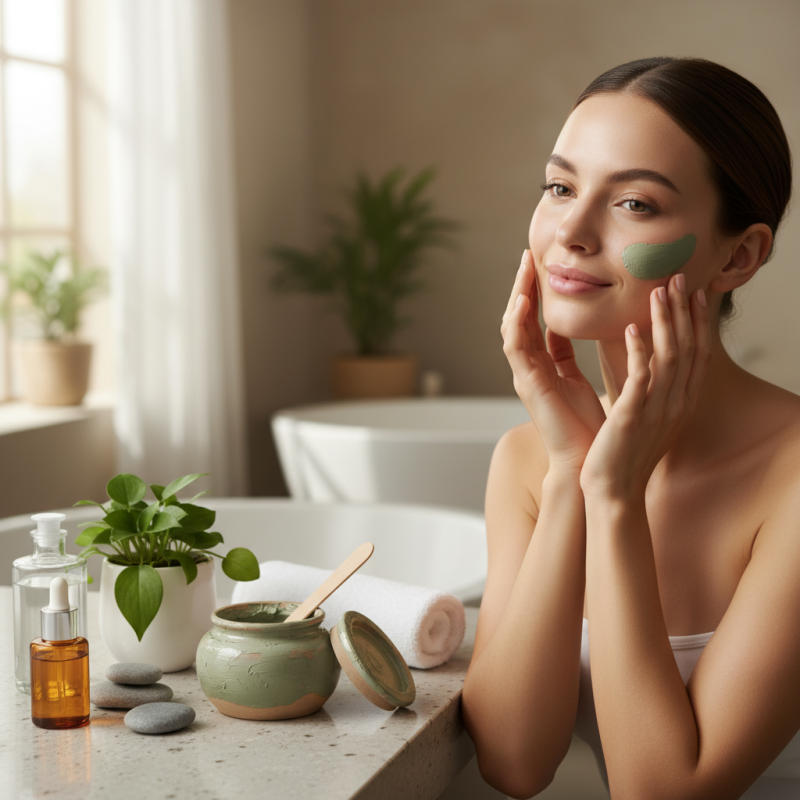
Clay masks are renowned for their skin health benefits. They assist in detoxifying and purifying the skin. The clay absorbs dirt and excess oil, unclogging pores and preventing breakouts. Many people notice an immediate improvement after just one use, where skin feels softer and looks brighter.
Regular use can enhance these benefits. Depending on your skin type, using a clay mask once or twice a week is generally ideal. However, those with sensitive skin should proceed cautiously. Overuse may lead to irritation. Finding the right balance is crucial. Everyone's skin reacts differently, and it’s essential to listen to your body.
Additionally, each clay type offers unique benefits. Bentonite clay is excellent for oily skin, while kaolin clay is milder and suitable for dry skin. Experimenting with different types can help you discover what works best for you. Keep in mind that consistency is key, but be aware that results can take time. Patience is important in this skincare journey.
When considering how often to use a clay mask, individual skin type plays a crucial role.
Oily skin may benefit from using a clay mask 2 to 3 times a week. This frequency helps to absorb excess oil and reduce breakouts.
On the other hand, dry or sensitive skin types might only need it once a week.
Overuse can lead to irritation or increased dryness, emphasizing the need to listen to your skin’s response.
Another important factor is the formulation of the clay mask itself.
Some masks contain additional exfoliating agents that can enhance the effects of the clay.
According to the American Academy of Dermatology, such ingredients can make a mask more potent but also increase the risk of skin irritation.
Moreover, seasonal changes may necessitate adjustments in usage. In humid months, a higher frequency may be beneficial, while during drier months, less frequent application could help maintain moisture balance.
While many individuals find benefit from regular use, a mindful approach is essential.
Skin can react differently based on various factors, including diet, stress levels, and environmental changes.
Monitoring these elements can be pivotal in determining personal optimal frequency.
Regular assessments help ensure that you are not pushing your skin’s limits, fostering a healthier routine.
Different skin types respond uniquely to clay masks. Oily skin often benefits from masks with kaolin or bentonite clay. These masks help absorb excess oil and reduce shine. Using them once or twice a week can help control breakouts. Users often notice a significant reduction in acne over time.
For dry skin, a gentle approach is better. Look for masks that include hydrating components, like glycerin or aloe. Clay masks should be used less frequently, perhaps once every two weeks. Overuse can lead to dryness or irritation. Finding the right balance is crucial for maintaining moisture.
Sensitive skin types need to proceed with caution. Clay masks can cause redness or discomfort. Opt for formulations with soothing ingredients, such as chamomile. It’s wise to do a patch test before applying it all over the face. In this case, using a mask every 2-3 weeks may be ideal. Everyone's skin is different, and learning to listen to its needs is essential.
| Skin Type | Recommended Usage | Best Clay Types | Expected Benefits |
|---|---|---|---|
| Oily | 2-3 times per week | Bentonite, Kaolin | Controls oil, unclogs pores |
| Dry | Once a week | French Green, Rose Clay | Hydrates, revitalizes skin |
| Combination | Once a week | Kaolin, Bentonite | Balances oil and moisture |
| Sensitive | Every two weeks | Calamine, Rose Clay | Soothes irritation, calms redness |
Clay masks can offer numerous benefits for the skin, but overuse can lead to adverse effects. Signs that you should reduce your usage include excessive dryness or irritation. According to a study by the Journal of Cosmetic Dermatology, overusing clay masks can disrupt the skin barrier, causing sensitivity. Watching for these signs is critical to achieving healthy skin.
Another indication to cut back is persistent redness or flaking. A survey published by Clinical, Cosmetic and Investigational Dermatology highlighted that many users experience increased skin conditions when masks are applied too frequently. Limit your usage to once or twice a week if you notice these symptoms.
Proper hydration is vital when using clay masks. Some experts recommend pairing these masks with hydrating serums or moisturizers. Neglecting to hydrate can compromise skin health. Reflect on your skin's reaction after each use. Balance is key to reaping the benefits of clay masks without risking irritation.
Clay masks can be a powerful tool for your skincare routine. To achieve optimal results, it's crucial to apply them correctly. Start with a clean face. This ensures that the clay can penetrate your skin effectively. Use warm water to open your pores. This simple step enhances the mask's benefits.
When applying the mask, less is often more. A thin layer is ideal; it allows your skin to breathe. Leave the mask on for about 10 to 15 minutes. Avoid letting it dry completely. Over-drying can lead to irritation or breakouts. Pay attention to how your skin feels during this time. If it tingles, consider rinsing off early.
Tips to remember include using the mask once a week for oily skin and every two weeks for dry or sensitive skin. Always follow up with a nourishing moisturizer after rinsing off the mask. Your skin deserves the best care. Evaluate how your skin reacts and adjust frequency accordingly. Regularly check for any unusual reactions to the clay.
: Use a clay mask 2 to 3 times a week. This helps absorb excess oil.
Use a clay mask once a week for dry skin. Sensitive skin may need it every 2 to 3 weeks.
Daily use can cause irritation. It’s better to find a balance based on your skin’s response.
Look for masks with kaolin or bentonite clay. These help control oil and breakouts effectively.
In humid months, you may use it more often. For dry months, apply it less frequently.
Not really. Sensitive skin should use masks with soothing ingredients and do a patch test first.
Stop using it immediately. Reassess the ingredients and listen to your skin’s needs closely.
Both can impact skin health. Monitor these factors to find your ideal clay mask frequency.
Regular assessments help prevent irritation and promote a healthier skincare routine.
If your skin is sensitive, proceed with caution. Exfoliating agents can increase the risk of irritation.
Clay masks are known for their numerous benefits, including detoxifying the skin, absorbing excess oil, and reducing the appearance of pores. However, how often should you use a clay mask to achieve the best results? The frequency of use largely depends on individual skin types and conditions, as well as environmental factors. Oily skin may benefit from using a clay mask up to two or three times a week, while dry or sensitive skin types might only need it once a week or bi-weekly.
It's crucial to pay attention to your skin's response; signs of irritation or excessive dryness may indicate it’s time to reduce your usage. Optimal results also rely on following best practices for application, such as ensuring the mask is thoroughly washed off and not left on for too long. By understanding your skin's needs and adjusting your routine accordingly, you can maximize the benefits of clay masks while maintaining skin health.
