Strawberry legs can make smooth skin look dotted with tiny red or brown marks. The appearance often follows shaving, clogged pores, keratosis pilaris, or irritated hair follicles. It can feel frustrating before an event, especially under bright bathroom lights. Yet a true overnight transformation is rarely realistic.
Board-certified dermatologist Dr. Joshua Zeichner explains, “Strawberry legs are usually caused by clogged pores or inflamed hair follicles.” His comment highlights an important point: the goal is calming the skin, not aggressively scrubbing it. For anyone searching how to get rid of strawberry legs overnight, a gentle routine may improve texture and redness by morning. It will not always remove darker spots completely.
Begin with lukewarm water and a fragrance-free cleanser. Pat the legs dry. Then apply a plain moisturizer containing ceramides or glycerin. If your skin tolerates exfoliating ingredients, a product with low-strength salicylic acid or lactic acid may help loosen buildup. Use one, not both. Do not test several products at once.
Avoid dry shaving, rough brushes, and picking at visible bumps. Those habits can create tiny cuts and prolong inflammation. I have seen skincare advice promise instant results, but skin often responds more slowly than advertisements suggest. That is worth remembering. Burning, swelling, pus, spreading redness, or persistent pain needs professional evaluation. A dermatologist can distinguish irritation from folliculitis or another condition. This guide offers practical care, not a diagnosis.
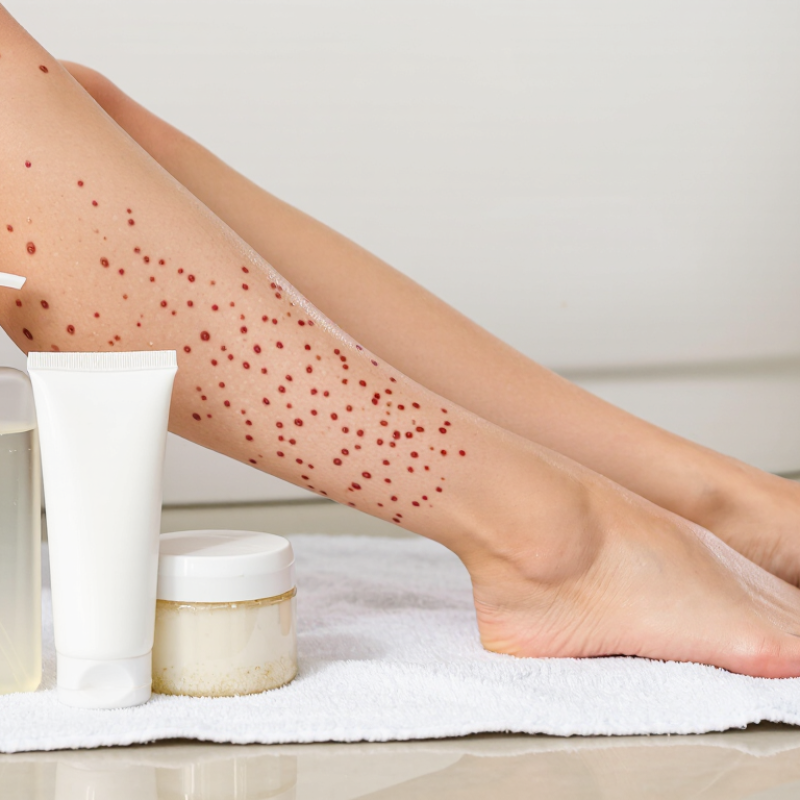
Strawberry legs are small dark dots around hair follicles, often seen on the thighs or lower legs. They may resemble strawberry seeds. These spots usually come from clogged pores, trapped hair, keratosis pilaris, or irritated follicles. Shaving can leave tiny openings that darken as oil, dead skin, and bacteria collect inside. Dry skin may make the contrast stronger.
The overnight explanation is tempting, but often incomplete. The condition rarely develops completely within one night. Instead, shaving, sweating, tight clothing, or hot water can make existing dots appear suddenly. Poor lighting can also change how noticeable they look.
Not always.
I once assumed darker spots meant infection, but appearance alone cannot confirm that. Redness, pain, pus, or spreading warmth need medical attention.
For calmer-looking skin, wash gently and apply a fragrance-free moisturizer after bathing. A product containing salicylic acid or lactic acid may loosen dead skin gradually. Use it carefully, because over-exfoliating can worsen irritation.
When shaving, soften the skin with warm water, use a clean razor, and move in the direction of hair growth. Avoid dry shaving and aggressive scrubbing.
These steps will not erase the spots overnight, despite attractive online promises. If the dots persist, recur frequently, or become inflamed, a dermatologist can check for folliculitis, eczema, or another skin condition.
Strawberry legs rarely disappear completely overnight, but careful preparation can make the skin look calmer by morning. Start with a lukewarm shower to soften hair, oil, and surface buildup. Hot water can leave your legs tight and irritated. Use a fragrance-free cleanser and your fingertips instead of a rough scrub. Pat the skin dry, leaving it slightly damp.
Inspect your legs under good light. Do not shave over cuts, raised bumps, infected follicles, or painful redness. If the skin feels comfortable, apply a clean, sharp razor with a generous layer of shaving gel. Shave gently in the direction of hair growth, using short strokes. Rinse the blade often. Pressing harder does not create a closer, healthier shave. It usually creates more irritation.
After treatment, apply a simple, fragrance-free moisturizer while the skin is still damp. Avoid alcohol-heavy products, tight clothing, hot baths, and vigorous exercise for several hours. If you plan to use a mild exfoliating lotion, patch-test it on a small area first and avoid applying it immediately after shaving. I once assumed more exfoliation meant faster results; the extra rubbing only made the dots look darker. That is an easy mistake to repeat. Persistent bumps, pus, spreading redness, or severe itching deserve advice from a qualified healthcare professional.
| Preparation Step | Recommended Timing | What to Do | Purpose | Safety Notes |
|---|---|---|---|---|
| Inspect the skin | Before any treatment | Look for small dark dots, rough follicles, redness, swelling, pus, open cuts, or painful bumps. | Strawberry legs can be associated with clogged follicles, shaving irritation, keratosis pilaris, or folliculitis. Identifying inflammation helps determine whether treatment should be delayed. | Do not shave, scrub, or apply acids to skin that is painful, bleeding, infected-looking, or severely irritated. |
| Cleanse gently | Immediately before treatment | Wash the legs with lukewarm water and a mild, fragrance-free cleanser. Rinse thoroughly and pat dry. | Removes sweat, oil, sunscreen, and surface debris without adding unnecessary friction. | Avoid very hot water and harsh soaps because they may worsen dryness and irritation. |
| Soften the hair and skin | For about 5–10 minutes before shaving | Take a warm—not hot—shower or place a warm, damp cloth on the area. Apply a lubricating shaving gel or cream. | Warm water and lubrication can reduce drag, helping lower the chance of razor burn and small shaving-related bumps. | Do not soak the skin for a long period or use water hot enough to cause redness. |
| Use gentle exfoliation only when appropriate | The day before or several hours before treatment | If the skin is calm and intact, use a soft washcloth or a mild leave-on product containing salicylic acid or lactic acid according to its directions. | May help loosen dead skin and reduce follicular plugging over time. | Do not combine scrubbing, shaving, and strong exfoliating acids in one session. Stop if burning or persistent redness occurs. |
| Prepare clean shaving equipment | Immediately before shaving | Use a clean, sharp razor and rinse it frequently during shaving. Never share razors. | A clean, sharp blade usually requires less pressure and may reduce skin trauma and bacterial transfer. | Replace a disposable razor when it becomes dull, rusty, or difficult to rinse clean. |
| Shave with minimal pressure | During treatment | Shave in the direction of hair growth using short, light strokes. Avoid repeatedly passing over the same area. | Reducing friction and very close shaving can help limit razor bumps and irritation. | Do not shave over active rashes, infected follicles, open wounds, or severe inflammation. |
| Rinse and calm the skin | Immediately after treatment | Rinse with cool or lukewarm water, pat dry, and apply a plain, fragrance-free moisturizer. | Moisturizing supports the skin barrier and may reduce tightness and dryness after shaving. | Avoid alcohol-heavy products, fragrance, and immediate application of strong acids or retinoids if the skin feels irritated. |
| Reduce friction overnight | For the next 12–24 hours | Wear loose, breathable clothing and avoid vigorous exercise, hot tubs, and repeated rubbing if the skin is sensitive. | Lower friction and heat can help limit additional irritation after hair removal. | Do not apply occlusive products to areas that are sweaty or prone to folliculitis unless advised by a clinician. |
| Set realistic overnight expectations | By the following morning | Expect possible short-term improvement in smoothness or redness, but not guaranteed removal of dark follicle dots. | Follicular plugging, post-inflammatory marks, and keratosis pilaris commonly need repeated gentle care over several weeks. | Avoid aggressive overnight routines marketed as instant cures; they can cause chemical burns or worsen discoloration. |
| Patch-test new products | 24 hours before wider use when possible | Apply a small amount to a limited area and monitor for itching, swelling, burning, or persistent redness. | Helps identify irritation or allergy before treating both legs. | Discontinue the product and rinse the skin if a significant reaction develops. |
| Important: Seek medical advice if bumps are painful, warm, rapidly spreading, repeatedly filled with pus, associated with fever, or not improving with gentle care. Persistent or recurrent strawberry legs may require assessment for folliculitis, eczema, keratosis pilaris, or other skin conditions. | ||||
Strawberry legs usually involve visible dark pores, shaving irritation, ingrown hairs, or keratosis pilaris. They rarely disappear overnight. The American Academy of Dermatology Association reports that keratosis pilaris affects up to 40% of adults and 50% of adolescents, so this concern is widespread, not a personal failure.
Begin with lukewarm water. Hot water can worsen dryness. Clean your legs gently, then pat them almost dry. Apply a fragrance-free moisturizer while the skin remains slightly damp. For rough, plugged pores, choose a lotion containing salicylic acid, lactic acid, or urea. Use it once daily at first. The Mayo Clinic recommends gradual use of keratolytic ingredients because excessive application may cause burning or peeling.
If shaving caused the spots, avoid shaving again for 24 to 48 hours. When you resume, use a clean, sharp razor and shaving gel. Move in the direction of hair growth, using light pressure. Do not squeeze dark pores or scrub with a rough brush; both habits can create tiny injuries and prolong discoloration. A 2023 review in the International Journal of Dermatology links repeated friction and inflammation with persistent post-inflammatory pigmentation, particularly in darker skin tones.
Patch-test new products first. I would also reconsider aggressive exfoliation, even when it seems faster. Seek dermatological advice if swelling, pain, pus, spreading redness, or lasting discoloration appears.
Strawberry legs usually appear as dark dots around hair follicles. Shaving, dry skin, and trapped keratin can make them more noticeable. An overnight routine may improve texture and redness, but it cannot erase every spot by morning. The realistic goal is calmer, smoother-looking skin.
Begin with a gentle, fragrance-free cleanser and lukewarm water. Pat your legs dry instead of rubbing them. Apply a plain moisturizer while the skin is slightly damp. For rough, clogged areas, choose one product containing lactic acid, urea, or salicylic acid. Use a small amount. Do not layer several exfoliating ingredients overnight. That can sting, peel, or worsen irritation. Patch-test a new product on a small area first.
Skip scrubbing gloves, harsh brushes, and picking. They may create tiny cuts and darker marks. If shaving is necessary, use a clean, sharp razor and shaving gel. Shave with light pressure, following hair growth. I know this feels slower, but aggressive passes often cause more bumps. Wear loose sleepwear afterward, especially if your skin feels warm.
Persistent pain, pus, spreading redness, or severe itching needs medical advice. A dermatologist can check for folliculitis, eczema, or keratosis pilaris instead of guessing.
Strawberry legs can look better overnight after gentle cleansing, moisturizing, and avoiding a close shave. However, persistent dark dots often need more time. They may involve clogged follicles, keratosis pilaris, irritation, or ingrown hairs. The appearance alone cannot confirm the cause.
Seek professional advice if the spots remain for several weeks despite gentle care. A dermatologist can examine the skin closely and distinguish follicular plugging from infection or another condition. Arrange an appointment sooner if the area becomes painful, warm, swollen, or filled with pus. Rapid spreading redness, fever, or red streaks needs prompt medical attention.
Do not keep scrubbing harder. That mistake can create tiny cuts and worsen inflammation. Pause shaving, waxing, and picking when the skin feels raw. A clinician may recommend a suitable exfoliating ingredient, prescription treatment, or testing for an underlying problem. Tell them when the spots began, whether they itch, and which hair-removal methods you use. Clear photos taken in the same lighting may help, though they cannot replace an examination. Overnight improvement is possible for mild irritation, but it is not a reliable promise for recurring strawberry legs.
Mild redness may look calmer by morning. Dark follicle dots usually need longer care. Overnight magic is not realistic.
Wash gently with fragrance-free cleanser and lukewarm water. Pat your legs dry with a soft towel. Apply moisturizer while the skin remains slightly damp.
Choose one product containing lactic acid, urea, or salicylic acid. Apply a small amount to rough areas. Using several exfoliants may cause stinging or peeling.
No. Scrubbing gloves and harsh brushes can create tiny cuts. They may worsen redness and leave darker marks. I used to think harder scrubbing helped, but that assumption is weak.
If shaving is necessary, use a clean, sharp razor and shaving gel. Follow hair growth with light pressure. Repeated aggressive passes can create more bumps.
Choose loose sleepwear if your skin feels warm or irritated. Tight fabric can rub freshly treated areas. Small details matter here.
Pause shaving, waxing, and picking when your skin feels raw. Seek medical advice for pain, warmth, swelling, pus, or spreading redness. Fever or red streaks require prompt attention.
Arrange an appointment if spots remain for several weeks despite gentle care. A dermatologist can check for clogged follicles, irritation, or another condition. Appearance alone cannot confirm the cause.
Clear photos in the same lighting may show changes over time. They cannot replace an examination. Mention itching, onset, and your hair-removal method.
Strawberry legs are small dark dots or bumps that can appear when hair follicles become clogged with oil, dead skin cells, bacteria, or trapped hair. Shaving, dry skin, and irritation may make them seem to appear overnight. If you are wondering how to get rid of strawberry legs overnight, begin by gently cleansing the skin with lukewarm water, avoiding harsh scrubbing, and using a clean, sharp razor with adequate shaving gel if hair removal is needed.
For overnight care, apply a fragrance-free moisturizer to support the skin barrier and consider a gentle exfoliating product containing skin-friendly acids, provided your skin tolerates it. Avoid picking, squeezing, very hot water, and tight clothing, as these can increase redness and irritation. Although the appearance may improve by morning, lasting results usually require consistent moisturizing, gentle exfoliation, and careful shaving habits. If the spots remain persistent, become painful, intensely itchy, swollen, or develop pus, consult a qualified healthcare professional for personalized advice.
