Textured skin on the face can be a common concern for many individuals. It often leads to feelings of insecurity and frustration. Understanding how to get rid of textured skin on face naturally can empower you to regain your confidence. Various factors contribute to skin texture, such as genetics, environmental influences, and skin care habits.
Incorporating natural remedies can be beneficial. Many individuals have found success with simple solutions like exfoliation and hydration. Regular use of gentle scrubs, homemade masks, and natural oils can help in achieving smoother skin. The journey requires patience, as results may take time.
It’s important to note that everyone's skin is unique. What works for one person may not work for another. Experimenting with various methods is essential in finding the right approach for your skin type. Take the time to learn and reflect on what suits you. Prioritize consistency and listen to your skin's needs for the best results.
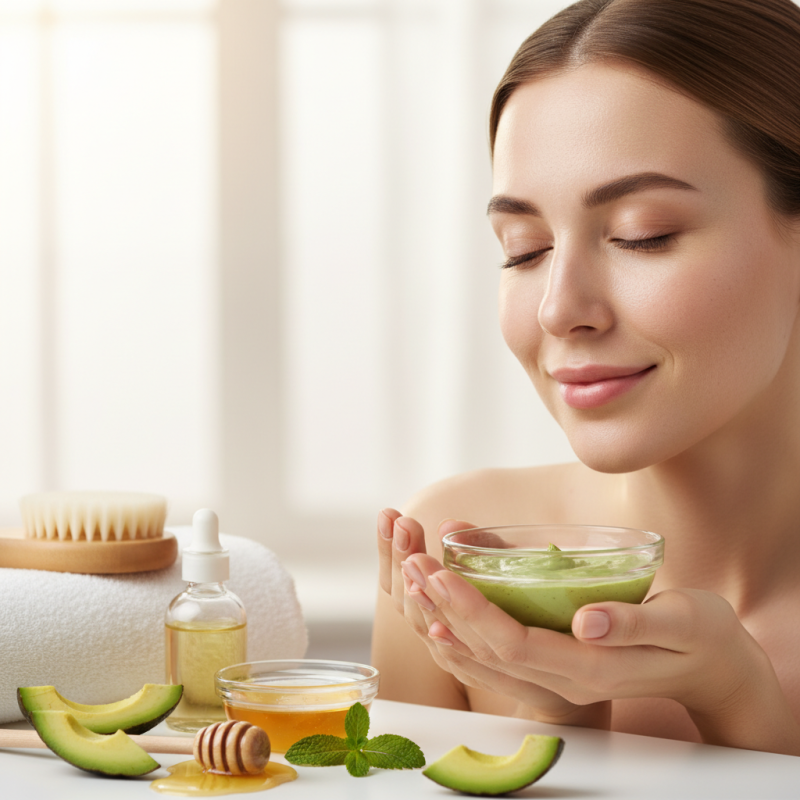
Textured skin on the face can arise from various factors. It often appears bumpy or uneven and can be caused by dead skin buildup, large pores, or acne scars. According to the American Academy of Dermatology, around 50% of adults experience some degree of textured skin. This condition can stem from sun damage, hormonal changes, or simply aging.
When understanding textured skin, it's vital to recognize the specific characteristics. For instance, enlarged pores can be particularly troublesome, as they often accumulate dirt and oil. Additionally, dry skin may exacerbate the appearance of texture. A 2022 study highlighted that individuals with textured skin often report lower self-esteem, linking skin texture to mental well-being. This creates a cycle where stress and skin health interplay significantly.
Managing textured skin naturally requires ongoing effort and self-reflection. Routine exfoliation can help reduce buildup. However, over-exfoliating can worsen sensitivity. Moisturizing regularly is also crucial, but it needs to be suitable for your skin type. Finding the right balance is essential in promoting skin health while addressing texture concerns. Addressing these factors holistically promotes a more positive relationship with your skin.
Textured skin can be frustrating, but natural remedies can help. Exfoliation is key to improving skin texture. One effective method is using a sugar scrub. Simply mix sugar with olive oil and gently scrub your face. The sugar crystals help remove dead skin cells, while the oil hydrates your skin. This process can make your skin feel smoother and more radiant.
Another natural remedy involves using baking soda. Mix baking soda with water to create a paste. Apply it to your face for a few minutes, then rinse it off. Baking soda acts as a gentle exfoliant. However, be careful; overuse can irritate your skin. Pay attention to how your skin responds.
Don't forget about the power of honey. Honey has natural antibacterial properties and can help with texture. Apply raw honey to your face and let it sit for about 15 minutes. Rinse with warm water. This method not only exfoliates but also hydrates the skin. Experiment with these remedies to see which works best for you, and always listen to your skin's needs.
Achieving smooth skin texture naturally involves effective moisturizing techniques. Hydration is key in battling roughness and uneven skin. Using natural oils can work wonders. For example, jojoba oil closely resembles skin's sebum. It hydrates without clogging pores. Applying a few drops in the morning can create a smooth base for makeup.
Incorporating facial masks into your routine is also beneficial. A simple honey mask can soften the skin. Honey has natural antibacterial properties and acts as a humectant, drawing moisture in. Leaving it on for 20 minutes offers a soothing experience. Remember to rinse gently to avoid irritation.
Regular exfoliation contributes to improved texture as well. However, it’s essential to find a balance. Over-exfoliating can lead to redness or sensitivity. Consider gentle methods like oatmeal scrubs. They effectively remove dead skin without harshness. Adjust your routine based on how your skin reacts. Pay attention to feedback from your skin; it will guide you to find the right balance.
Maintaining healthy skin starts with proper nutrition. Essential nutrients play a vital role in achieving a smooth complexion. Vitamins A, C, and E are crucial for skin health. Foods rich in these vitamins help repair and regenerate skin cells. Incorporate leafy greens, berries, and nuts into your diet for optimal results.
Hydration is equally important. Drinking enough water keeps your skin hydrated and plump. Dehydration can lead to a rough texture and a dull appearance. Herbal teas can also provide hydration while offering additional antioxidants that combat skin damage.
Moreover, antioxidants protect your skin from environmental stressors. They help prevent inflammation and promote healing. Foods like dark chocolate, green tea, and colorful fruits are excellent sources. While diet is vital, individual skin reactions can vary. It's essential to observe how your skin responds to dietary changes. This reflection can guide you in making the best choices for your unique needs.
| Nutrient | Benefit for Skin | Food Sources | Recommended Daily Intake |
|---|---|---|---|
| Vitamin E | Antioxidant that protects skin cells | Nuts, seeds, spinach, avocado | 15 mg |
| Vitamin C | Promotes collagen production | Citrus fruits, strawberries, bell peppers | 90 mg |
| Omega-3 Fatty Acids | Reduces inflammation and moisturizes skin | Fatty fish, flaxseeds, walnuts | 1.6 g |
| Zinc | Helps in skin repair and reduces acne | Meat, shellfish, legumes, seeds | 11 mg |
| Biotin | Supports healthy skin and hair | Eggs, nuts, seeds, sweet potatoes | 30 mcg |
Achieving and maintaining smooth skin texture requires consistent lifestyle changes. Focus on your diet, hydration, and skincare routine. Eating a balanced diet rich in fruits and vegetables nourishes your skin. Foods high in antioxidants, like berries and nuts, improve skin health. Drinking adequate water helps maintain elasticity. Aim for at least eight glasses a day.
Incorporate regular exfoliation into your routine. Gentle exfoliation removes dead skin cells and promotes cell turnover. You can use natural exfoliants like sugar or oatmeal mixed with honey. However, be mindful not to over-exfoliate as it may irritate your skin.
Don't forget about sun protection. Sun exposure can worsen textured skin. Wearing a broad-spectrum sunscreen daily is crucial. Look for a minimum SPF of 30. Also, try to limit time spent in the sun, especially during peak hours.
Lastly, consider stress management techniques. High-stress levels can affect skin health. Practices like yoga or meditation can help. Making these lifestyle adjustments will take time and patience, but they will lead to improved skin texture.
: Use a sugar scrub made from sugar and olive oil. This helps remove dead skin cells effectively.
Baking soda mixed with water creates a gentle exfoliant. Apply it for a few minutes, then rinse.
Yes, applying raw honey for 15 minutes can exfoliate and hydrate the skin. Rinse with warm water afterward.
Hydration is essential. Natural oils, like jojoba oil, can hydrate without clogging pores.
A honey mask can soften the skin and draw moisture in, leaving it on for 20 minutes helps.
Regular exfoliation is key, but be careful not to overdo it. Adjust based on your skin's response.
Yes, a balanced diet rich in fruits and vegetables boosts skin health. Antioxidants improve overall texture.
Aim for at least eight glasses a day to maintain skin elasticity. Hydration matters.
Sun exposure can worsen skin texture. Use at least SPF 30 sunscreen daily to protect your skin.
Incorporate gentle exfoliation, a nutrient-rich diet, and stress management practices for better skin.
Textured skin on the face can be a common concern for many individuals, often caused by factors such as dead skin buildup, acne scars, or environmental damage. Understanding these causes and characteristics is crucial for anyone seeking solutions on how to get rid of textured skin on face. Implementing natural remedies for exfoliation can help remove dead skin cells, while effective moisturizing techniques ensure that the skin remains hydrated and supple.
In addition to topical treatments, it’s important to focus on essential nutrients and a balanced diet that foster healthy skin. Incorporating more vitamins and antioxidants can enhance skin appearance significantly. Furthermore, adopting lifestyle changes, like staying hydrated and minimizing stress, can contribute to maintaining a smooth skin texture over time. By addressing both external care and internal health, individuals can achieve a clearer and more even complexion.
