How to Reapply Sunscreen Over Makeup in 2026?

Time:2026-10-03 Author:Oliver
0%

In 2026, daily sun protection still matters after foundation, concealer, and powder are already in place. Yet many people hesitate to reapply because they fear streaks, pilling, shine, or a ruined makeup finish. This guide examines how to reapply sunscreen over makeup without treating cosmetics as a protective shield.

Board-certified dermatologist Dr. Elizabeth Hale offers a practical reminder: “Sunscreen is not just for the summer months.” Her point supports a broader habit. UV exposure can continue during commutes, outdoor lunches, window-side work, and short walks. Reapplication deserves attention.

The article will compare sunscreen sticks, cushions, powders, and lightweight sprays. It will explain when each option works best. A stick may suit the nose and cheekbones. A cushion can press protection across foundation with less dragging. Powder sunscreen feels convenient, but coverage may be uneven. That detail is easy to miss.

Pat, do not rub.

Readers will also learn how to blot excess oil before reapplying. A clean tissue can remove shine without lifting every makeup layer. Then, sunscreen should be pressed over exposed areas, especially the forehead, nose, ears, and upper cheeks. However, no method is perfectly mess-free. Makeup may shift slightly, and protection can be incomplete when too little product is used.

That is the uncomfortable part.

This 2026 guide will encourage realistic choices, label checking, shade-aware application, and professional advice for sensitive or acne-prone skin. It will also clarify why SPF makeup alone rarely replaces a properly applied broad-spectrum sunscreen. The goal is not flawless touch-ups. It is more consistent protection in real life.
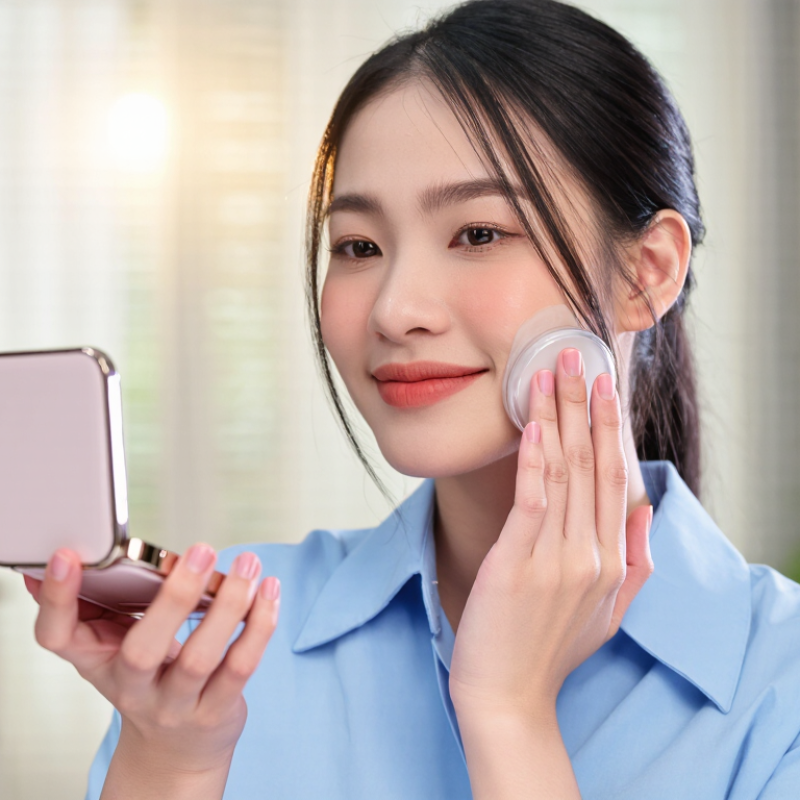
How to Reapply Sunscreen Over Makeup in 2026?

What to Know Before Reapplying Sunscreen Over Makeup in 2026

How to Reapply Sunscreen Over Makeup in 2026?

Before reapplying, check the day’s UV exposure, not just your makeup. The WHO and IARC Global Cancer Observatory reported more than 1.5 million non-melanoma skin cancer cases worldwide in 2020. Sun protection remains relevant during short commutes. Windows do not block every form of ultraviolet radiation.

The U.S. Food and Drug Administration advises reapplying sunscreen at least every two hours outdoors. Sweat, swimming, and towel drying shorten that interval.

Makeup complicates the recommended amount, because rubbing can disturb foundation. Gently blot oil with tissue first. Then press a broad-spectrum SPF 30 or higher product onto exposed areas using a clean sponge or cushion. Move from the cheeks outward. Avoid dragging the skin.

Powder or mist products can help with maintenance, but they may not create enough coverage alone.

The face usually needs about two finger-lengths of sunscreen, according to dermatology guidance. That amount rarely fits neatly over makeup. Reapply in thin layers instead. It may look less polished.

A 2024 review in the Journal of the American Academy of Dermatology emphasized consistent application and reapplication as key factors in real-world protection. Yet laboratory SPF results cannot perfectly predict daily wear.

I still find the eye area easy to miss. Hairlines and ears disappear under makeup too.

Check them in a mirror before leaving.

How to Choose Makeup-Friendly Sunscreen for Reapplication

How to Reapply Sunscreen Over Makeup in 2026?

Choosing makeup-friendly sunscreen starts with protection, not texture. The American Academy of Dermatology recommends broad-spectrum SPF 30 or higher, with reapplication every two hours outdoors. Look for a lightweight fluid, gel, or serum formula that dries quickly without leaving a greasy film. “Non-comedogenic” can help, but this label is not perfectly standardized. Check the ingredient list if your skin reacts easily. Fragrance-free options may feel safer around the eyes.

The World Health Organization and International Labour Organization reported in 2023 that one in three non-melanoma skin cancer deaths was linked to occupational ultraviolet exposure. That figure makes casual touch-ups worth taking seriously. Over makeup, press a small amount of sunscreen onto clean fingertips, then tap it across the forehead, cheeks, nose, and jaw. Avoid rubbing. A makeup sponge may work, but it can absorb too much product. Sunscreen powders are convenient for shine control, yet they may not provide an even protective layer alone. That is an uncomfortable detail.

I used to reapply only on my nose. That was not enough. Choose a formula that matches your makeup finish, test it on one cheek, and watch for pilling after ten minutes. Mineral or chemical filters can both work; personal tolerance matters more than online arguments. Carry a compact mirror. Reapply after sweating, wiping your face, or spending extended time outside.

How to Prepare Your Skin and Makeup Before Reapplying

How to Reapply Sunscreen Over Makeup in 2026?

Your reapplication routine starts before makeup touches your face. Wash your hands, then cleanse or gently wipe away sweat and excess oil. Apply a light moisturizer to prevent dry patches from catching product. Wait several minutes before sunscreen. This pause matters. A broad-spectrum sunscreen with SPF 30 or higher should form an even layer underneath makeup. Apply enough for your face and neck, then let it set completely. Rushing this step can cause pilling, uneven coverage, and a patchy base.

Before reapplying, check your makeup in natural light. Blot oily areas with tissue instead of rubbing them. Press gently around the nose, forehead, and chin. If foundation has separated, soften the edge with a clean sponge. Do not spread sunscreen over visibly dirty or sweaty skin. A portable cleansing wipe can help, but it may remove moisture. Follow with a small amount of moisturizer when needed. I used to skip this step and blamed the sunscreen for every dry patch.

Tips: Use clean hands or tools. Reapply more often after sweating, swimming, or towel drying. A sunscreen mist or powder can help during the day, but neither should replace a generous base layer. Avoid pressing too hard, especially around the eyes. This method is practical, not perfect. Makeup may still move. That is normal. Check your skin again after two hours outdoors and touch up exposed areas carefully.

Step-by-Step Methods for Applying Sunscreen Without Smudging Makeup

Reapplying sunscreen over makeup requires patience, not heavier layers. The American Academy of Dermatology recommends reapplying every two hours outdoors, especially after sweating or swimming. It also advises using about one ounce for exposed body skin. Makeup makes that amount difficult. A realistic method needs several small applications.

Start with clean hands and blot facial oil with a tissue. Avoid rubbing. Press a broad-spectrum sunscreen lotion onto a damp makeup sponge, then tap it across the forehead, cheeks, nose, and chin. Use a fresh section of the sponge for each area. Keep your eyelids closed during application. Around the eyes, use gentle tapping instead of dragging. Let each layer settle for one minute. Mist carefully. A sunscreen mist can refresh coverage, but it may not deliver enough product unless the skin becomes visibly and evenly damp. The U.S. Food and Drug Administration notes that sunscreen effectiveness depends on applying the labeled amount and following reapplication directions.

For crowded days, a sunscreen cushion or compact can reduce smudging. Press, lift, and repeat. Do not sweep across foundation. Powder sunscreen may control shine, but dermatology guidance does not support treating a light dusting as a full replacement for lotion. I still miss the hairline sometimes. That is the part worth checking in a mirror. Reapply there, along the ears, and across the neck. The Skin Cancer Foundation emphasizes these commonly neglected areas in its sun-protection guidance. Coverage can look uneven at first. Give it two minutes before adding more makeup.

How to Reapply Sunscreen Over Makeup in 2026

SPF values indicate the approximate percentage of UVB radiation filtered under standardized testing conditions. For makeup-friendly reapplication, use a thin layer of sunscreen mist, cushion, stick, or a small amount of lotion pressed over the skin rather than rubbed.

Apply sunscreen generously before makeup and allow it to set. Reapply about every two hours outdoors, and immediately after swimming, heavy sweating, or towel drying. Press product onto the skin in thin layers, working from the center of the face outward to reduce smudging.

How Often to Reapply and Maintain Reliable Sun Protection

Reliable protection depends on timing, not just SPF. During continuous outdoor exposure, reapply broad-spectrum SPF 30 or higher about every two hours. Reapply sooner after swimming, heavy sweating, or towel drying. Sun damage can occur even when your skin feels comfortable. Cloud cover is not a reliable shield.

Over makeup, avoid rubbing a thick cream across your face. Press a fluid sunscreen gently with a clean sponge, working in small sections. A sunscreen mist can help, but a few quick sprays rarely provide enough coverage. Powder formulas are useful for minor touch-ups, yet they should not replace a proper sunscreen layer. Apply roughly two finger lengths to your face and neck before makeup, following the product instructions.

Set a midday reminder, especially during long outdoor activities. Protect exposed ears, the hairline, neck, and hands. A hat and sunglasses add practical protection. Keep sunscreen away from excessive heat, and check its expiration guidance. I still sometimes miss the sides of my neck. That small mistake matters. If makeup becomes uneven, retouch the exposed area carefully instead of skipping reapplication. When direct sunlight continues, repeat the process every two hours.

FAQS

How often should sunscreen be reapplied outdoors?

Reapply broad-spectrum SPF 30 or higher about every two hours. Reapply sooner after swimming, heavy sweating, or towel drying. Set a midday reminder.

How can sunscreen be applied over makeup without smudging it?

Blot facial oil with a tissue. Press lotion onto a damp makeup sponge, then tap small sections gently. Do not rub.

Which facial areas need careful attention during reapplication?

Check your forehead, cheeks, nose, chin, hairline, ears, neck, and eyelids. Keep your eyes closed. Tap gently around them.

Can sunscreen mist provide enough protection over makeup?

It can refresh coverage, but quick sprays are usually insufficient. Apply until the skin looks evenly damp, following product directions.

Is powder sunscreen a complete replacement for lotion?

No. Powder can reduce shine during minor touch-ups. A light dusting should not replace a proper sunscreen layer.

What technique works best with a sunscreen cushion or compact?

Press, lift, and repeat across small areas. Avoid sweeping over foundation. Let each layer settle for about one minute.

How much sunscreen should be applied before makeup?

Apply roughly two finger lengths to your face and neck, following the product instructions. This provides a more reliable starting layer.

What should I do if my makeup looks uneven after reapplication?

Wait about two minutes before adding makeup. Retouch only exposed areas carefully. I sometimes miss my neck sides, and that matters.

Conclusion

Reapplying sunscreen over makeup in 2026 requires a balance between dependable UV protection and a clean, natural-looking finish. Start by choosing a lightweight, makeup-friendly formula that suits your skin type and works well with your existing products. Before reapplication, gently remove excess oil and sweat with a tissue or blotting paper, then allow your makeup to settle. Avoid rubbing, as friction can disturb foundation, concealer, and powder.

When learning how to reapply sunscreen over makeup, use gentle pressing or tapping motions rather than sweeping across the skin. A sunscreen mist, cushion-style formula, or lightweight lotion applied with a clean sponge can help minimize smudging, while a small amount of translucent powder may restore the finish afterward. Reapply regularly, especially after sweating, outdoor activity, or prolonged sun exposure. For reliable daily protection, combine sunscreen with shade, protective clothing, and sunglasses, and remember that careful, consistent application is more important than applying a large amount all at once.

Oliver

Oliver

Oliver is a seasoned marketing professional with a wealth of expertise in driving brand awareness and engagement. With a deep understanding of our company's product offerings, he consistently delivers high-quality content that enriches our professional blog. His insights not only shed light on......