Mineral sunscreen has gained popularity for its skin-friendly ingredients and environmental benefits. However, users often wonder, why is mineral sunscreen leaving a white cast? This common issue arises from the physical blockers, zinc oxide and titanium dioxide, which are key components. These compounds reflect UV rays but can also leave a noticeable residue on the skin.
The white cast can be particularly concerning for individuals with darker skin tones. Even with advancements in formulation, many find that the problem persists, leading to dissatisfaction. Factors such as skin type, application technique, and product formulation may influence the extent of the cast. Some users might overlook the importance of blending thoroughly or applying a lighter layer.
Understanding why mineral sunscreen leaves a white cast requires insight into its chemical makeup and application. It’s an ongoing discussion in the beauty community. Many seek alternatives that provide effective protection without the aesthetic downsides. Ultimately, educating oneself about the nuances of these products contributes to better choices in sun protection. This conversation about mineral sunscreen continues, revealing both its strengths and its challenges.
What is Mineral Sunscreen and How Does it Work?
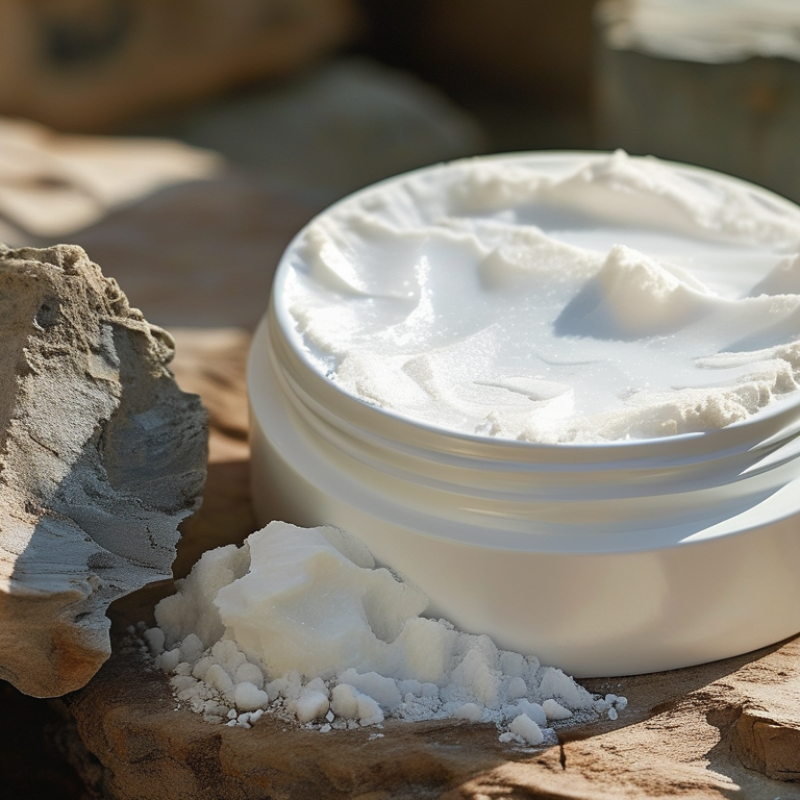
Mineral sunscreen, also known as physical sunscreen, uses zinc oxide or titanium dioxide to protect the skin from harmful UV rays. These minerals sit on the skin's surface and reflect sunlight. This mechanism is different from chemical sunscreens, which absorb UV radiation. Mineral sunscreens are often preferred for sensitive skin, as they are less likely to cause irritation.
Despite their benefits, mineral sunscreens can leave a noticeable white cast on the skin. This effect is caused by the thickness of the mineral particles. Many users find this off-putting, especially those with medium to dark skin tones. The white cast often leads to concerns about aesthetics and comfort. Adjusting the application can help minimize this effect.
Experts suggest blending the product well into the skin or choosing tinted versions. Some formulations are now designed to reduce the appearance of the white residue. However, it's important to recognize that these products may not work for everyone. Personal experimentation can lead to finding the most suitable option for individual skin types and tones.
Understanding the Ingredients in Mineral Sunscreens
Mineral sunscreens, often containing zinc oxide or titanium dioxide, provide essential protection against UV rays. However, they are notorious for leaving a white cast on the skin. This phenomenon occurs because the minerals sit on the surface rather than absorbing into the skin. According to a report by the Skin Cancer Foundation, mineral sunscreens effectively block up to 98% of UV radiation.
The white cast is particularly noticeable on darker skin tones. The particle size of the minerals influences how visible the cast is. Smaller particles can lead to minimal white residue. A 2022 study in the Journal of Cosmetic Dermatology found that formulations with micronized zinc oxide resulted in significantly less whiteness. These innovations are important for those seeking effective sun protection without the unsightly film.
Applying mineral sunscreen correctly can also improve the outcome. Use a generous amount, applying at least a quarter-sized dollop for full coverage. Allow the product to dry before layering makeup. Choosing tinted mineral sunscreens could help reduce the white cast effect while providing a natural finish. Experimenting with formulas will lead to finding the perfect match while ensuring skin safety.
Why Do Mineral Sunscreens Cause a White Cast?
Mineral sunscreens often leave a noticeable white cast on the skin. This is primarily due to their active ingredients, such as zinc oxide or titanium dioxide. These compounds are physical blockers that sit on the skin's surface, reflecting UV rays. While they effectively protect against sun damage, their formulation can lead to that frustrating chalky appearance.
The white cast occurs more prominently on darker skin tones. The mineral particles do not absorb into the skin as chemical sunscreens do. Instead, they rest on top, creating a barrier. Factors like application method and product consistency also play a role. When applied too thickly, it can enhance the visibility of the white residue.
Not everyone prefers the look of mineral sunscreen. Finding products that blend well with your skin tone can be challenging. Some brands are working on formulations that minimize this issue. Yet, it’s essential to choose a sunscreen that aligns with your skin type and lifestyle. Often, there's a trade-off between texture and effectiveness.
Why Does Mineral Sunscreen Leave a White Cast?
| Ingredient |
Function |
Particle Size |
Visibility |
Skin Type Suitability |
| Zinc Oxide |
UV Protection |
Micronized |
Moderate White Cast |
All Skin Types |
| Titanium Dioxide |
UV Protection |
Micronized |
Less Visible White Cast |
Sensitive Skin |
| Iron Oxides |
Tinted Protection |
Micronized |
Minimal White Cast |
All Skin Types |
| Nano Zinc Oxide |
UV Protection |
Nano |
Minimal White Cast |
All Skin Types |
| Chemical Filters |
UV Protection |
N/A |
No White Cast |
Normal to Oily Skin |
Factors Influencing the Severity of the White Cast
When applying mineral sunscreen, the white cast can be off-putting for many users. This effect stems from the active ingredients used, particularly zinc oxide and titanium dioxide. These compounds reflect UV rays but can also leave a visible residue on the skin. The severity of the white cast can be influenced by several factors.
One significant factor is the formulation of the sunscreen. Thicker formulations often create a more noticeable white cast. Lighter, more fluid textures tend to blend better into the skin. Skin tone also plays a crucial role. Darker skin may show a more pronounced white cast with certain mineral sunscreens. Additionally, the amount applied can contribute. Applying a thicker layer will increase visibility.
Environmental conditions can further affect appearance. In bright sunlight, the white cast may be more noticeable compared to indoor settings. The method of application also matters. Rubbing the product in thoroughly can minimize the residue. Using a moisturizer beforehand may help with even application as well. Understanding these factors can guide users in selecting and applying mineral sunscreens effectively.
Tips for Reducing the White Cast Effect in Mineral Sunscreens
Mineral sunscreen is a popular choice for many due to its ability to provide broad-spectrum UV protection. However, the notorious white cast it leaves can be off-putting. This effect stems from mineral ingredients like zinc oxide and titanium dioxide. These compounds are effective, but they can also create a pale film on the skin. To combat this challenge, some practical strategies can be employed.
One effective method is to choose formulations with micronized or nanoparticle minerals. These smaller particles blend better into the skin, minimizing the white cast. Additionally, applying the sunscreen in thin layers can help. Start with a small amount and gradually increase coverage. Blend it thoroughly to improve absorption and reduce the visible residue.
Another tip is to mix the mineral sunscreen with a tinted moisturizer. This can provide an even skin tone while still protecting against UV rays. Testing different application techniques, like using a damp makeup sponge, can also yield better results. It’s essential to experiment and find the methods that work best for your skin type and routine.
Impact of Mineral Sunscreen on Skin Tone Variability
This chart illustrates the perceived white cast effect of mineral sunscreens on various skin tones. The data suggests that individuals with fair skin report a higher percentage of white cast compared to those with darker skin tones.
Conclusion
Mineral sunscreen, known for its physical UV-blocking properties, works by using active mineral ingredients like zinc oxide and titanium dioxide to reflect harmful rays from the skin. However, many users often wonder why is mineral sunscreen leaving a white cast on their skin. This white cast occurs due to the natural tint of these mineral ingredients, which can be especially pronounced on darker skin tones.
Several factors contribute to the severity of the white cast, including skin type, the formulation of the product, and the application method. To mitigate this effect, users can choose tinted mineral sunscreens, use a moisturizer underneath, or apply the product in well-blended layers. Understanding these elements helps consumers make informed choices and enjoy the protective benefits of mineral sunscreens without the aesthetic drawbacks.

 ZenAtti Beauty