In the world of skincare, knowing "what order to apply skincare products" is essential for effective routines. A study from the Journal of Dermatology highlights that up to 60% of individuals use products incorrectly. This misapplication can lead to suboptimal results and wasted investments in skincare. Many people overlook the importance of layering; this technical knowledge is crucial for achieving desired outcomes.
Applying products in the wrong sequence can hinder absorption. The Skin Pharmacology and Physiology journal emphasizes that the correct order maximizes penetration and efficacy. For instance, lighter serums should precede heavier creams. Furthermore, factors like skin type and ingredients play significant roles in this process. Ignoring these can lead to irritation or ineffective treatment.
Despite numerous guides available, many still struggle with implementation. The beauty industry thrives on trends, often complicating established routines. While the basics are straightforward, personalization based on unique skin concerns is vital. Balancing these elements thoughtfully can enhance results while preventing errors. Understanding the right order is not just about products; it's about cultivating an informed, reflective practice in skincare.
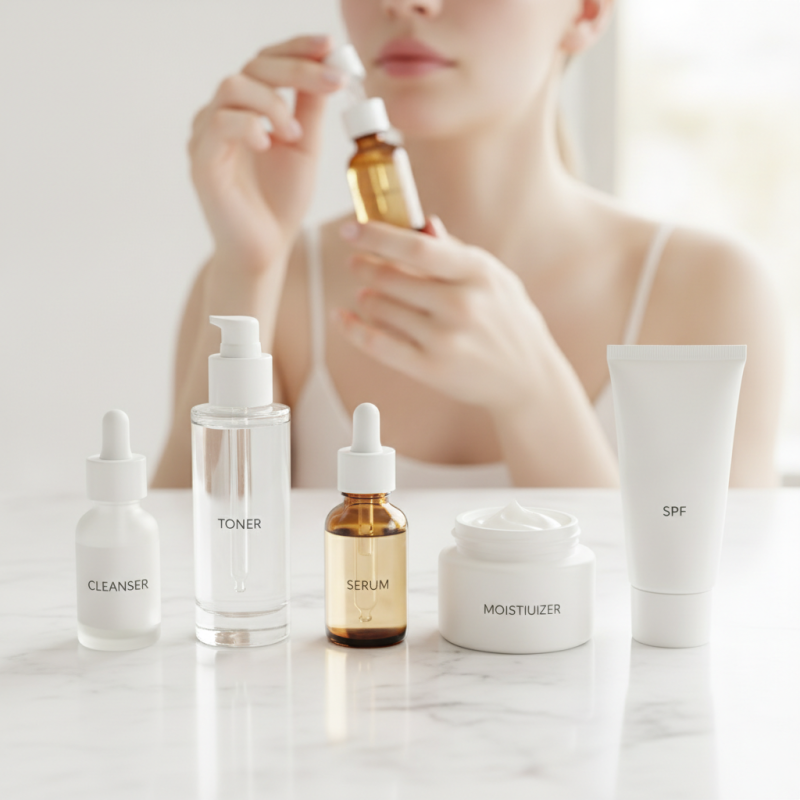
Understanding the Importance of Skincare Product Order
The order in which you apply your skincare products is crucial for achieving optimal results. When applied correctly, each product can enhance the effectiveness of others. For instance, lighter formulas should generally go first. This allows heavier occlusive products to lock in moisture and nourish the skin.
**Tips:** Always cleanse your skin before starting. A clean face allows serums, moisturizers, and treatments to penetrate better. Using a toner post-cleanse can prepare your skin more effectively. It's an opportunity to reconsider what your skin truly needs—sometimes scars from past choices linger, serving as a reminder to reflect on your current routine.
Be aware that not all products work in harmony. Some combinations may cause irritation. Test new products individually to observe any reactions. Regularly reassess how your skin feels and reacts. Life changes, and so do your skin’s needs. Listen to those subtle signals. Prioritizing the right order while adapting to your skin's evolving conditions ensures you are on the right path.
Cleansing: The First Step to Detoxify Your Skin
Cleansing is crucial for maintaining healthy skin. It removes dirt, excess oil, and impurities that can clog pores. This step helps to detoxify the skin, allowing it to breathe and rejuvenate. Many people underestimate the impact of a good cleanse. Some might skip it entirely, thinking it won't make a difference. However, neglecting this step can lead to breakouts and dull skin.
Choosing the right cleanser matters. A gentle formula can maintain your skin's natural barrier. Harsh cleansers, on the other hand, may strip essential oils, causing dryness. It’s beneficial to tailor your cleanser to your skin type. Oily skin may require a foaming formula, while dry skin often benefits from a creamier texture.
The method of cleansing is just as important. Rushing through may not effectively remove all impurities. Massaging the cleanser into your skin for a minute can enhance blood circulation. Remember to rinse thoroughly, leaving no residue behind. Becoming mindful of this process can lead to more vibrant skin and an improved overall texture. However, over-cleansing can lead to irritation, so finding a balance is key.
Toning: Balancing and Preparing the Skin
Toning plays a crucial role in an effective skincare routine. It balances skin pH and removes residual impurities. Research indicates that over 30% of users skip toner. This can lead to missed benefits. A good toner can hydrate and prep skin for subsequent products.
The right toner can improve skin texture and enhance absorption. According to a study by the Journal of Clinical and Aesthetic Dermatology, using a toner can increase moisture retention by up to 20% compared to not using one. This is vital for achieving optimal hydration. Ingredients like hyaluronic acid and glycerin are often beneficial. They help draw moisture into the skin.
Not all toners are created equal. Some might contain alcohol, which can be drying. Others may include irritating fragrances. It’s essential to choose a product that aligns with your skin type. Listening to your skin is important. If a toner stings or causes redness, it may be time to reevaluate. Toning should feel refreshing, not irritating.
What Order to Apply Skincare Products for Best Results? - Toning: Balancing and Preparing the Skin
| Step |
Product Type |
Purpose |
Application Tips |
| 1 |
Cleanser |
Remove dirt and impurities |
Use warm water and gently massage |
| 2 |
Toner |
Balance pH and hydrate |
Apply with a cotton pad or hands |
| 3 |
Serum |
Targeted treatment |
Pat gently onto skin |
| 4 |
Moisturizer |
Hydrate and lock in moisture |
Apply in upward circular motions |
| 5 |
Sunscreen |
Protect from UV damage |
Apply generously before sun exposure |
Applying Treatments: Serums and Spot Treatments
When it comes to applying skincare, knowing the right order is crucial.
Serums and spot treatments are essential for targeting specific concerns. According to the American Academy of Dermatology,
using treatments properly can enhance absorption and effectiveness. This is important, as studies show that serums can penetrate
the skin more deeply than creams, delivering concentrated active ingredients.
Apply serums after cleansing and toning, allowing your skin to absorb the benefits. Most experts recommend waiting a few minutes
before layering spot treatments. This waiting period is essential because it gives the serum time to penetrate. The
National Institutes of Health emphasize that layering too quickly can dilute active ingredients, decreasing their potency.
For targeted areas, a pea-sized amount of spot treatment is usually effective.
Hydration is also a factor. Different skin types react uniquely to treatments. Oily skin may benefit from lighter formulas,
while dry skin often needs something richer. Not all products mix well, and some users report irritation. The skin barrier may react
negatively if overloaded with products. It's crucial to listen to your skin and adjust accordingly.
Moisturizing: Locking in Hydration for Skin Protection
Moisturizing is a vital step in any skincare routine. It not only hydrates the skin but also protects it from various environmental stressors. When skin is well-hydrated, it appears plumper and healthier. However, many people overlook this crucial step or use the wrong products. This can lead to dryness, irritation, or breakouts.
Choosing the right moisturizer is essential. Look for ingredients like hyaluronic acid and glycerin, which attract moisture. Remember, not all moisturizers suit every skin type. For example, oily skin may not react well to thick creams. A lighter gel formula might work better. It’s important to test different products and see how your skin responds.
Applying moisturizer at the right time enhances its effectiveness. Ideally, do this after cleansing and using serums. This locks in hydration and creates a protective barrier. Many people rush through this step, forgetting to let their skin absorb the products fully. Taking a moment to massage the moisturizer into the skin can enhance absorption. Skincare should be a mindful practice, allowing for reflection on what works best for you.
Sunscreen: The Final Layer for Daily Skin Defense
Applying sunscreen correctly is essential for effective daily skin protection. According to the Skin Cancer Foundation, about one in five Americans will develop skin cancer in their lifetime. Unfortunately, many individuals fail to use sunscreen properly, resulting in inadequate protection against harmful UV rays. For optimal results, sunscreen should be applied as the final layer of your skincare routine. This ensures that active ingredients in other products do not interfere with its effectiveness.
Tips for application:
Use a broad-spectrum SPF of at least 30. Generously apply sunscreen to all exposed areas of skin. Don’t forget your ears, neck, and even areas like your scalp if it's exposed. Reapply every two hours, particularly after swimming or sweating.
Even with the best intentions, many people overlook sunscreen. A survey by the American Academy of Dermatology found that only 30% of adults regularly apply sunscreen. This statistic highlights the need for education on why consistent application is vital. Daily UV exposure, even on cloudy days, contributes to skin aging and increases the risk of skin cancer. Make it a habit to integrate sunscreen into your morning routine to safeguard your skin effectively.
FAQS
: Cleansing removes dirt, oil, and impurities, helping to detoxify skin and prevent breakouts.
Skipping cleansing can lead to dull skin and clogged pores. It’s a vital step.
Choose a gentle formula that fits your skin type. Creamy for dry skin, foaming for oily skin.
Massage the cleanser for one minute. Rinse thoroughly to avoid residue and enhance circulation.
Over-cleansing can lead to irritation and dryness. Balance is essential for healthy skin.
Apply serums after cleansing and toning. This allows for better absorption and effectiveness.
Wait a few minutes after applying serum. This can enhance the potency of the ingredients.
Oily skin needs lighter formulas, while dry skin benefits from richer treatments. Listen to your skin.
Yes, overloading on products can irritate your skin. It’s crucial to find what works for you.
Layering too quickly can dilute active ingredients. Take your time for the best results.
Conclusion
When considering what order to apply skincare products, it's crucial to follow a structured routine to achieve optimal results. The process begins with cleansing, which detoxifies the skin and removes impurities. Next, toning helps to balance the skin's pH and prepares it for further treatment. Following this, applying serums and spot treatments allows for targeted care, addressing specific skin concerns effectively.
Moisturizing is an essential step that locks in hydration, providing a protective barrier against environmental stressors. Finally, sunscreen serves as the last and vital layer in your daily skincare regimen, safeguarding the skin from harmful UV rays. By adhering to this sequence, you can enhance the efficacy of your skincare products and promote healthier, glowing skin.

 ZenAtti Beauty