Discover our highly optimized, high-performance skincare solutions engineered for modern dermatological brands.
For decades, charcoal has been utilized across clinical and cosmetic sectors for its unparalleled detoxicant properties. In modern skincare, particularly in the production of charcoal face masks, the technology has transcended basic soot integration. The modern industry relies heavily on specialized chemical processing to optimize the adsorption profile of carbon structures. The process of activation involves heating carbonaceous materials, such as bamboo, coconut shells, or hardwoods, to high temperatures (600–900°C) in an inert atmosphere, followed by steam or chemical exposure to create an extensive network of microscopic pores.
This micro-porosity increases the specific surface area (SSA) of the carbon dramatically—often reaching between 1,000 to 2,000 square meters per gram. From an adsorption perspective, this allows activated charcoal to function like an electrostatic magnet, drawing out hydrophobic impurities, oxidized lipids, and exogenous micro-pollutants (such as PM2.5 particles) from the follicular infundibulum. China's advanced manufacturing hubs, particularly in Guangdong, have engineered methods to stabilize these carbon particles in suspension, resolving the historical manufacturing issues of product settling, gritty texture, and formulation instability.
The design roadmap for high-performance charcoal masks is shifting toward hybrid, multifunctional bio-systems. While first-generation products focused solely on oil removal via mechanical peel-off methods (often resulting in cutaneous barrier disruption), modern product pipelines incorporate soothing matrix components and advanced delivery vehicles. R&D centers are prioritizing the mitigation of transepidermal water loss (TEWL) during mask applications.
Developing low-pain, elastic peel-off profiles utilizing modified polyvinyl alcohol (PVA) matrices blended with natural film formers like pullulan and alginates to prevent skin sensitization.
Employing liposomal and micro-spherical encapsulation technology to deposit sebum-regulating salicylic acid, tea tree extract, and niacinamide directly into pores while the carbon matrix adsorbs surface dirt.
Transitioning sheet-based charcoal masks toward 100% biodegradable bamboo fiber, tencel, and biocellulose webs infused with carbon nanoparticles, eliminating microplastic shedding.
Looking to the future, the integration of smart-response systems will dominate the cosmetic market. This includes formulation bases that change color (e.g., from deep black to light grey) as they dry, indicating the completion of the adsorption phase. Manufacturers are also refining cold-process formulas to reduce the carbon footprint during chemical compounding, thereby satisfying the demand for clean energy manufacturing processes.
Brands looking to source products from China must identify the specific consumer sub-demographics they intend to target. Sourcing managers must understand that charcoal masks are not homogeneous. The viscosity, drying profile, peel tension, and active ingredient percentages must be calibrated based on the brand's position and market context.
| Formulation Type | Target Audience & Skin Concerns | Key Actives & Exfoliants | Ideal Packaging Vehicle |
|---|---|---|---|
| Hydrating Charcoal Clay Mask | Sensitive & Dry Skin, Dullness, Environmental Pollution | Kaolin, Bentonite, Charcoal Powder, Hyaluronic Acid, Centella Asiatica | Glass Jar, Aluminum Tubes |
| Pore-Refining Peel-Off Mask | Oily Skin, Stubborn Blackheads, Sebaceous Filaments | PVA Matrix, Activated Carbon, Witch Hazel, Salicylic Acid (BHA) | Squeeze Tubes, Monodose Sachets |
| Carbonated Bubble Charcoal Mask | Gen-Z Consumer, Dull Complexion, Express Purifying | Methyl Perfluorobutyl Ether (Oxygenating agent), Bamboo Carbon, Amino Acids | Airless Pump Bottles |
| Exfoliating Charcoal Mud Scrub | Congested Skin, Rough Texture, Keratin Accumulation | Volcanic Ash, Walnut Shell Powder, Micro-fine Carbon, Jojoba Esters | Wide-mouth Jars |
At Guangdong ZenAtti Beauty Co., Ltd., our formulation catalog spans these variations, each validated through extensive stability testing (incubator aging at 45°C for 12 weeks, freeze-thaw cycles, and microbial challenge testing). By offering customizable viscosity profiles, we ensure compatibility with automated high-speed filling equipment around the globe.
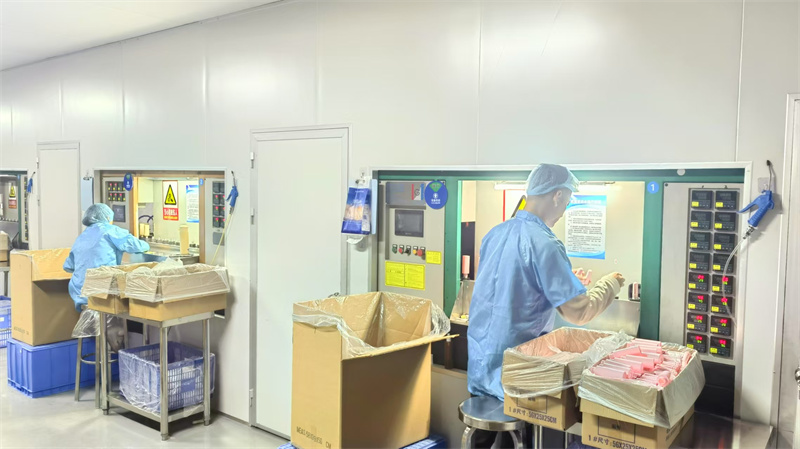
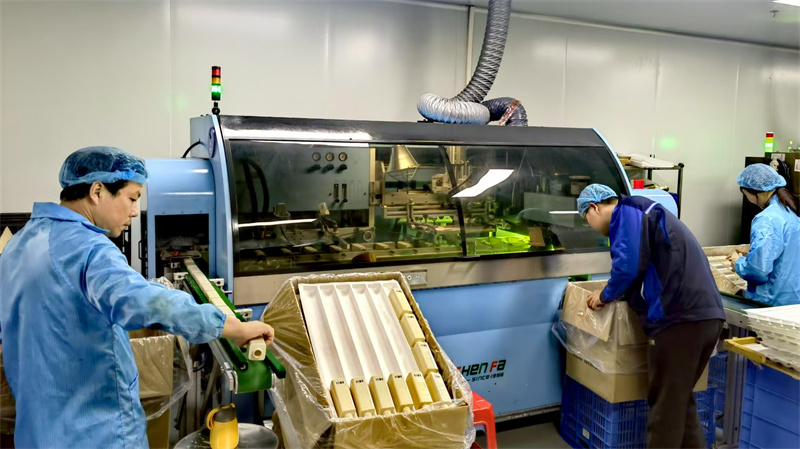
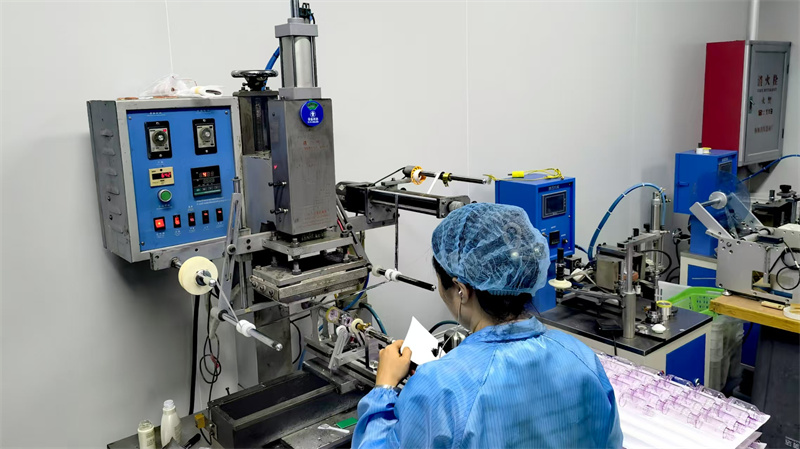
Operating a modern beauty brand requires speed to market, robust quality assurance, and manufacturing flexibility. As a premier manufacturer in Guangdong, Guangdong ZenAtti Beauty Co., Ltd. leverages a highly integrated manufacturing model. Spanning a state-of-the-art facility of 34,000 square meters, our plant is built according to GMPC and ISO 22716 standards to guarantee hygienic manufacturing environments.
Equipped with 20 advanced production lines, our facility enables efficient production, stable supply capacity, and fast lead times. This allows us to respond quickly to market demands while ensuring consistent product quality and reliable delivery for our partners. Our vertical integration strategy ensures that we control the manufacturing process end-to-end, which includes in-house injection molding, bottle blowing, silk-screening, and packaging assembly.
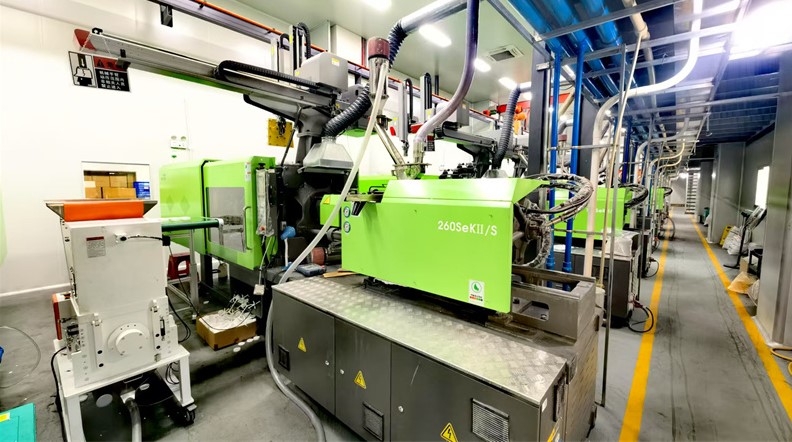
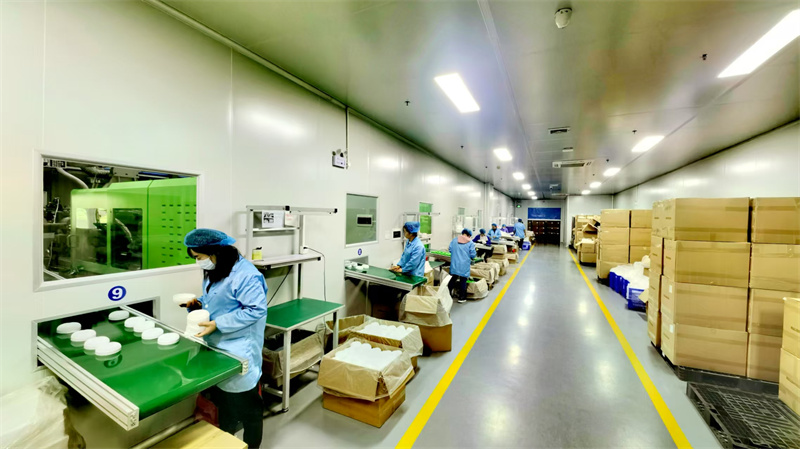
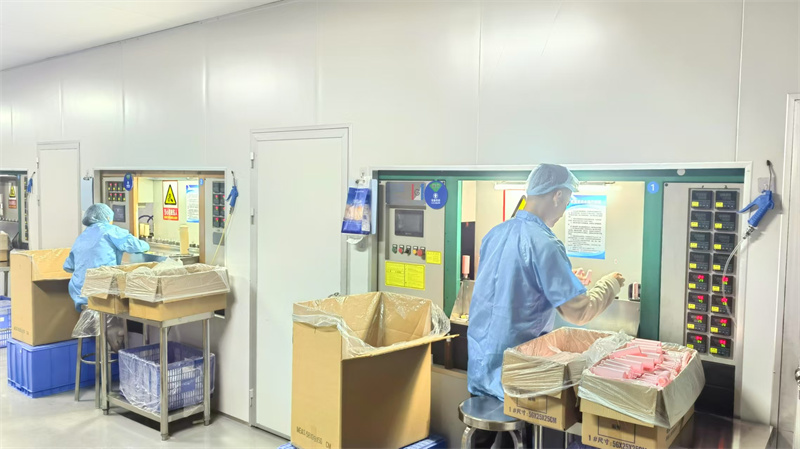
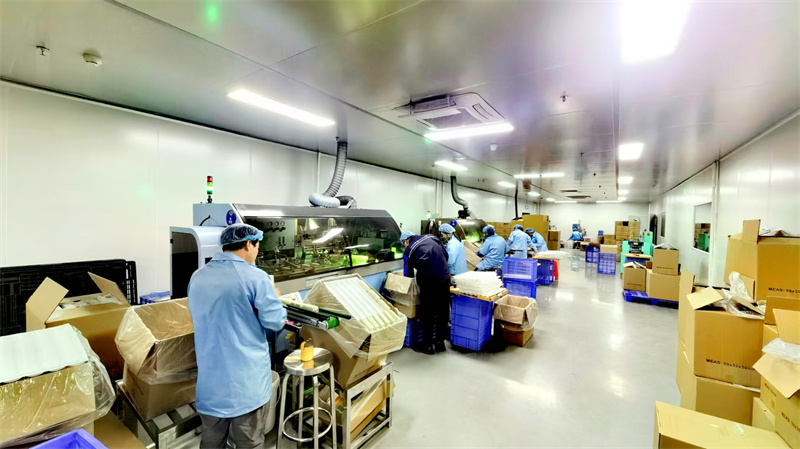
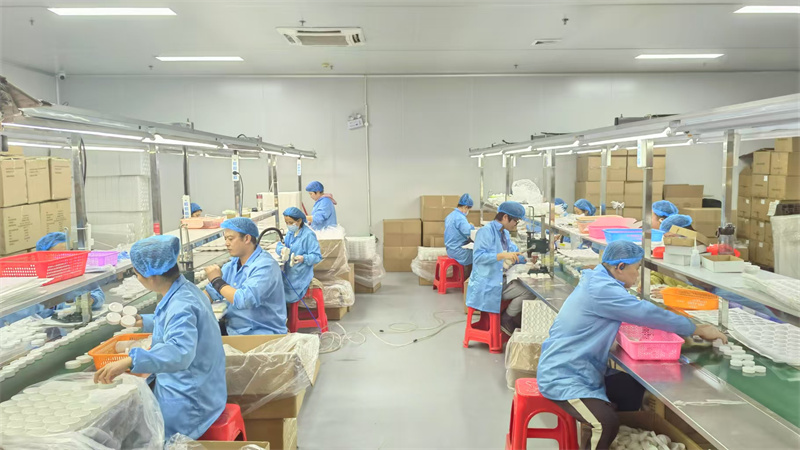
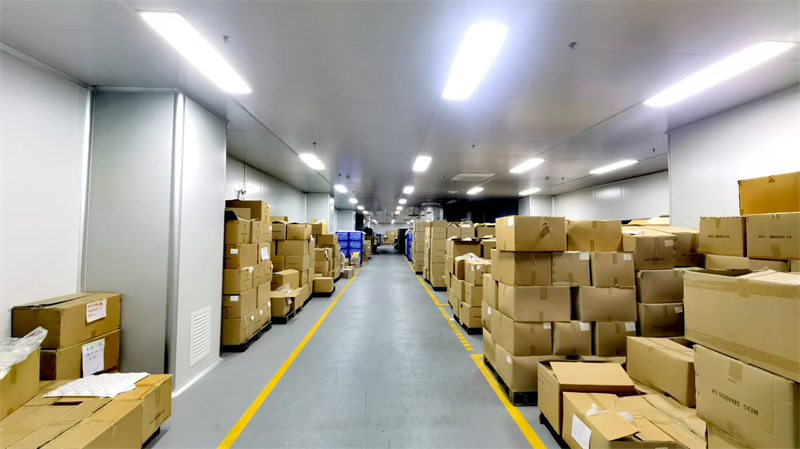
This localized supply chain integration protects our clients from third-party shipping delays of packaging components. When a global brand orders from ZenAtti, they are not just purchasing a formulation; they are leveraging an optimized packaging-to-liquid delivery matrix. With a team of over 100 experienced and highly skilled professionals, we provide comprehensive services ranging from product development and formulation to packaging design, production, and logistics support. Our responsive customer service and professional expertise ensure a seamless and efficient cooperation experience from initial inquiry to final delivery.
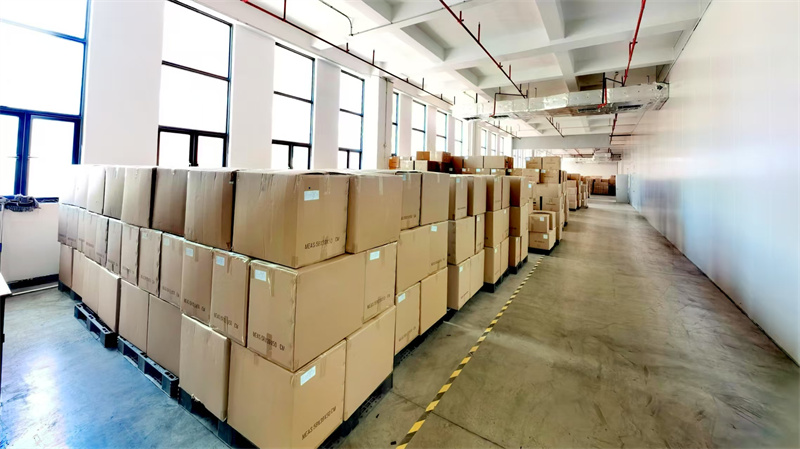
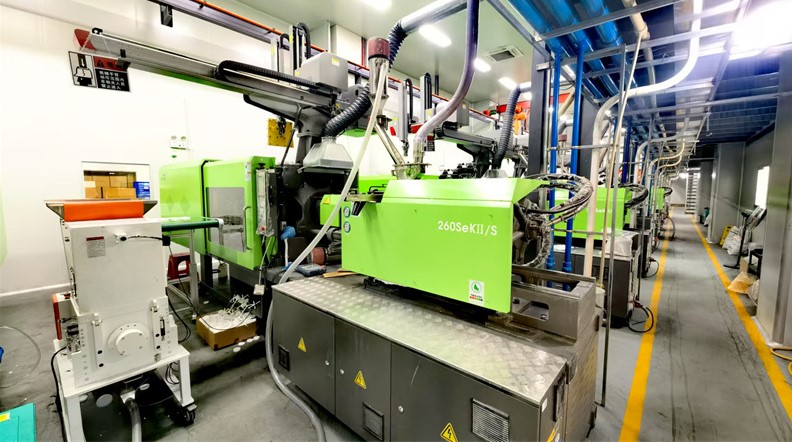
Partner with Guangdong ZenAtti Beauty for your next market success.
Contact Our ExpertsNavigating global cosmetics regulations is one of the most critical aspects of B2B procurement. Skincare products exported to the European Union, the United States, or Southeast Asia must meet distinct chemical threshold requirements. A critical failure point for cheap formulations is the presence of heavy metals (such as lead, arsenic, and mercury) that naturally occur in poor-grade clays or sub-standard carbon sources.
Guangdong ZenAtti Beauty implements an uncompromising ingredient verification program. We source raw materials with complete COA (Certificate of Analysis) documentation, ensuring they meet the safety standards required by global regulatory bodies:
Sourcing professionals must evaluate the cost-to-benefit ratio of custom formulations (ODM) versus private-label formulations (OEM). Choosing custom formulas requires larger budgets and longer validation periods, but guarantees a unique position in the market. Private label setups, on the other hand, allow for quicker time-to-market with proven formulations.
We provide both options. Our off-the-shelf formulas can be localized to your branding with customized primary packaging in as little as 15 days, while our bespoke R&D division can isolate botanical actives to create a custom product from the ground up. Our 20 advanced production lines are highly modular, meaning we can rapidly transition from low-volume runs (for brand tests) to large-scale retail shipments without bottlenecking output.
Technical and operational answers for professional cosmetics buyers and sourcing managers.
Explore our personal care formulations, including facial wipes, foot care therapies, and grooming technologies.
 ZenAtti Beauty