The global trichological landscape is undergoing a monumental paradigm shift. No longer categorized simply as cosmetic washes, modern hair growth treatments are designed as pharmaceutical-grade, bio-active topical solutions. Consumers are seeking clinically proven efficacy, targeting the molecular pathomechanisms of hair thinning, alopecia, and follicular degeneration. This demand has placed immense pressure on brand owners to partner with sophisticated OEM/ODM Hair Growth Treatments Factories that possess the clinical understanding, chemical sophistication, and manufacturing rigor required to execute highly complex formulations.
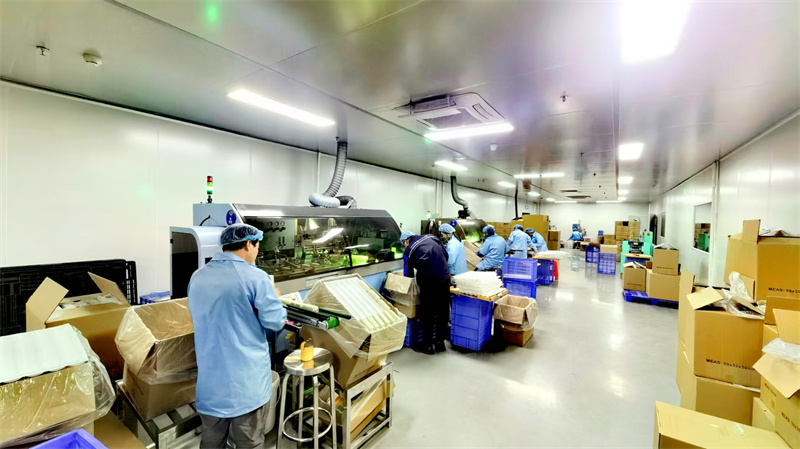
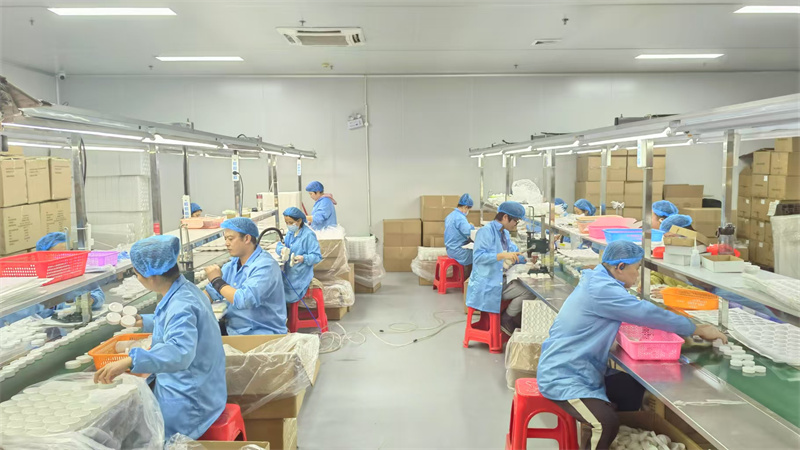
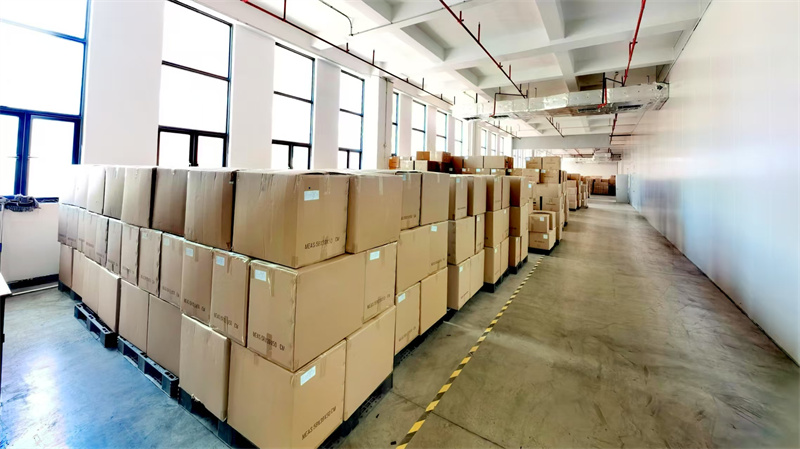
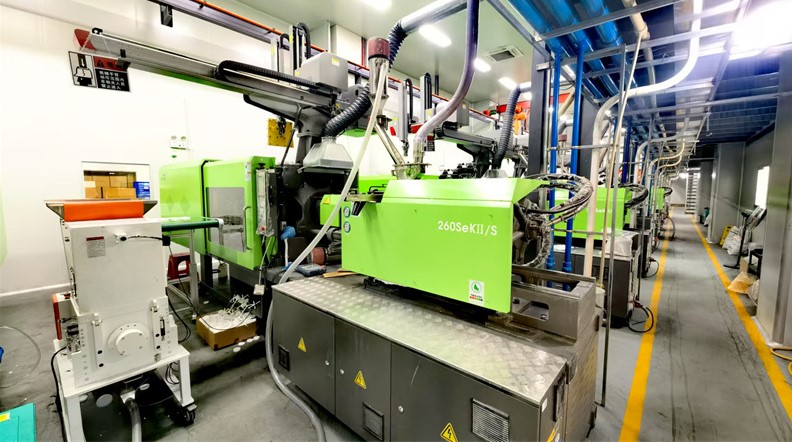
Guangdong ZenAtti Beauty Co., Ltd. is positioned at the intersection of medical scalp science and advanced cosmetic manufacturing. Spanning a modern production footprint of 34,000 square meters and housing 20 highly advanced, automated production lines, ZenAtti offers global partners unparalleled technical expertise and infrastructure. This enables brands to scale rapidly while guaranteeing that active ingredients (such as biomimetic peptides, redensyl, capixyl, and fermented botanical matrices) maintain their biological stability and efficacy throughout their shelf life.
The trajectory of the global hair loss treatment market is driven by several macro-environmental factors. An increase in stress-related chronic telogen effluvium, environmental pollution, hormonal imbalances, and aging populations across Western Europe, North America, and East Asia has created a hyper-growth sector. The industry is transforming across three key pillars:
Scalp hygiene is now approached with the same scientific detail as facial skincare. Factories must formulate treatments utilizing high-performance actives like Niacinamide, Salicylic Acid, Hyaluronic Acid, and custom peptide complexes to optimize the microenvironment surrounding the hair follicle.
Modern buyers demand alternatives to traditional synthetic solutions. Formulating with biomimetic growth factors, copper peptides, and botanical stem cell extracts allows brands to claim scientific validity and high efficacy while meeting clean-beauty standards.
Maintaining a balanced scalp microbiome is essential for preventing follicular miniaturization. Industrial scaling of prebiotics, probiotics, and postbiotic lysates requires strict sterile production, high-accuracy temperature controls, and specialized compounding vessels.
For international procurers, sourcing hair growth products from an OEM/ODM partner involves navigating complex compliance, raw material safety, and packaging engineering challenges. A single failure in quality control can lead to customs holds, brand damage, or product recalls.
Compliance & Regulatory Certifications: Different global jurisdictions regulate hair growth products under varying classifications. In the United States, certain active ingredients fall under the OTC monograph system, requiring FDA-registered facilities. In the European Union, the cosmetic dossier demands strict safety assessment reports (PIF) and notification via the CPNP portal. ZenAtti's export experience spanning more than 80 countries ensures that raw materials, preservatives, and trace elements comply with local regulations, preventing compliance bottlenecks.
Ingredient Efficacy & Stabilization: Active ingredients designed to stimulate blood flow, such as Caffeine, or compounds designed to inhibit 5-alpha-reductase, such as Serenoa Serrulata (Saw Palmetto) extract, are highly sensitive to oxidation, temperature swings, and UV exposure. Professional OEM facilities must employ specialized emulsion techniques, nitrogen purging, and airless barrier packaging to guarantee that these actives remain potent and stable.
Manufacturing in the Factory 4.0 era relies on data-driven integration across procurement, compounding, packaging, and logistics. Guangdong ZenAtti Beauty Co., Ltd. demonstrates how technology, automation, and lean manufacturing drive cost efficiencies and speed to market.
With 20 advanced production lines, our operations are optimized to handle both high-volume mass production and agile, low-MOQ runs for niche brands. By automating the raw material feeding, high-shear emulsification, and sterile tube/bottle filling processes, we minimize human contamination risks and improve batch-to-batch consistency.
Furthermore, our facility is vertically integrated with dedicated internal departments for key packaging and finishing stages. Rather than outsourcing secondary processes, ZenAtti controls quality and costs in-house through specialized workshops:
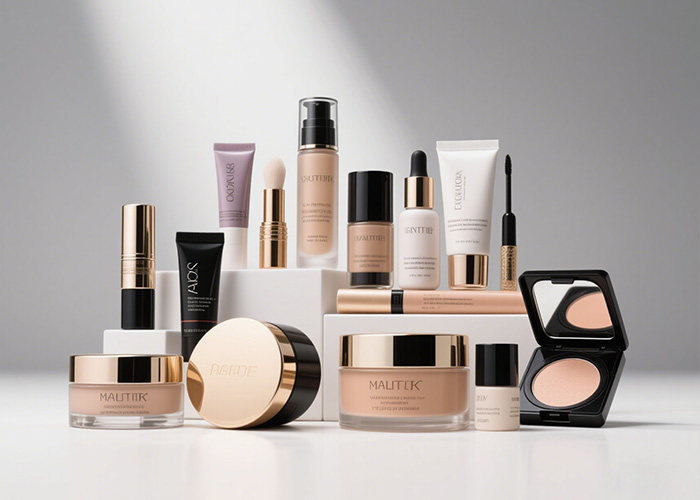
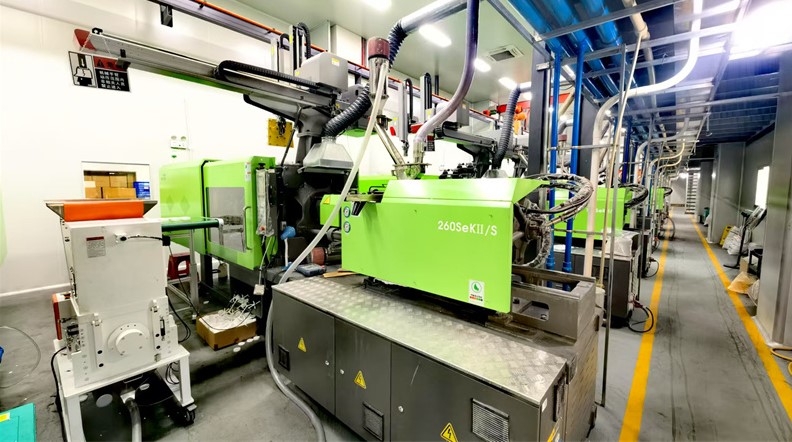
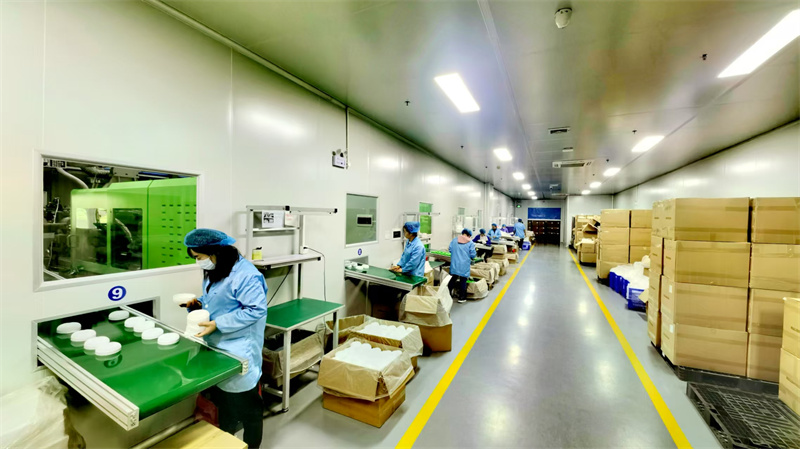
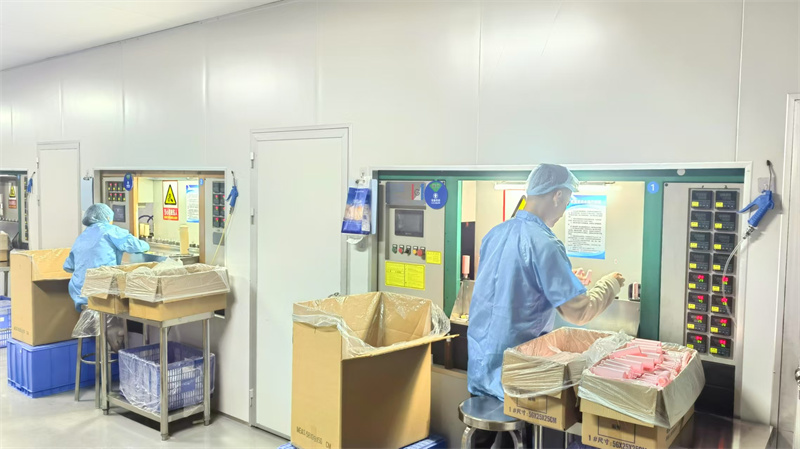

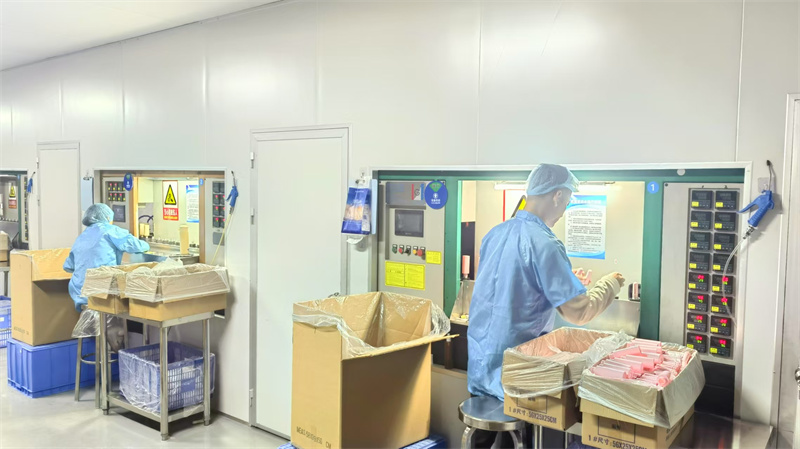
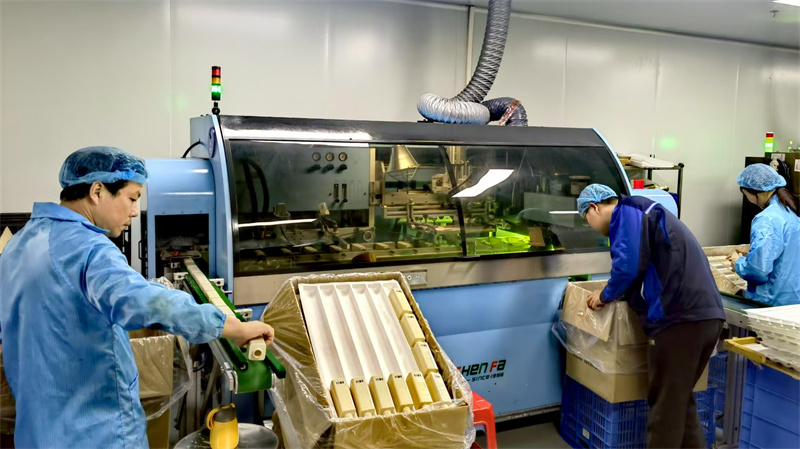
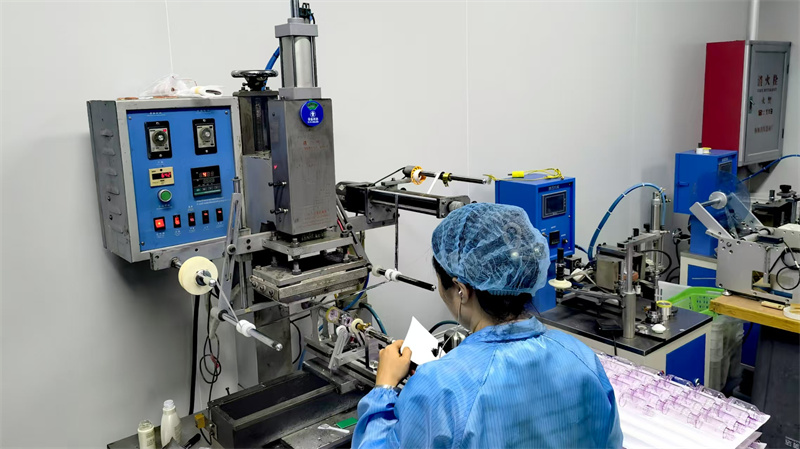
The primary challenge of any topical hair growth formulation is follicular delivery. The human stratum corneum is a highly effective barrier that limits the absorption of large active molecules. Therefore, developing high-performance hair growth serums requires specialized formulation technologies that help active ingredients penetrate down to the hair bulb.
Our scientific team uses custom micro-emulsions, liposomal encapsulation, and lipid nanoparticles to wrap active molecules. This increases their solubility and helps them pass through the lipophilic sebum inside the hair follicle. The key active ingredient categories we process include:
Synthetics such as Biotinoyl Tripeptide-1, Acetyl Tetrapeptide-3, and Copper Tripeptide-1 stimulate the synthesis of extracellular matrix proteins (like laminin 5 and collagen IV) in the dermal papilla. This helps anchor the hair follicle securely within the scalp, reducing premature fallout.
Dihydrotestosterone (DHT) is a key factor in androgenetic alopecia. Formulating with botanical blockers like Serenoa Serrulata, Pumpkin Seed Oil, and Zinc PCA helps limit the conversion of testosterone to DHT on the scalp, protecting sensitive hair follicles from miniaturization.
Nutrient delivery to the hair bulb relies heavily on local blood circulation. Actives like Anhydrous Caffeine, Rosemary Leaf Oil, and Ginseng Extract stimulate local microcirculation, extending the active growth phase (anagen phase) of the hair follicles.
Different commercial channels require tailored formulations, textures, and packaging designs. A formulation designed for professional clinical use may not suit consumer use in a retail environment. We customize formulations to match specific market scenarios:
These channels require high-concentration, ampoule-packaged serums optimized for use with microneedling, dermarolling, or low-level laser therapy (LLLT). The formulations are water-based and free from heavy oils or artificial silicones to prevent scalp irritation.
Salons prefer multi-step systems, including clarifying pre-shampoos, stimulating concentrates, and lightweight leave-in foams. These products focus on both immediate sensory performance (volume, shine, ease of styling) and long-term hair density improvements.
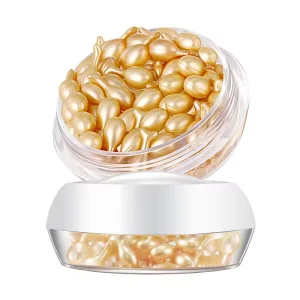
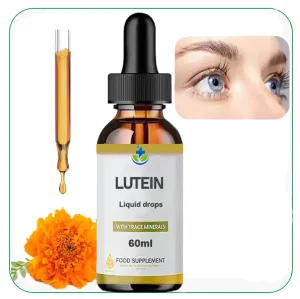
D2C brands need easy-to-use, photogenic, and highly stable packaging, such as airless dropper bottles or single-dose capsules. The formulations must have excellent sensory qualities, quick absorption, a non-greasy feel, and a clean scent to encourage daily use.
 ZenAtti Beauty