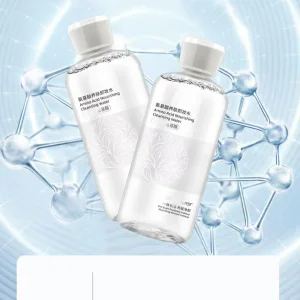
Discover our highly requested, clinically formulated brightening agents and specialized skin therapies engineered for global distribution and brand scaling.
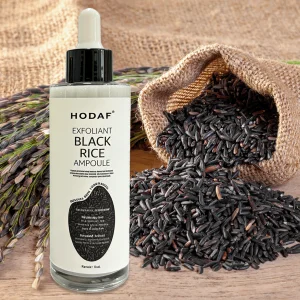
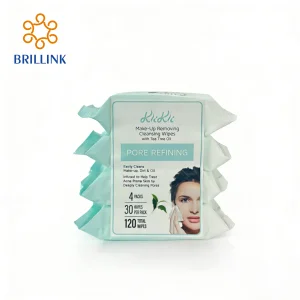
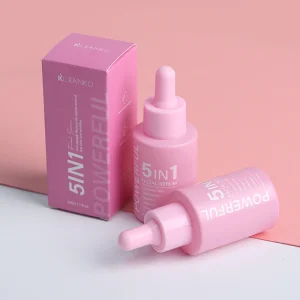
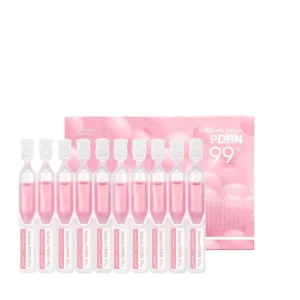
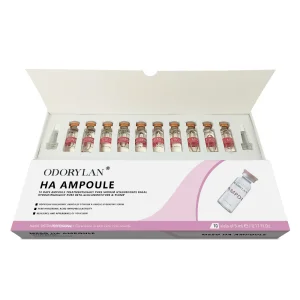
Analyzing cellular mechanism, dermatological innovation, and regulatory transitions reshaping global cosmetic markets.
Inhibiting transcription factors such as Microphthalmia-associated Transcription Factor (MITF) and neutralizing key triggers like UV-induced reactive oxygen species (ROS) to prevent the onset of pigment production.
Utilizing targeted competitive and non-competitive inhibitors such as Alpha Arbutin, Hexylresorcinol, and stable Vitamin C derivatives to block the oxidation of L-DOPA into dopaquinone.
Interfering with the transfer of mature melanosomes from melanocytes to neighboring keratinocytes using active agents like Niacinamide, coupled with accelerated epidermal turnover via mild exfoliation.
"To succeed in mature cosmetics markets such as North America and the European Union, exporters must transition away from controversial compounds (like hydroquinone) toward bio-mimetic peptides, stable vitamin complexes, and bio-ferment filtrates that deliver high Information Gain and clean safety profiles."
Your strategic partner for custom cosmetics, advanced formulations, and vertically integrated manufacturing.
Explore our state-of-the-art facilities, specialized machinery, and internal supply chain control stages.

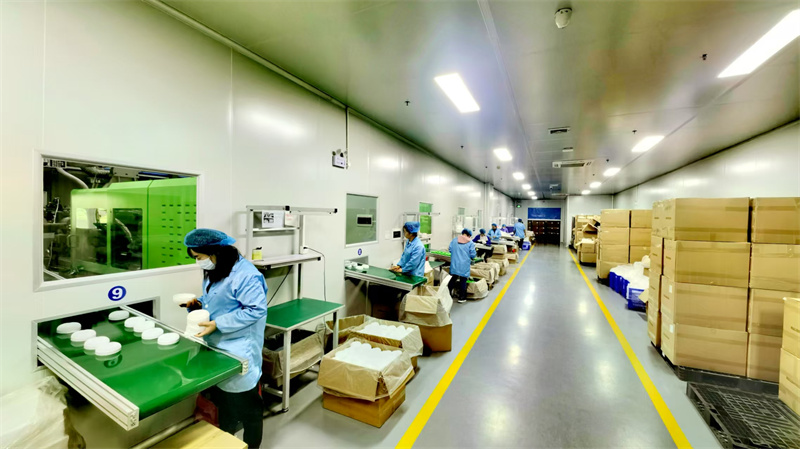
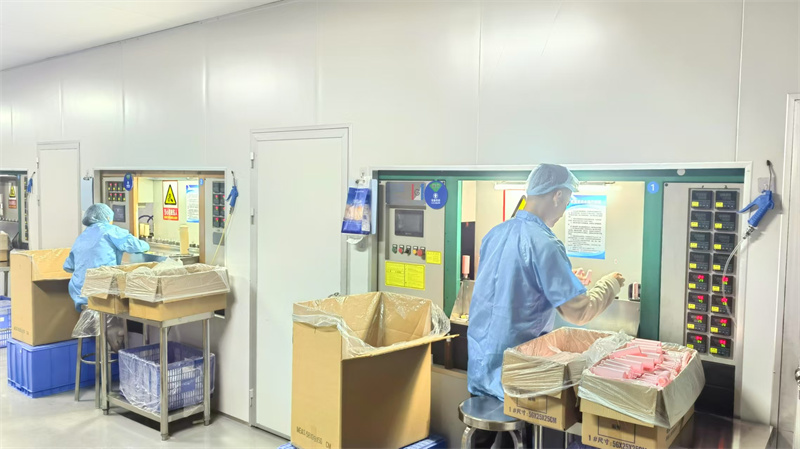
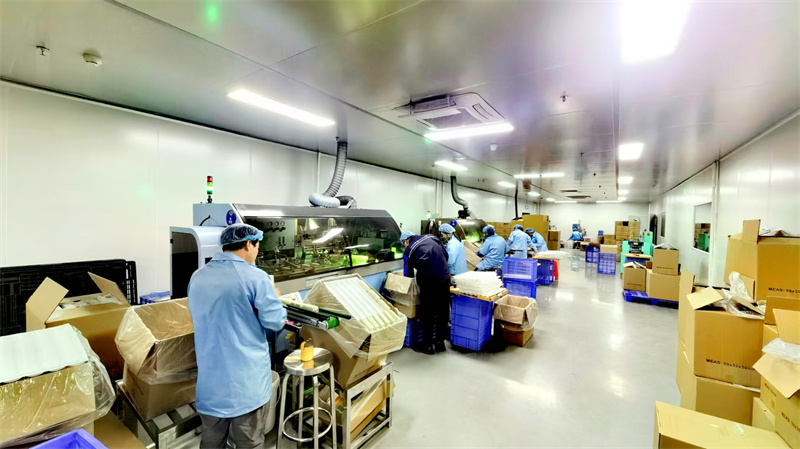
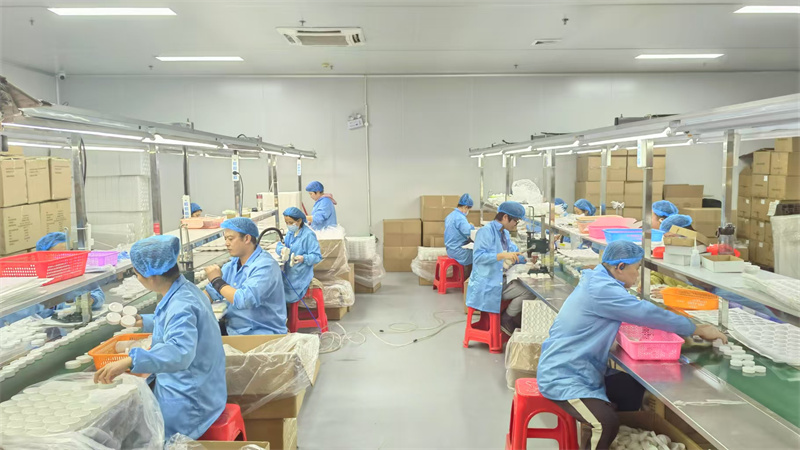



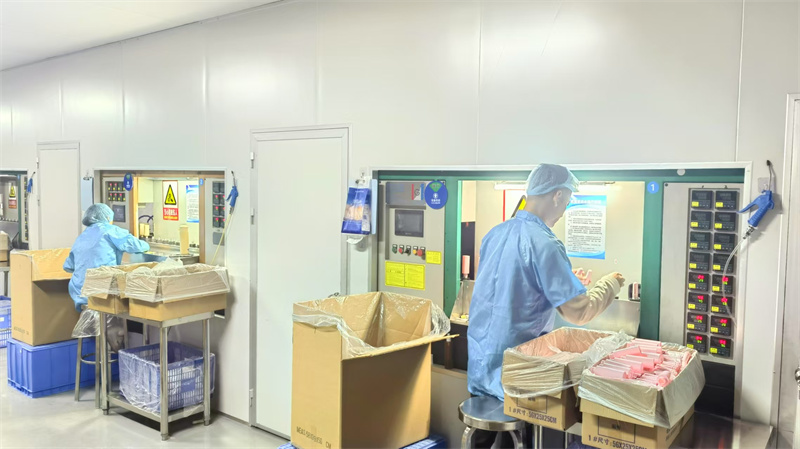
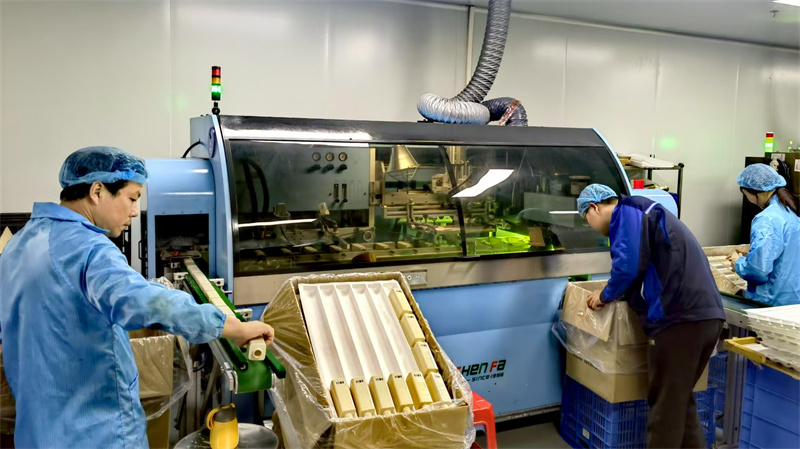
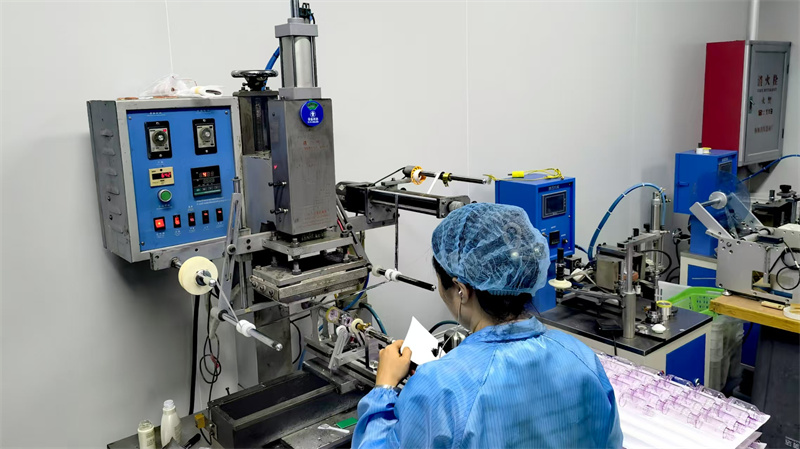
Deconstructing the operational friction and strategic criteria that international beauty brands prioritize during vendor vetting.
Integrating systemic market intelligence and clean-label science to elevate brand positioning.
Understanding the next generation of skin-tone management through research and biotechnology.
Future treatments will focus on modulating gene expression related to pigmentation. By identifying the specific microRNAs (miRNAs) that control melanosome maturation and movement, researchers can develop active compounds that regulate these genetic pathways, providing highly targeted treatment without damaging melanocyte cells.
As chemical synthesis faces regulatory restrictions and environmental concerns, bio-fermentation and plant stem-cell cultures will become the primary sources for brightening actives. Yeast and bacterial platforms will produce high-purity arbutin, kojic acid, and novel polyphenols, reducing water use, carbon footprint, and dependence on wild plant harvesting.
Addressing common questions regarding formulation customizability, testing standards, and manufacturing lead times.
Our complete range of skin care, anti-aging, and professional beauty solutions for international distributors.




 ZenAtti Beauty