Explore our diverse skincare, haircare, and professional cosmetics formulations built to global export standards.
An analytical breakdown of raw ingredient trends, chemical stability breakthroughs, and regional production output.
In the rapidly evolving global beauty market, Vitamin C serums have transitioned from optional cosmetic enhancers to foundational cornerstones of daily skincare regimens. As a primary driver of skin brightening, collagen synthesis, and free-radical neutralization, the demand for stable, highly bioavailable Vitamin C formulations has surged across major economic zones. Today’s global sourcing landscape requires procurement directors to look beyond mere unit costs and deeply evaluate the chemical competence, manufacturing practices, and cold-chain transport networks of potential manufacturing partners.
The primary challenge in manufacturing high-efficiency Vitamin C topical formulations is the inherent instability of the active molecule. L-Ascorbic Acid (L-AA), the most bioactive form of Vitamin C, is notoriously prone to oxidation upon exposure to light, air, and elevated temperatures. When oxidized, L-AA degrades into dehydroascorbic acid, which not only renders the formula ineffective but can also cause skin irritation and unpleasant odor. To bypass these limitations, top-tier factories have engineered sophisticated stabilization pathways.
Utilizing etherified derivatives such as 3-O-Ethyl Ascorbic Acid and Sodium Ascorbyl Phosphate (SAP) to offer superior thermal resistance and longer shelf-life.
Formulating with Ferulic Acid and Vitamin E (Tocopherol) to double the photo-protection capabilities and anchor the formulaic pH at a biologically optimal 3.0–3.5 range.
Deploying liposomal lipid shells to surround active ascorbic acid particles, delaying release until contact is made with skin lipid barriers.
For global exporters, satisfying these scientific requirements means deploying automated nitrogen-flushing systems during the filling phase, ensuring oxygen is displaced from the headspace of each bottle. Furthermore, the selection of raw materials must be pristine. Leading exporters in China and South Korea maintain close partnerships with global chemical suppliers (such as BASF and DSM) to secure pharmaceutical-grade raw materials with traceable Certificates of Analysis (COA).
Decoding what international brands, medical clinics, and retailers look for during cosmetic supplier audits.
Procurement intent within the B2B cosmetics sector is highly segmented based on the target market's regulatory frameworks and consumer purchasing power. While startup indie brands focus on low Minimum Order Quantities (MOQs) and standard stock formulations, multinational conglomerates and clinical spa chains demand comprehensive custom formulation capabilities, rigid clinical testing data, and supply chain transparency.
Compliance remains the most significant barrier in international cosmetic distribution. In the North American market, brands must ensure their Vitamin C suppliers comply with the Modernization of Cosmetics Regulation Act (MoCRA), which mandates adverse event reporting, facility registration, and robust product safety substantiation. In the European Union, manufacturers must provide a full Product Information File (PIF) and register products via the Cosmetic Products Notification Portal (CPNP).
| Target Region | Key Regulatory Certification Required | Formulation Preferences | Packaging Compliance |
|---|---|---|---|
| North America (US & Canada) | MoCRA Registered, FDA Voluntary Cosmetic Registration Program (VCRP), Cruelty-Free | 15%-20% High-potency L-Ascorbic Acid, clean clinical formulas, scent-free | Amber glass bottles, PCR plastic materials, FSC-certified cardboard boxes |
| European Union | ISO 22716, GMPC, CPNP Registered, Toxicological Safety Assessments | Stabilized derivatives (Ascorbyl Glucoside), eco-certified organic bases, vegan friendly | Recyclable glass, airless pump systems, minimal over-packaging |
| Southeast Asia (ASEAN) | ASEAN Cosmetic Directive, Halal Certification (MUI/JAKIM) | Brightening Focus (combined with Niacinamide), lightweight water-gels for humid environments | Affordable lightweight PET bottles, high-barrier light-blocking plastic coatings |
| East Asia (Japan/Korea) | Quasi-Drug Status (Japan), Functional Cosmetics Approval (KFDA) | Low irritation, highly refined textures, botanical blend carriers | Minimalist medical-grade design, high-precision droppers |
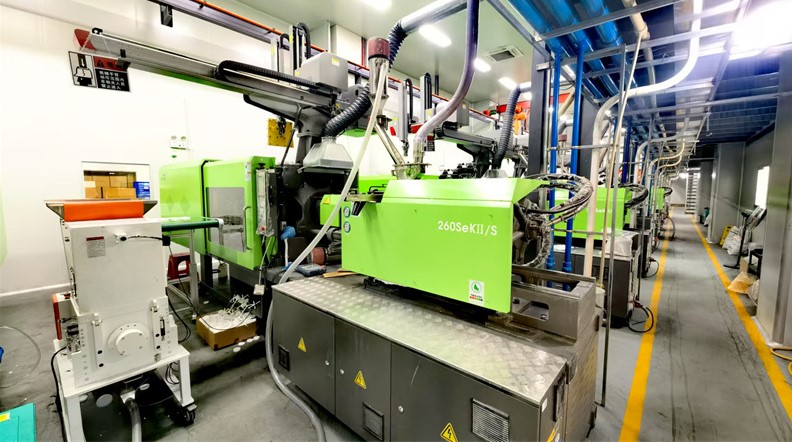
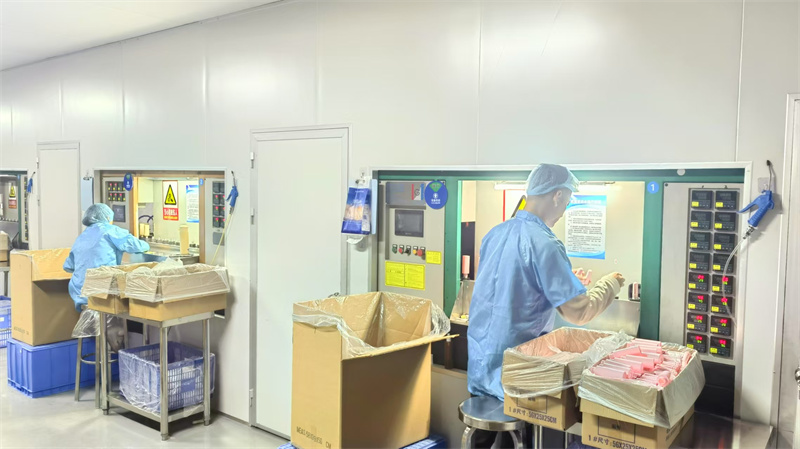
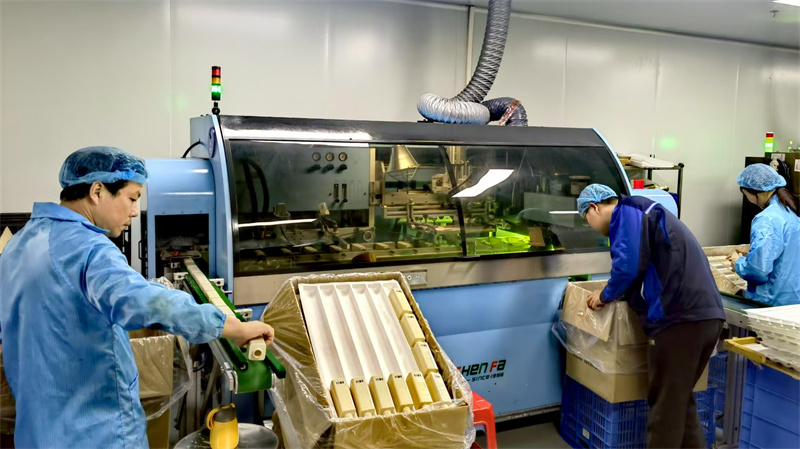
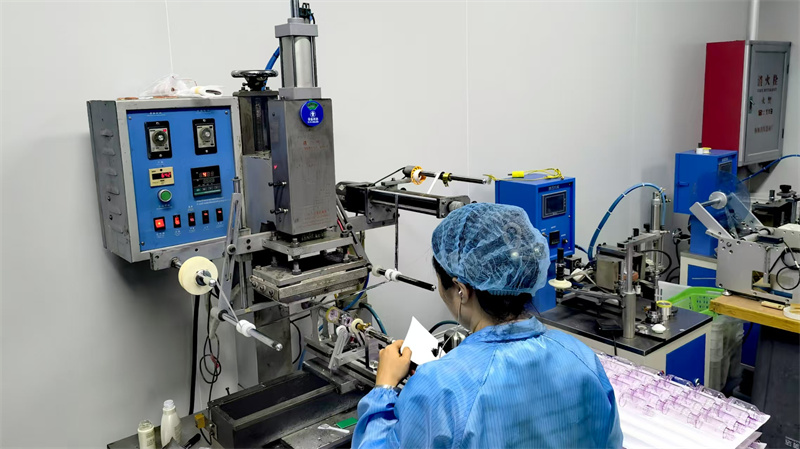
To cater to these varying parameters, modern exporters must provide a diverse, customizable portfolio. Factories that operate with vertically integrated production lines—where formulation, packaging manufacturing, decoration printing, and packing occur under one roof—consistently outperform isolated formulation laboratories. This integration allows for rapid adaptation to localized compliance parameters and minimizes the risk of supply chain delays.
How digital integration, automated quality gates, and geographical clusters keep Chinese exporters globally competitive.
The narrative of Chinese cosmetic manufacturing has undergone a massive paradigm shift. No longer defined simply by high-volume, low-cost assembly lines, China's beauty supply chain is leading the way in Factory 4.0 digitization. Through real-time sensory tracking, automated raw material dispensing, and closed-loop quality telemetry, modern Chinese cosmetic factories ensure that high-active serums are produced with medical-grade consistency.
Guangdong province, specifically the Pearl River Delta, stands as the epicentre of this technological revolution. This geographic cluster offers an unmatched supply ecosystem: raw material synthesis plants, specialty glass blowers, precision injection molders, and design agencies operate within a 50-kilometer radius. This high density of specialized vendors protects the supply chain against global disruptions, drastically reducing lead times from the industry standard of 90 days down to 35–45 days.
At the heart of this operational excellence is the integration of automated quality control (QC) gates. By employing inline spectral analyzers, high-speed camera checkers, and real-time viscosity sensors, factories can immediately flag minor deviations during emulsion processes. For delicate formulations like Vitamin C, which can oxidize in a matter of hours if exposed to improper thermal profiles or trace mineral contaminants, these automated safeguards are essential for producing stable products destined for long ocean voyages.
Partnering for Global Success with Leading Skincare Manufacturing Infrastructure
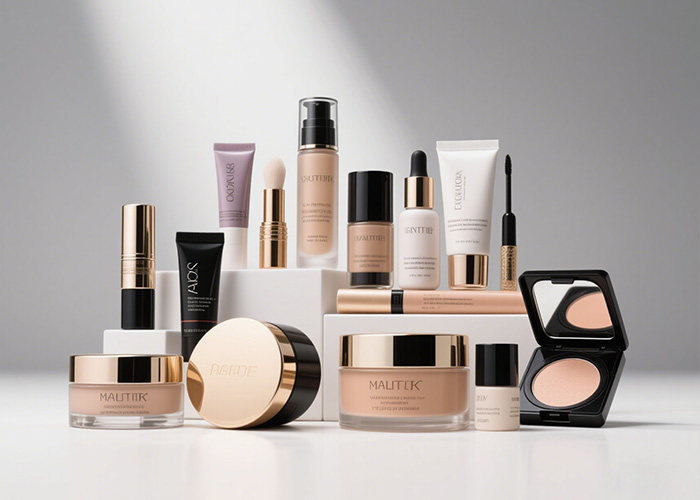
At Guangdong ZenAtti Beauty Co., Ltd., we are dedicated to delivering premium-quality cosmetic products and creating lasting value for our customers worldwide. With a strong commitment to innovation, quality, and customer satisfaction, we have established ourselves as a trusted manufacturer and partner in the global beauty industry.
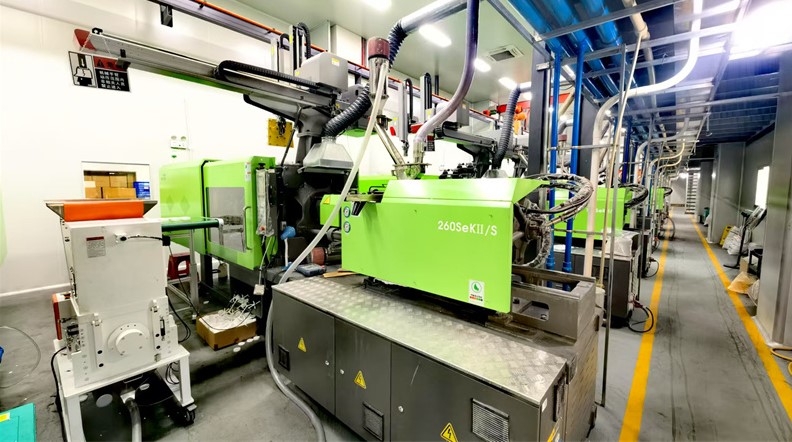
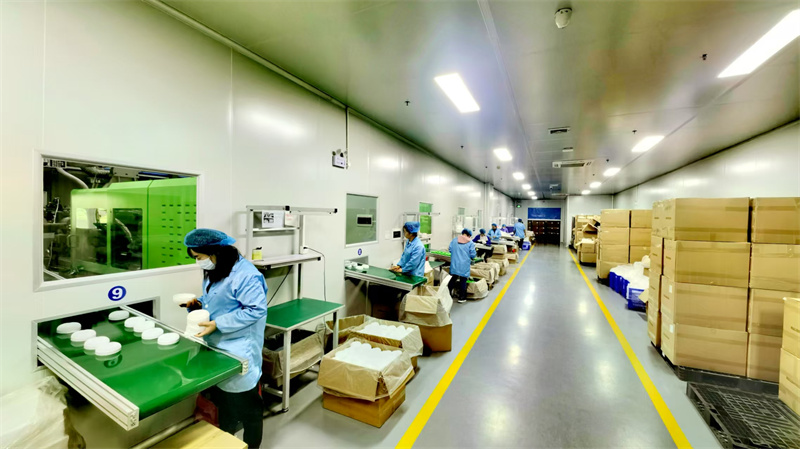
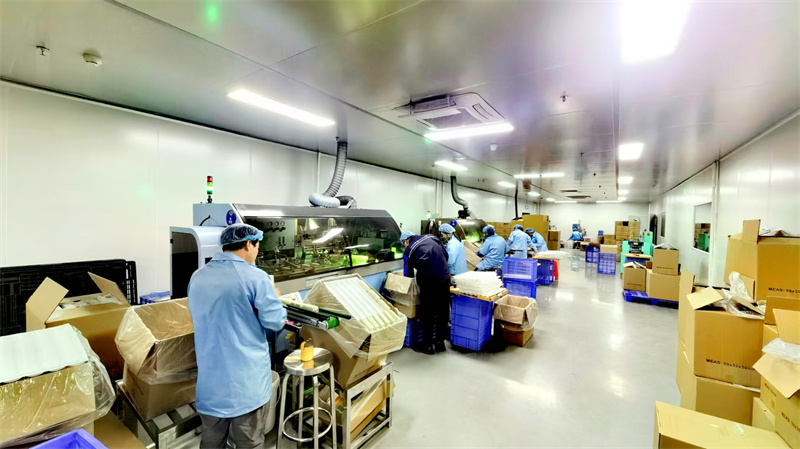
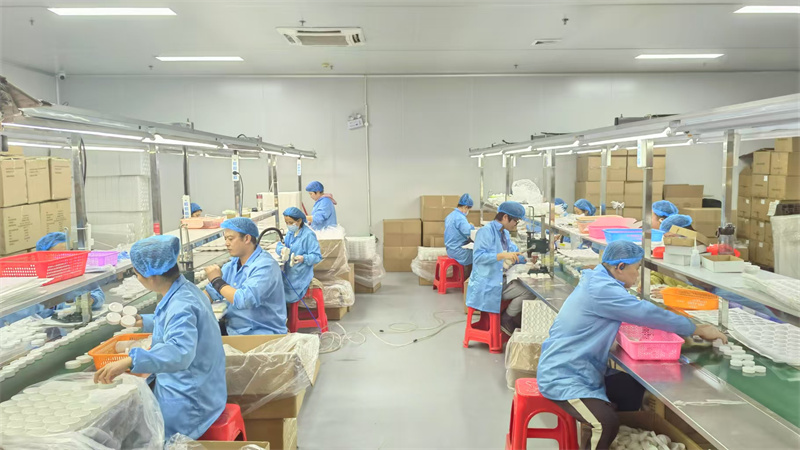
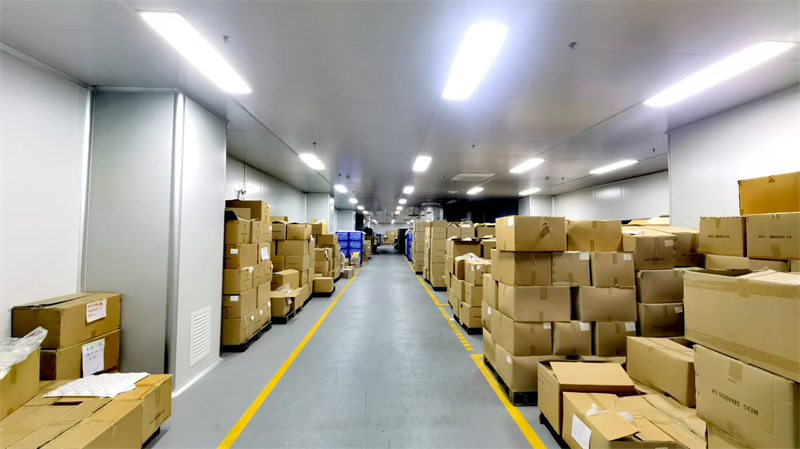
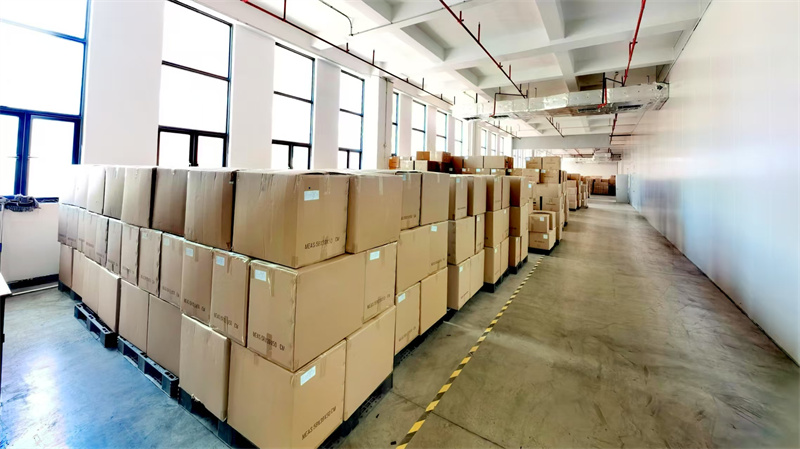
Our modern manufacturing facility covers an area of 34,000 square meters and is equipped with 20 advanced production lines, enabling efficient production, stable supply capacity, and fast lead times. This allows us to respond quickly to market demands while ensuring consistent product quality and reliable delivery for our partners.
Specializing in the development and production of cosmetics and beauty care products, we offer a comprehensive range of solutions designed to meet the evolving needs of consumers and brands. Our product portfolio includes makeup products, skincare essentials, beauty accessories, and customized cosmetic solutions.
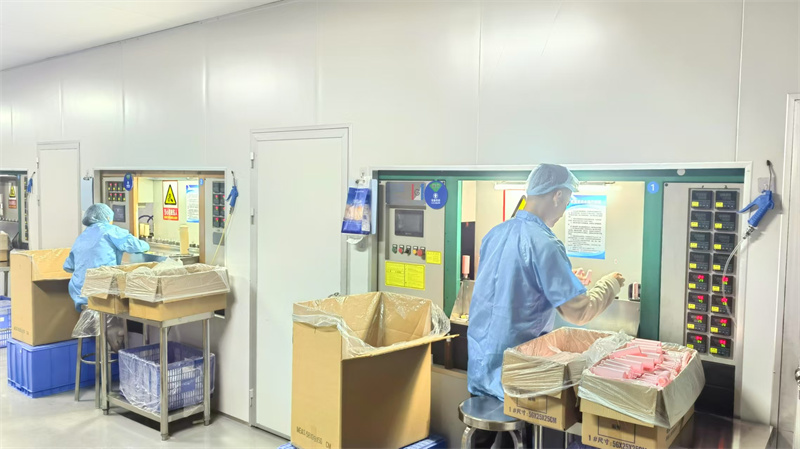
Quality is at the core of everything we do. From raw material sourcing to manufacturing and final inspection, every stage of production is carefully monitored under strict quality control systems. Our dedication to excellence has earned the trust of customers in more than 80 countries and regions, making Guangdong ZenAtti Beauty a reliable partner for brands seeking sustainable growth and long-term success in international markets.
Supported by a team of over 100 experienced and highly skilled professionals, we provide comprehensive services ranging from product development and formulation to packaging design, production, and logistics support. Our responsive customer service and professional expertise ensure a seamless and efficient cooperation experience from initial inquiry to final delivery.
Vertical integration in action: from raw plastic pellets to decorated finished products ready for global distribution.
Adapting raw materials and carriers to match local consumer preferences and environmental demands.
Successful distribution of skin serums requires localized customization of the vehicle matrix. A formulation that performs exceptionally well in dry, temperate climates like Northern Europe might feel sticky or trigger breakouts in warm, humid regions like Southeast Asia. To ensure high patient adherence and brand loyalty, Vitamin C serums must be customized for their specific target markets.
In hot, equatorial regions, buyers search for lightweight, oil-free formulations. Exporters achieve this by using water-soluble derivatives like Sodium Ascorbyl Phosphate (SAP), combined with humectants like Hyaluronic Acid and Niacinamide in a gel base. For mature skincare markets in North America and Western Europe, consumers favor rich, emulsion-based serums containing lipid-soluble Tetrahexyldecyl Ascorbate (THD) or pure L-Ascorbic Acid suspended in anhydrous silicone matrices to provide rich emollient benefits.
Additionally, the incorporation of secondary active ingredients depends on regional skin conditions. For instance, in East Asian markets, where post-inflammatory hyperpigmentation (PIH) is a major concern, Vitamin C is commonly paired with Tranexamic Acid or Alpha-Arbutin. In Western countries, where solar damage and fine lines dominate anti-aging treatments, the classic combination of Vitamin C, Ferulic Acid, and Peptides remains the gold standard.
Expert answers to common technical, regulatory, and production questions about importing skin and hair care products.
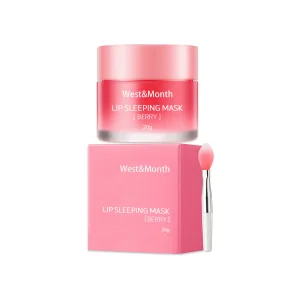
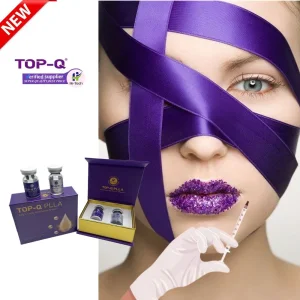
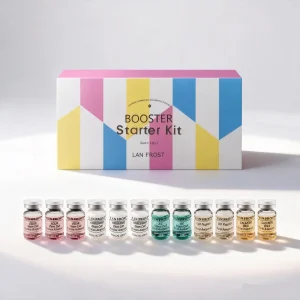
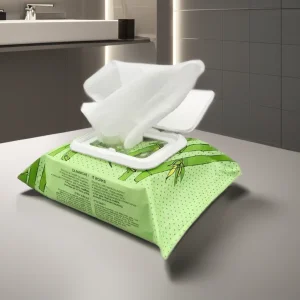
Premium anti-aging serums, specialty creams, lip care, and specialized medical cosmetic solutions.
 ZenAtti Beauty