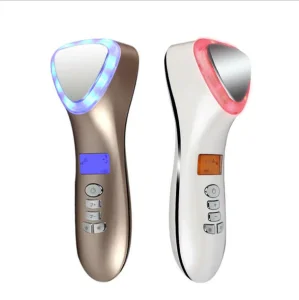
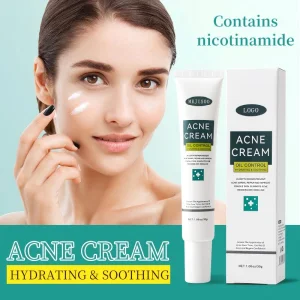
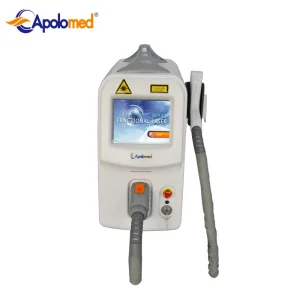
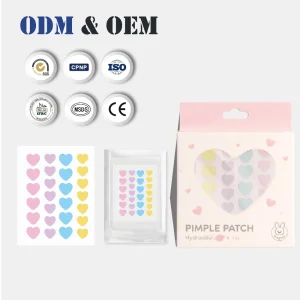
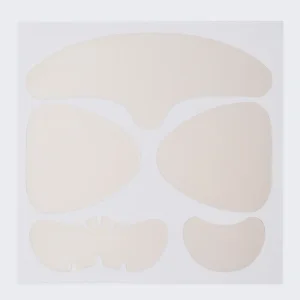
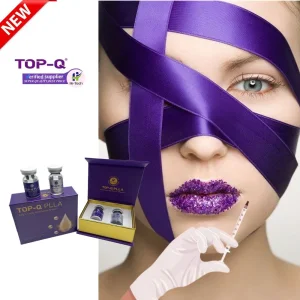
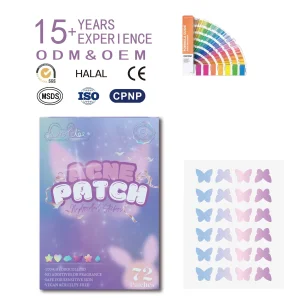
High-stability, dermatologist-tested solutions curated to address the specific epidermal challenges of the sub-Saharan climate.
Namibia's beauty and cosmetic sector is undergoing a rapid transition. Driven by urbanization in major metropolitan hubs like Windhoek, Swakopmund, and Walvis Bay, consumer awareness regarding clinical skincare has surged. Historically reliant on basic emollient formulas, the modern Namibian demographic is actively seeking active-driven, non-comedogenic remedies specifically designed to combat acne, pustules, and post-acne hyperpigmentation.
The unique sub-Saharan geography of Namibia presents distinctive challenges for epidermal health. The combination of intense ultraviolet radiation (often exceeding UV index 11), arid inland heat, and coastal salinity creates a dual stressor: the skin's moisture barrier is easily compromised, sparking compensatory hyper-seborrhea (overproduction of oil). This biological response, coupled with airborne dust and pollen, leads to highly congested pores and severe inflammatory breakouts.
To capture this shifting consumer base, local importers and brands must shift away from heavy, oil-based formulations toward lightweight hydrocolloid barriers, gentle chemical exfoliants, and targeted spot treatments that preserve the skin's lipid barrier while offering maximum anti-inflammatory efficacy.
Why direct factory importing is replacing traditional multi-tiered wholesale models in Windhoek and Walvis Bay.
Namibia operates as a key member of the Southern African Development Community (SADC) and the Southern African Customs Union (SACU). Importing cosmetics through the Port of Walvis Bay provides a strategic entry corridor not just for local consumption, but for inland transit to landlocked neighbors including Botswana, Zambia, and Zimbabwe. Importers face strict scrutiny regarding ingredient declaration, heavy metal testing, and microbiological purity.
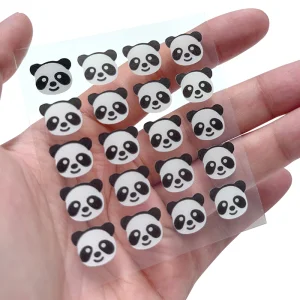
Local distributors encounter significant warehousing issues due to high temperature fluctuations. Traditional acne creams with poor emulsion stability frequently separate under high-heat storage. This makes the import of high-stability formulations, vacuum-sealed hydrocolloid patches, and medical-grade beauty equipment vital for maintaining retail product efficacy at the point of consumption.
Guangdong ZenAtti Beauty Co., Ltd. is dedicated to delivering premium-quality cosmetic products and creating lasting value for our customers worldwide. With a strong commitment to innovation, quality, and customer satisfaction, we have established ourselves as a trusted manufacturer and partner in the global beauty industry.
Our modern manufacturing facility covers an area of 34,000 square meters and is equipped with 20 advanced production lines, enabling efficient production, stable supply capacity, and fast lead times. This allows us to respond quickly to market demands while ensuring consistent product quality and reliable delivery for our partners.
Supported by a team of over 100 experienced and highly skilled professionals, we provide comprehensive services ranging from product development and formulation to packaging design, production, and logistics support. Our responsive customer service and professional expertise ensure a seamless and efficient cooperation experience from initial inquiry to final delivery.
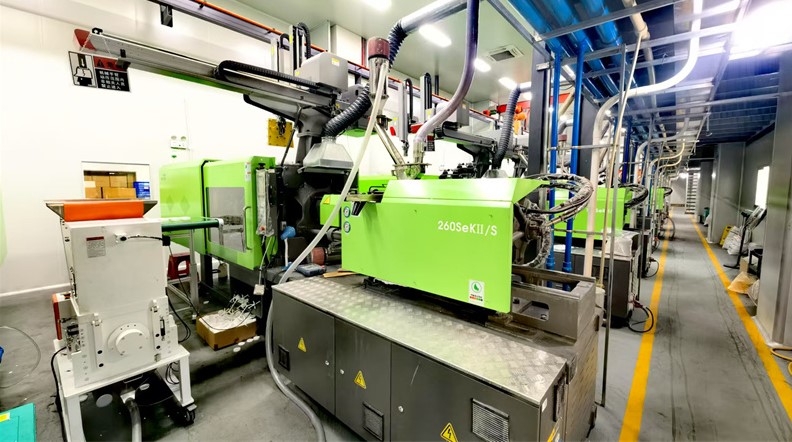 Injection Molding
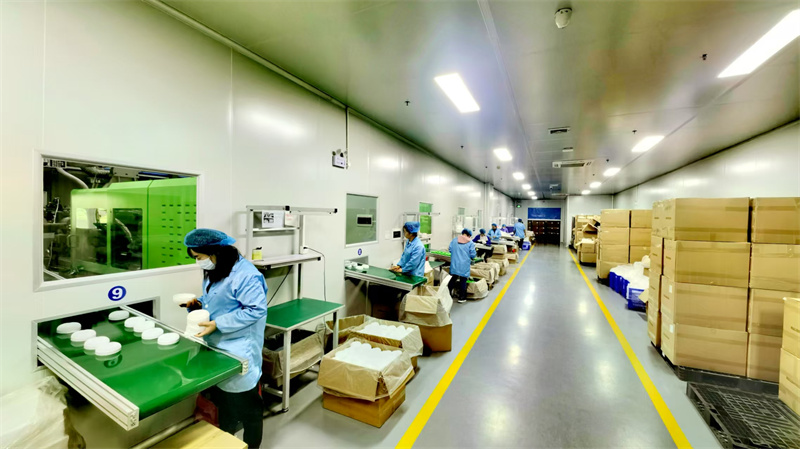 QC Inspection
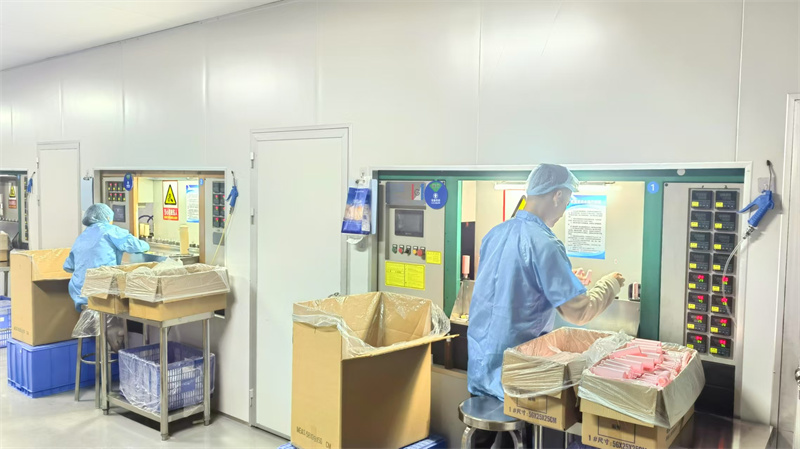 Bottle Blowing
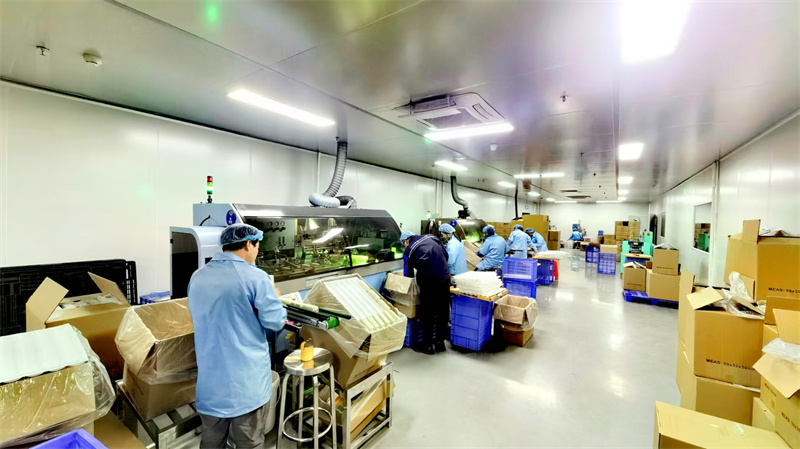 Silk-screen Printing
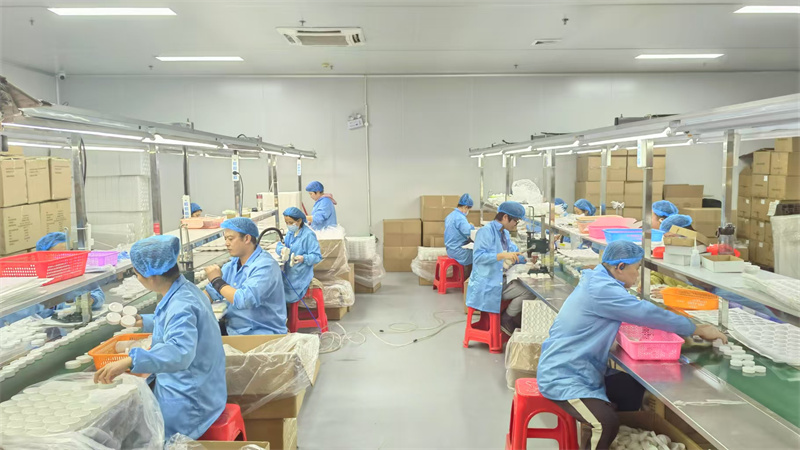 Final Assembly
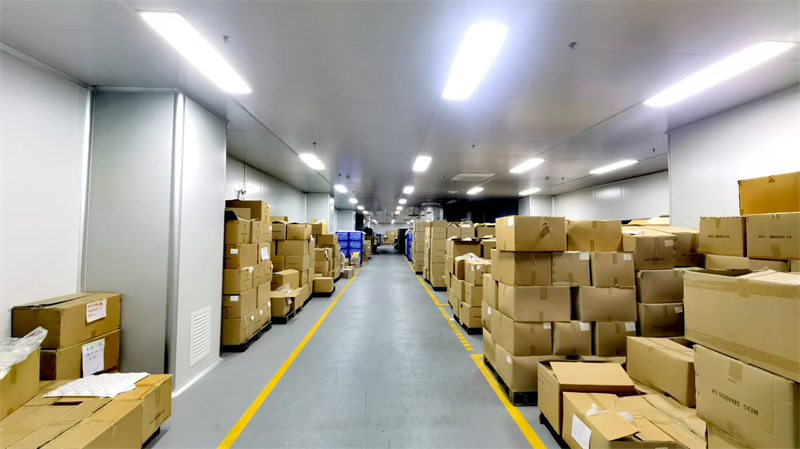 Finished Goods Warehouse
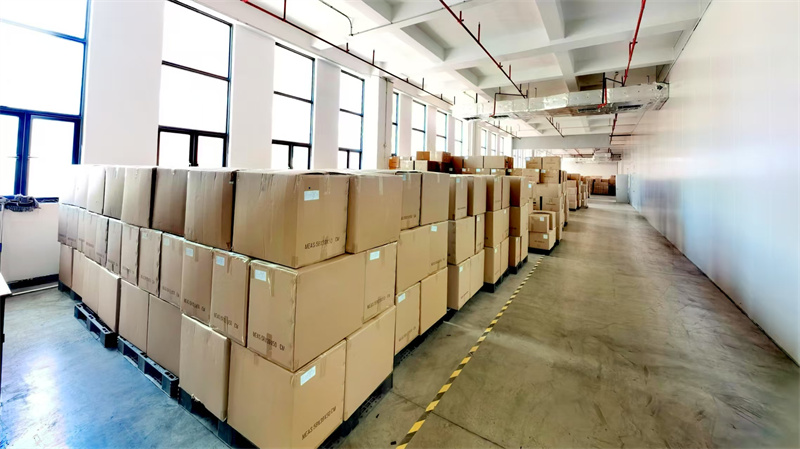 Raw Material Storage
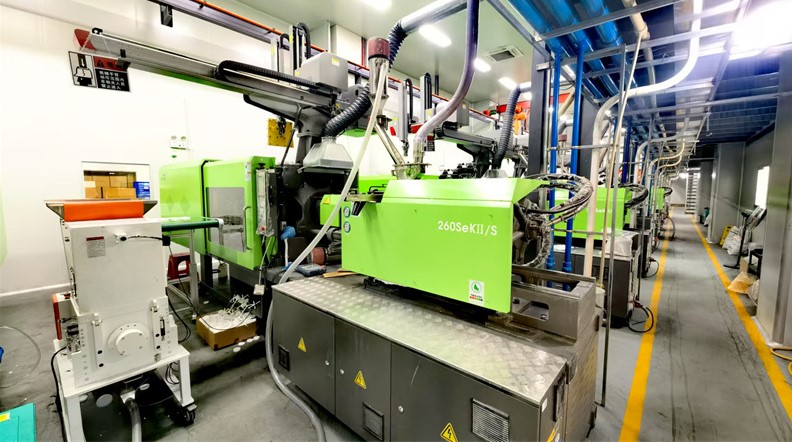 Injection Molding Machinery
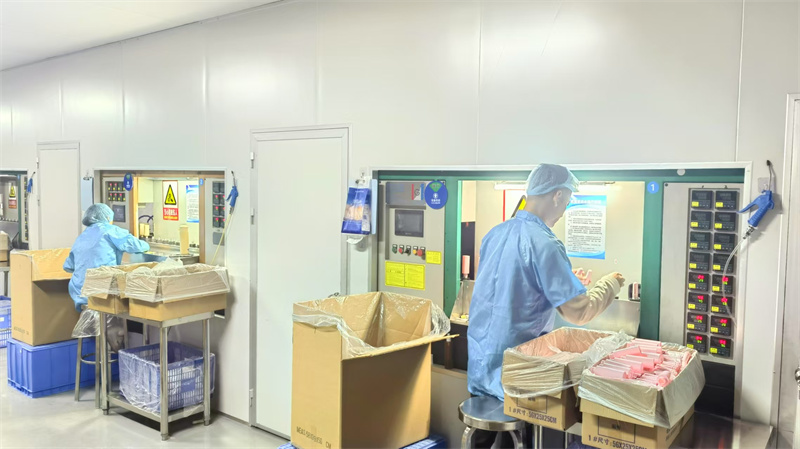 Blowing Equipment
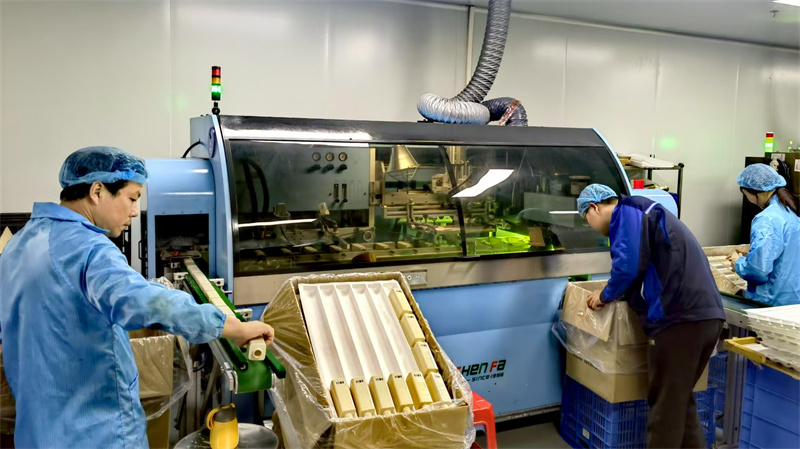 Auto Silk-screen Line
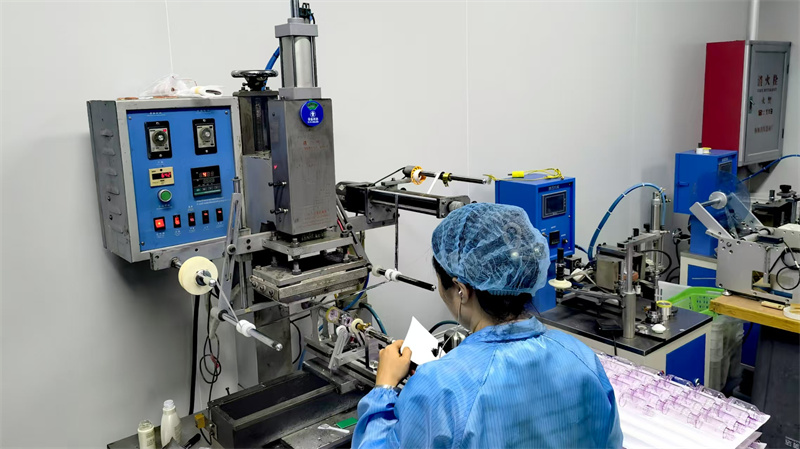 Precision Silk-screen
Successful cosmetic importation in the Namibian market relies on targeted formulation. Our R&D team works closely with global partners to design active acne treatments that maintain systemic stability while delivering rapid epidermal relief. Key formulation strategies include:
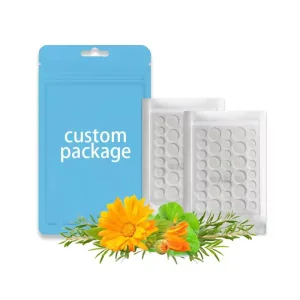
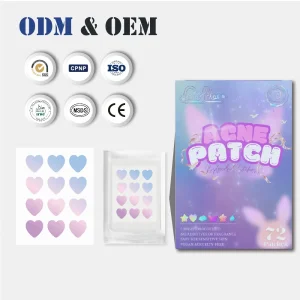
For major retail chains in Windhoek and pharmaceutical distributors, packaging customization (OEM/ODM) is essential for brand preservation and competitive positioning. ZenAtti offers a comprehensive turnkey solution:
Navigating product registration, safety requirements, and supply chains for seamless Southern African trade.
The import of cosmetics and therapeutic skincare in Namibia is overseen by the Ministry of Health and Social Services (MoHSS). While general cosmetics face minimal restrictions, products marketed as "acne treatments" or containing active pharmaceuticals (such as high concentrations of salicylic acid or micro-needles) may fall under border classification guidelines. Sourcing from a GMP-certified factory like Guangdong ZenAtti Beauty ensures all products are backed by ISO 22716 certification, Safety Data Sheets (SDS), and Certificate of Analysis (COA) records to facilitate swift border clearance at the port of entry.
Our dedicated export department handles standard FOB, CIF, or DDP shipments. Goods departing from Shenzhen or Guangzhou ports are routed via major maritime lanes to Walvis Bay. From there, goods are transported via the Trans-Kalahari Corridor to Windhoek or onward to regional distribution centers. All consignments are packed on export-grade plastic pallets with heavy shrink-wrap protection to secure the structural integrity of the cosmetic boxes during transition across multiple climates.
High-performance formulations, hydrocolloid technologies, and clinical skincare instruments available for wholesale procurement.
Innovative skincare engineering and sustainable production pipelines driving the next decade of anti-blemish solutions.
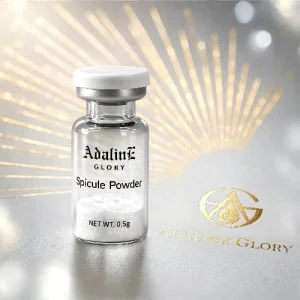
The industry is transitioning toward dissolving micro-needle patches. Composed of crystallized hyaluronic acid and active anti-acne compounds (such as salicylic acid or niacinamide), these micro-needles painlessly penetrate the stratum corneum to deliver therapeutic actives directly to the focal point of the subcutaneous inflammation. This represents a paradigm shift from simple topical applications, offering rapid overnight blemish reduction.
Environmental impact is becoming a primary B2B purchasing driver. Future R&D efforts are focused on sourcing bioplastics and bio-degradable hydrocolloid matrices derived from natural polysaccharides. This aligns with international standards for circular beauty packaging and appeals to environmentally conscious consumer segments in Namibia.
Important operational, logistic, and formulary questions answered for retail buyers and cosmetics importers in Southern Africa.
For standard hydrocolloid acne patches with customized outer boxes or printed backing sheets, our baseline MOQ starts at 5,000 to 10,000 retail boxes depending on the complexity of the custom shape. For custom formula creams and liquid treatments, the standard production minimum is typically 3,000 units per formulation batch. Smaller testing quantities can be negotiated for initial test-market validations in Windhoek.
All formulations are subjected to rigorous heat-stability testing within environmental chambers, simulating prolonged exposure to 40°C-45°C. For physical barriers such as hydrocolloid patches, we employ advanced cross-linked adhesives that preserve structural cohesion and prevent adhesive transfer or melting during transit. In addition, we recommend selecting barrier-protected aluminum-mylar foils for regional retail display.
As a global exporter, we supply a comprehensive documentation package required by Port of Walvis Bay customs and the Namibian Ministry of Health. This includes ISO 22716:2007 (GMP) certificates, detailed Certificate of Analysis (COA) reports, Material Safety Data Sheets (MSDS) in English, packing lists, and commercial bills of lading. All product packaging is marked with exact batch codes and manufacturing stamps for trackability.
Yes. Melasma and dark spots resulting from acne lesions are highly prevalent in regions with high UV index values like Namibia. We specialize in compounding blemish treatments containing clinically proven whitening agents such as Niacinamide, Kojic Acid, Spongilla Extract, and Tranexamic Acid. These inhibit localized melanin production while keeping the formula gentle and non-comedogenic.
Standard ocean freight from our Guangdong manufacturing plant to the Port of Walvis Bay requires approximately 30 to 45 calendar days, excluding customs processing time. Air freight options are available for premium, high-value cosmetic instruments, decreasing the delivery transit window to 7 to 10 working days.
 ZenAtti Beauty