High-efficacy therapeutic solutions optimized for local consumer demands, technology-driven ergonomics, and advanced formulations.
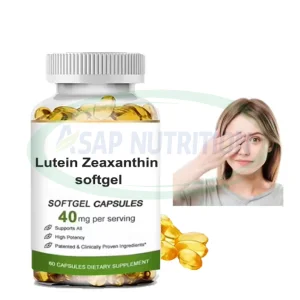
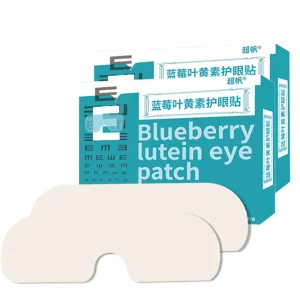
As a global epicenter for technology, aerospace, and biomedical engineering, the Seattle metropolitan area presents a unique set of consumer demographics and industrial challenges. With corporate giants like Microsoft, Amazon, Expedia, and numerous biotechnology laboratories calling the Pacific Northwest home, Seattle's workforce has some of the highest screen-exposure rates globally. Consequently, local demand has pivoted from basic beauty accessories to high-performance, clinical-grade eye care products designed to combat computer vision syndrome (CVS) and digital eye strain.
The region's climate also plays a decisive factor. Dry office environments coupled with typical Pacific Northwest weather patterns exacerbate seasonal dry eye issues, making transdermal hydration patches, lutein and zeaxanthin eye supplements, and self-heating steam therapeutic masks indispensable daily wellness tools for Seattle's population. This document outlines how global eye care factories and exporters can bridge the procurement gap, supplying high-quality formulations compliant with FDA requirements to the regional market.
The Seattle metropolitan market shows a high concentration of consumers seeking "Clean Beauty" and bio-compatible therapeutics. Importers, clinical distributors, and retail brands are currently prioritizing formulation integrity, active-ingredient sustainability, and verified testing protocols when vetting overseas manufacturers.
For international buyers and local exporters catering to Seattle and the broader United States market, three major paradigm shifts are redefining product development pipelines:
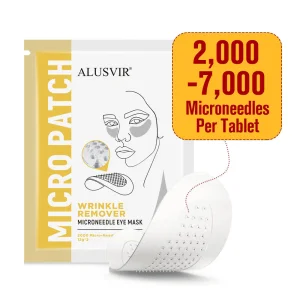
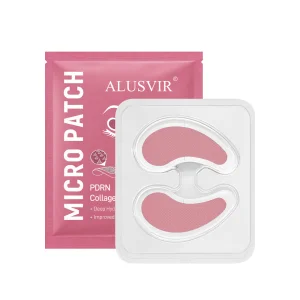
Traditional topical creams suffer from low absorption coefficients due to the skin's natural barrier. Soluble microneedle patches (incorporating hyaluronic acid, peptides, and marine DNA like Salmon PDRN) represent a technical leap. These micro-arrays dissolve upon contact with dermal moisture, delivering nutrients straight to target tissue layers. Seattle's tech-savvy demographic values this direct, clinical-grade solution over conventional eye creams.
Ingredients such as natural lutein, zeaxanthin, and blueberry anthocyanins are highly sought after in both dietary supplements and topical formulations. Manufacturers who prioritize high-purity extraction techniques (such as CO2 supercritical extraction) gain a massive competitive edge in Seattle’s eco-conscious, clean-label marketplace.
The integration of physical therapy and skincare is a rapidly accelerating segment. Handheld electrical microcurrent wands and wireless heated massage devices are no longer luxury items; they are essential recovery devices for digital workers. Heated disposable steam masks utilize gentle, exothermic mineral oxidation to deliver warm compress therapy to the eyes, alleviating fatigue and stimulating local microcirculation.
Uncompromising standards in global beauty, cosmetic, and wellness manufacturing.
At Guangdong ZenAtti Beauty Co., Ltd., we are dedicated to delivering premium-quality cosmetic products and creating lasting value for our customers worldwide. With a strong commitment to innovation, quality, and customer satisfaction, we have established ourselves as a trusted manufacturer and partner in the global beauty industry.
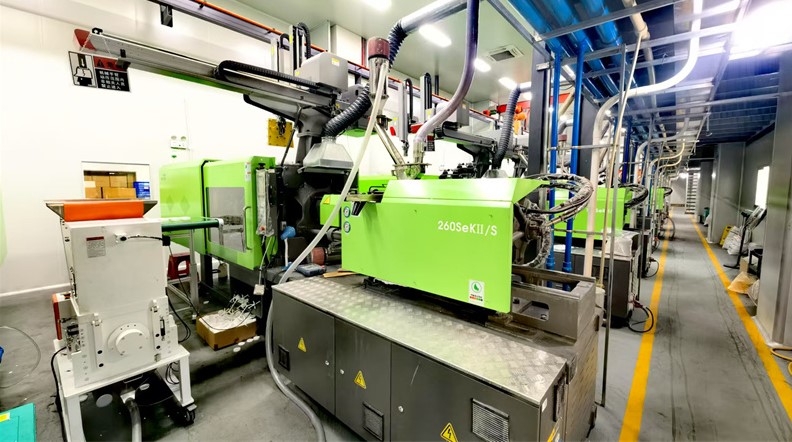
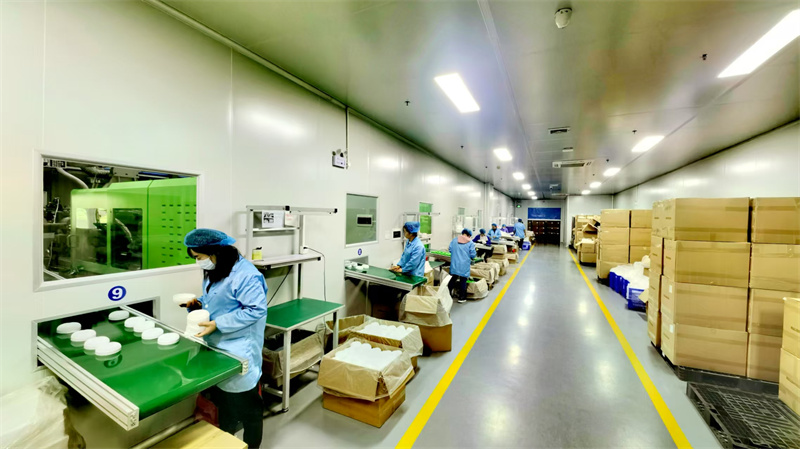
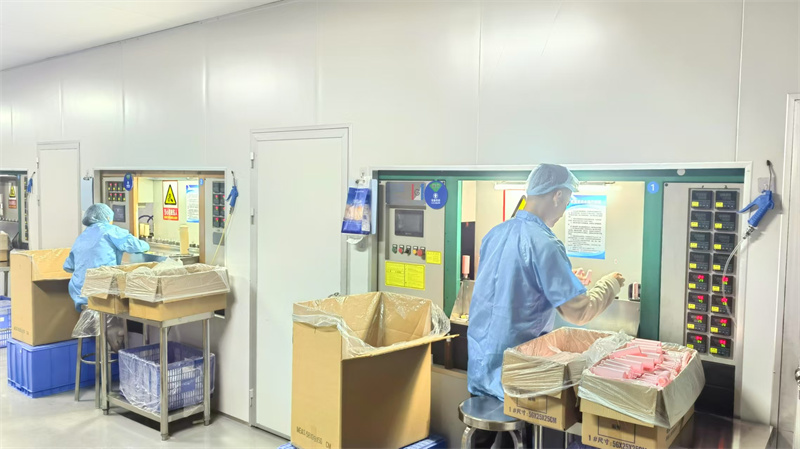
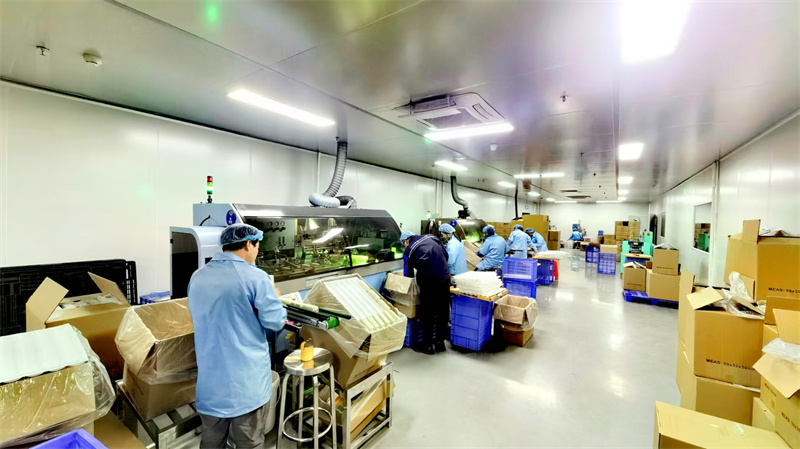
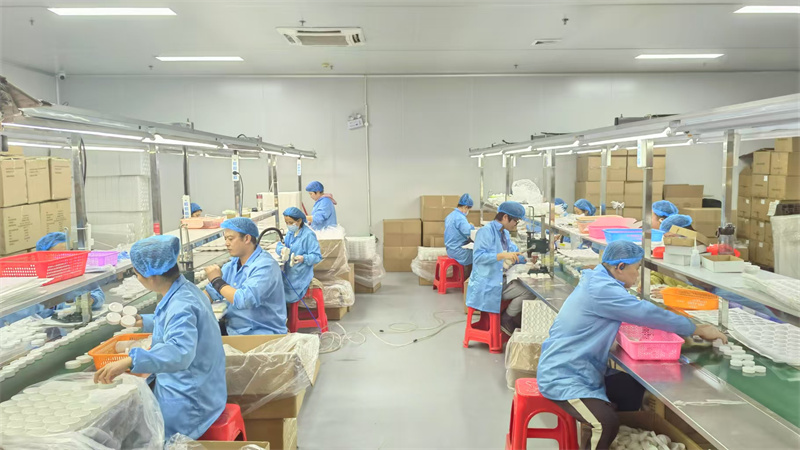
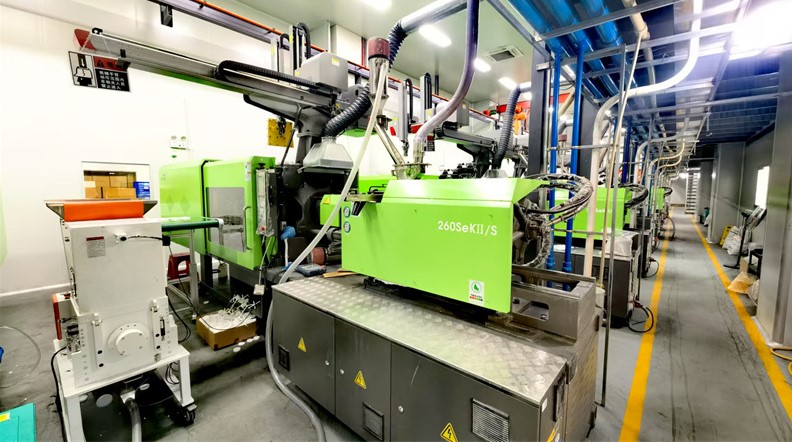
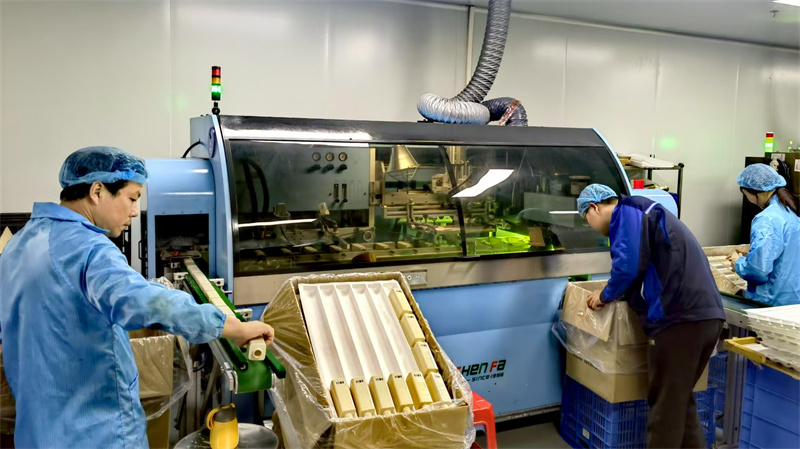
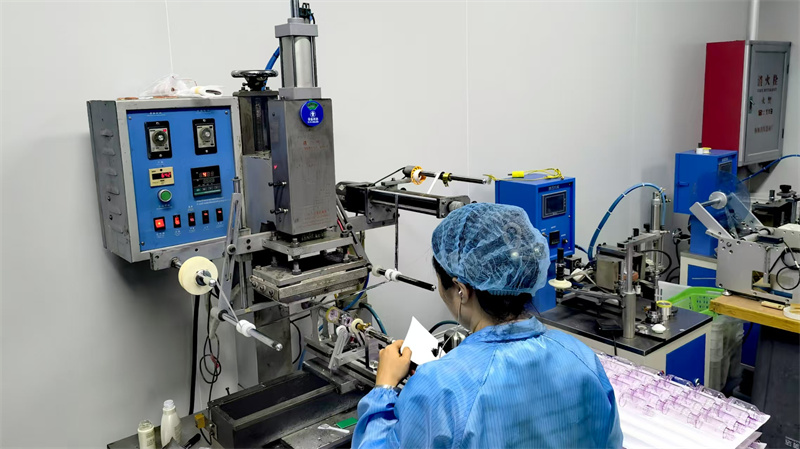
Our modern manufacturing facility covers an area of 34,000 square meters and is equipped with 20 advanced production lines, enabling efficient production, stable supply capacity, and fast lead times. This allows us to respond quickly to market demands while ensuring consistent product quality and reliable delivery for our partners.
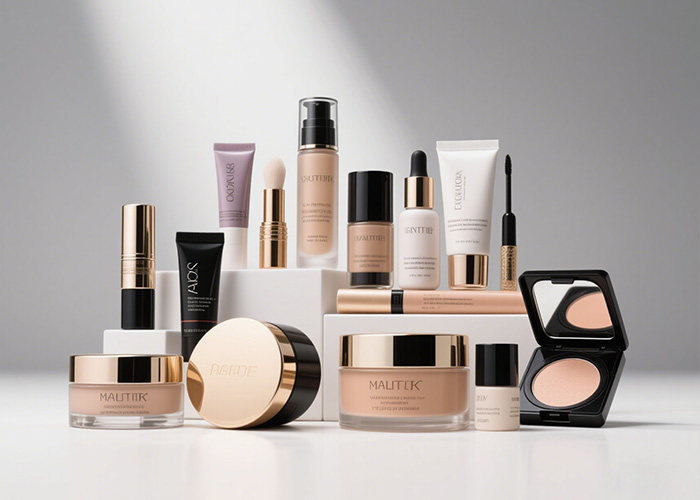
Specializing in the development and production of cosmetics and beauty care products, we offer a comprehensive range of solutions designed to meet the evolving needs of consumers and brands. Our product portfolio includes makeup products, skincare essentials, beauty accessories, and customized cosmetic solutions. By closely following global beauty trends and consumer preferences, we continuously develop innovative products that combine performance, safety, and style.
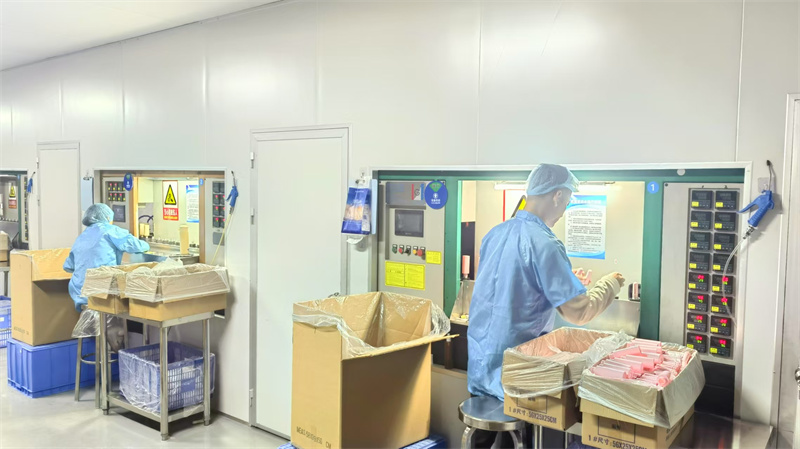
Quality is at the core of everything we do. From raw material sourcing to manufacturing and final inspection, every stage of production is carefully monitored under strict quality control systems. Our dedication to excellence has earned the trust of customers in more than 80 countries and regions, making Guangdong ZenAtti Beauty a reliable partner for brands seeking sustainable growth and long-term success in international markets.
Supported by a team of over 100 experienced and highly skilled professionals, we provide comprehensive services ranging from product development and formulation to packaging design, production, and logistics support. Our responsive customer service and professional expertise ensure a seamless and efficient cooperation experience from initial inquiry to final delivery.
As a forward-thinking company in the cosmetics industry, Guangdong ZenAtti Beauty continuously invests in advanced technology, research and development, and manufacturing innovation. We are committed to creating high-performance, safe, and market-driven beauty products that help our customers strengthen their brands and stay competitive in a rapidly changing marketplace.
Driven by our passion for beauty and excellence, Guangdong ZenAtti Beauty Co., Ltd. remains dedicated to building long-term partnerships and delivering products that inspire confidence, enhance beauty, and create value for customers around the world.


Importing beauty products, dietary supplements, and therapeutic devices into the USA—particularly through the highly regulated Port of Seattle—demands meticulous compliance framework planning. Below, we break down the necessary regulatory hurdles and logistics requirements for importers.
Products intended for eye relief, such as lutein supplements and transdermal therapeutic patches, are strictly categorized by the US Food and Drug Administration (FDA). In the USA:
The Port of Seattle and the Port of Tacoma together form the Northwest Seaport Alliance, representing a critical gateway for maritime freight. Because eye care products (especially biological gel patches and liquid vitamins) are highly sensitive to heat and moisture, maintaining an unbroken "cold chain" or utilizing climate-controlled containers is critical. Proactive exporters collaborate with regional third-party logistics (3PL) providers in King and Pierce counties to manage buffer stocks, avoiding winter shipping delays and seasonal bottlenecks.
Always verify that your exporter provides complete Certificate of Analysis (CoA) documentation, Safety Data Sheets (SDS) for gel patches, and FCC/CE certifications for all electrical heating/massager components. Clear documentation significantly decreases customs clearance duration at Seattle ports.
A diverse catalogue of high-demand items supporting wellness, clinical treatment, and restorative applications in Seattle markets.
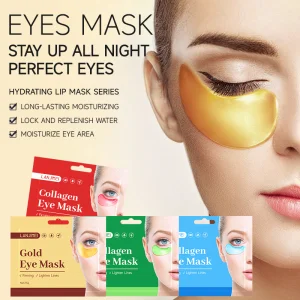
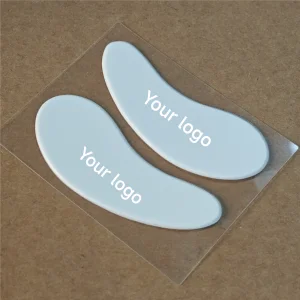
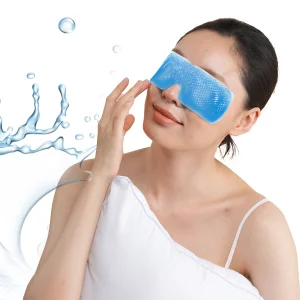
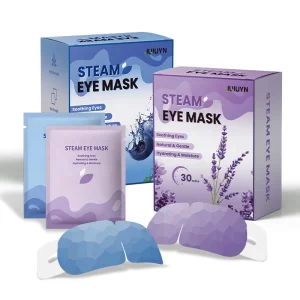
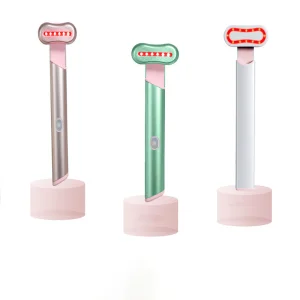
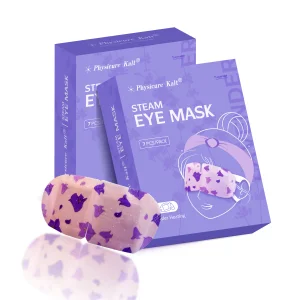
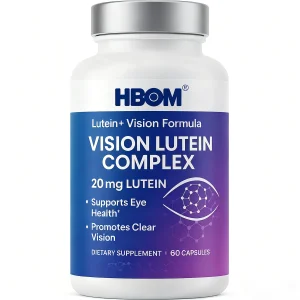
Broadening the product range with optometric hygiene tools, electronic devices, and sub-micron liquid therapies.
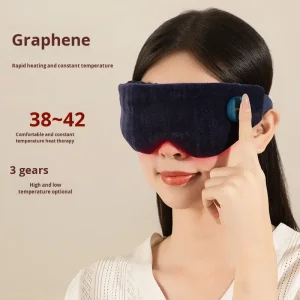
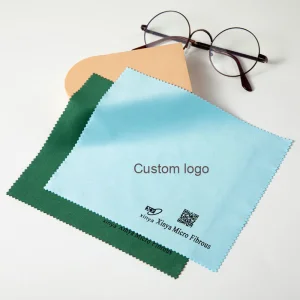
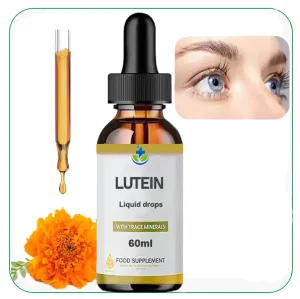
Leading factories are actively investing in R&D to meet the upcoming challenges of eye care and dermal preservation. Over the next five years, the convergence of consumer demand, nanotechnology, and opto-electronics will catalyze rapid development in several core fields:
Next-generation mechanical eye care products will shift away from static heat pads toward bio-mimetic pulse warming. Devices will utilize built-in sensors that monitor eye surface temperature, adjusting warm compress intensities to prevent corneal thermal injury while maximizing oil gland expression.
To increase the efficacy of plant nutrients like blueberry anthocyanins and lutein, factories are researching nanostructured lipid carriers (NLCs). These microscopic carriers wrap volatile active molecules, preserving chemical stability during export shipment and enabling slow release over several hours on the skin surface.
Sustainable sourcing remains an important factor for brands targeting the Pacific Northwest. We are upgrading our packaging materials, shifting from traditional high-density plastics to cornstarch-derived polylactic acid (PLA) substrates and biodegradable hydrogels. This transition directly aligns with global initiatives for carbon reduction and minimal footprint manufacturing.
Critical commercial and technical answers for retail purchasing leads, importers, and brand managers.
 ZenAtti Beauty